
Lombok Diving Course and Weather Conditions
Understanding Lombok Diving Courses and Weather Conditions
Diving in Lombok offers a captivating underwater experience that varies significantly with the changing weather conditions throughout the year. The region’s tropical climate dictates the sea conditions, visibility, and overall diving experience, making it essential to know what to expect at different times. In this article, we’ll cover everything you need to know about diving courses in Lombok and how the weather impacts the dive experience.
Climatic Overview and Seasons
Lombok, located east of Bali, offers a tropical climate with two distinct seasons: the dry season from April to October and the rainy season from November to March. This climatic division heavily influences diving conditions. During the dry season, temperatures average between 27-32°C (81-90°F), providing optimal diving conditions. Conversely, the rainy season brings heavier rainfall and stronger winds, particularly in December and January.
Water Temperature and Visibility for Diving
The water temperature around Lombok remains fairly consistent, averaging between 27-30°C (81-86°F) year-round, making it comfortable for divers without the need for thick wetsuits. However, during the rainy season, cooler currents can occasionally drop temperatures slightly, especially in deeper waters.
Visibility is another crucial factor for diving. During the dry season, visibility can often reach up to 30 meters (approximately 98 feet), offering gorgeous views of coral reefs and marine life. However, during the rainy season, particularly in January, visibility can drop to as low as 5-10 meters (16-33 feet) due to sediment and rainfall runoff.
Best Times for Diving in Lombok
June is one of the best months for diving in Lombok. With pleasant weather conditions, calm seas, and visibility often exceeding 25 meters (82 feet), it provides an ideal setting for both beginners and experienced divers. The strong winds typical of the monsoon season subside, allowing dive operators to run excursions to prime dive sites like the famous Gili Islands.
From April to November, conditions remain favorable, but June stands out as an exceptional month for diving enthusiasts. Prices for PADI courses during this peak season range from $300 to $400 USD (approximately 4.5 to 6 million IDR) for a three-day open water certification course, which includes multiple dives, equipment rental, and training.
Sea Conditions for Diving
Understanding the sea conditions is essential for a safe and enjoyable diving experience. Generally, the best sea conditions for PADI courses occur during the dry season. The wind is milder, and the tides are more predictable, allowing for safer dive trips. However, it’s important to note that the changing tides can affect dive sites. The best times to dive are usually two hours before and after high tide, as these periods offer the calmest waters and the most marine activity.
During the rainy season, the waves can become choppy, and strong currents may develop, particularly on the north coast. While diving is still possible, it’s crucial to check with local dive shops about the current sea conditions. Some divers may prefer to avoid diving right after heavy rains due to poor visibility and potential debris in the water.
Diving After Rain in Lombok
Many divers ponder whether diving is advisable after rain in Lombok. Generally, diving can still occur immediately after light rain, but conditions worsen significantly following heavy downpours. In such cases, visibility can be severely impacted, and dangerous currents may develop. Always consult with local dive shops for the latest updates on sea conditions and visibility before planning a dive.
Monsoon Season Diving in Lombok
Diving during the monsoon season poses unique challenges. While some seasoned divers still venture out, the conditions can be unpredictable. From December to February, strong winds and rain can make certain dive sites unsafe. If you’re contemplating a dive during this season, being flexible with your plans is crucial. Dive operators often have alternate sites in mind that can provide safer conditions.
Nevertheless, diving can still be rewarding during this time, especially if you’re looking for less crowded dive sites. Prices might drop slightly during these months, with PADI courses available for around $250 USD (approximately 3.7 million IDR), as fewer tourists tend to book. However, make sure to have a backup plan for diving locations, as some sites may be inaccessible.
Wind and Tide Considerations for Dive Trips
The conditions of wind and tide are vital for planning dive trips in Lombok. The best sea conditions for diving are typically achieved during low wind days, often occurring from April to September. During this time, the ocean surface is calmer, making access to dive sites like the Gili Islands or the vibrant reefs of Sekotong much easier.
On the other hand, wind speeds exceeding 15 knots can create choppy seas, making certain dive sites unsafe. It’s always advisable to check the local forecasts before heading out. Tides also play a significant role; as mentioned, diving is best two hours before and after high tides. Understanding tide charts is therefore essential for planning successful dive trips.
Frequently Asked Questions
- What is the best season for diving in Lombok? The best season for diving in Lombok is from April to November, particularly in June, which offers optimal visibility and comfortable weather conditions.
- Can you dive after rain in Lombok? Yes, but it’s important to assess the conditions. Light rain should not impact visibility significantly, but heavy rain can cause unsafe diving conditions.
- What is the water temperature like for diving in Lombok? The water temperature averages between 27-30°C (81-86°F) year-round, making it comfortable for divers.
Conclusion
Lombok provides an enriching diving experience, but understanding the weather and sea conditions is essential for a safe and enjoyable adventure. Whether you’re planning to take a PADI course or simply enjoy the underwater wonders, knowing the seasonal patterns will help you make the most of your diving experience. Dive in during the dry season for the best conditions, and don’t hesitate to consult local dive operators for up-to-date information.
Ready to explore the underwater beauty of Lombok? Sign up for a diving course today!
Diving Course Options in Lombok
diving courses in Lombok, aspiring divers have a variety of options tailored to different skill levels. The most popular diving schools include Gili Divers, Dive Zone, and Blue Marlin Dive, all located near the Gili Islands. Each offers courses ranging from beginner to advanced levels.
- Open Water Diver Course: This foundational course typically lasts 3-4 days and costs around $350 USD (5,200,000 IDR). It includes theoretical lessons, confined water training, and open water dives.
- Advanced Open Water Diver Course: For certified divers looking to enhance their skills, this course can be completed in 2 days for approximately $300 USD (4,500,000 IDR). It includes five specialty dives, such as deep diving and navigation.
- Rescue Diver Course: Taking your skills a step further, this course lasts about 3 days and costs around $400 USD (6,000,000 IDR). It focuses on emergency scenarios and rescue techniques.
No matter which course you choose, expect comprehensive instruction from qualified dive instructors, many of whom are multilingual and have extensive experience in Lombok’s waters.
Best Dive Sites in Lombok and Their Seasonal Highlights
Lombok boasts many incredible dive sites, each with unique features that can vary throughout the year. Here are a few must-visit spots:
- Gili Trawangan: Famous for its vibrant coral reefs and diverse marine life, Gili Trawangan is best visited during the dry season (May to September) when visibility can reach up to 30 meters (100 feet).
- Shark Point: An exciting dive site known for its blacktip reef sharks, Shark Point is ideal from April to June, as warmer waters attract more marine life, enhancing the experience.
- Meno Wall: Found between Gili Meno and Gili Trawangan, this site offers stunning wall dives. It is particularly scenic in July and August, with calm seas and an abundance of schools of fish.
- Belongas Bay: For advanced divers, Belongas Bay offers thrilling dive experiences with strong currents and the chance to see larger species like manta rays and turtles. The best time to visit is between October and March when marine life is at its peak.
Practical Tips for Diving in Lombok
Diving in Lombok can be a smooth experience if you prepare adequately. Here are some practical tips:
- Travel Insurance: Always invest in comprehensive travel insurance that covers diving activities. Ensure it includes emergency evacuation and medical coverage.
- Equipment Rental: Most diving schools provide high-quality rental equipment. However, if you have your own gear, bring it along for comfort and familiarity.
- Time Your Dives: Early morning dives often yield the best visibility and marine activity. Plan accordingly to maximize your experience.
- Stay Hydrated and Rested: While island hopping and diving are exhilarating, ensure you take time to rest and hydrate, especially in the warm weather. This helps maintain your energy and focus during dives.
Remember that weather can change rapidly in tropical areas. Always check local forecasts and consult with your dive operator about conditions before heading out.
Conclusion: The Importance of Local Dive Guides
Having a knowledgeable local dive guide greatly enhances the diving experience in Lombok. They know the best sites, seasonal changes, and marine life behaviors. Guides can help you spot unique creatures, which might be missed by the untrained eye. Expect to pay about $50 USD (750,000 IDR) for guided dives, which is worth every penny for the insights they provide.
Explore more from Lombokdivingcourse
Keep Reading
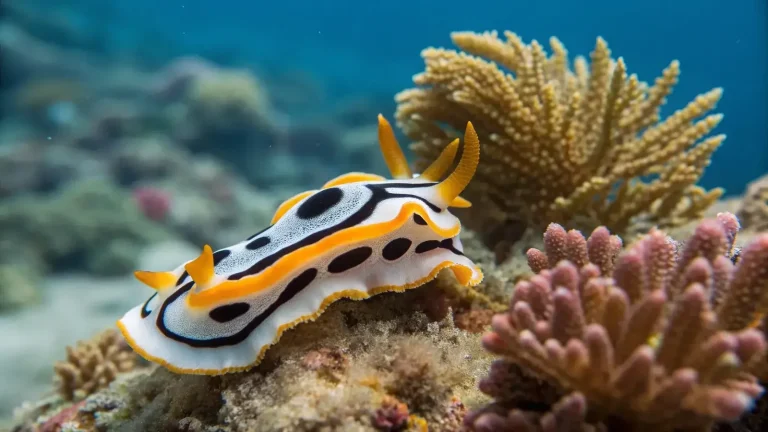
Diving History Lombok 2027: A Journey Through Time and Innovation
Lombok’s diving history in 2027 is a rich of innovation and tradition, showcasing significant developments in diving techniques and environmental awareness. The…
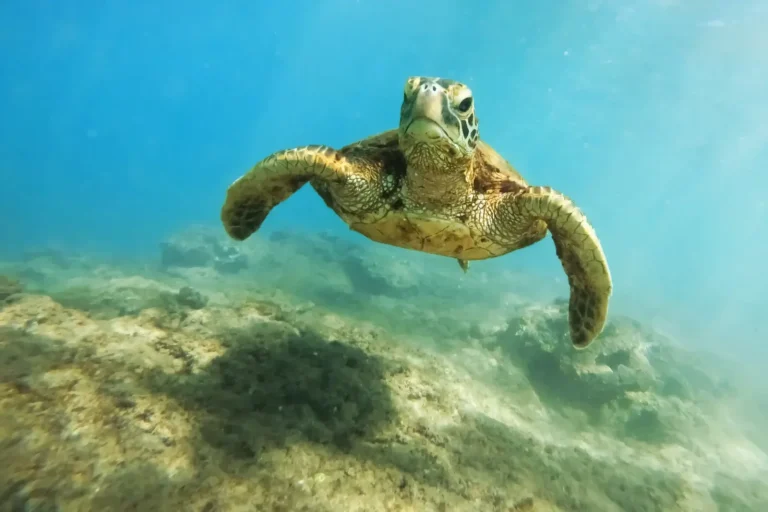
Exploring Lombok’s Underwater Ecosystems in 2027: A Diver’s Guide
In 2027, divers can explore Lombok’s underwater ecosystems teeming with diverse marine life and vibrant aquatic habitats. From coral reefs to unique…
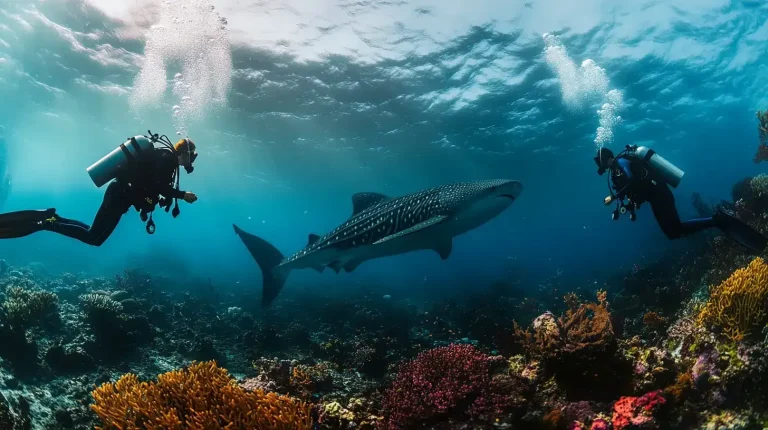
Understanding Lombok’s Ocean Currents for Divers in 2027
In 2027, understanding Lombok’s ocean currents is crucial for safe and enjoyable diving experiences. These currents influence dive conditions and marine life…