Skip to content

Best Time to Dive Lombok: Season, Visibility, Marine Life Guide


Best Time to Dive Lombok: Season, Visibility, Marine Life Guide


The Definitive Guide to the Best Season for Your Lombok Diving Course

Best Time to Dive Lombok: Season, Visibility, Marine Life Guide

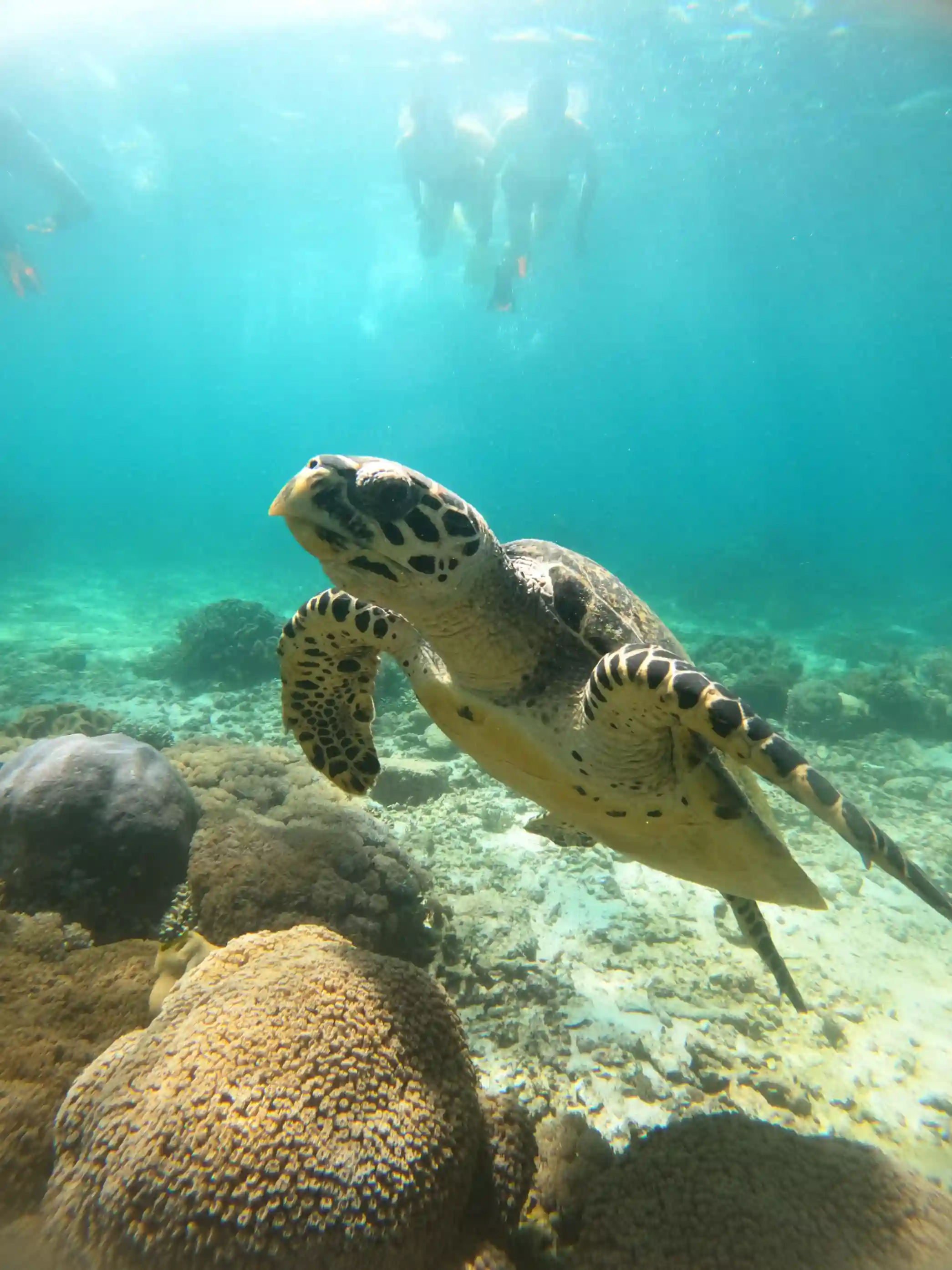
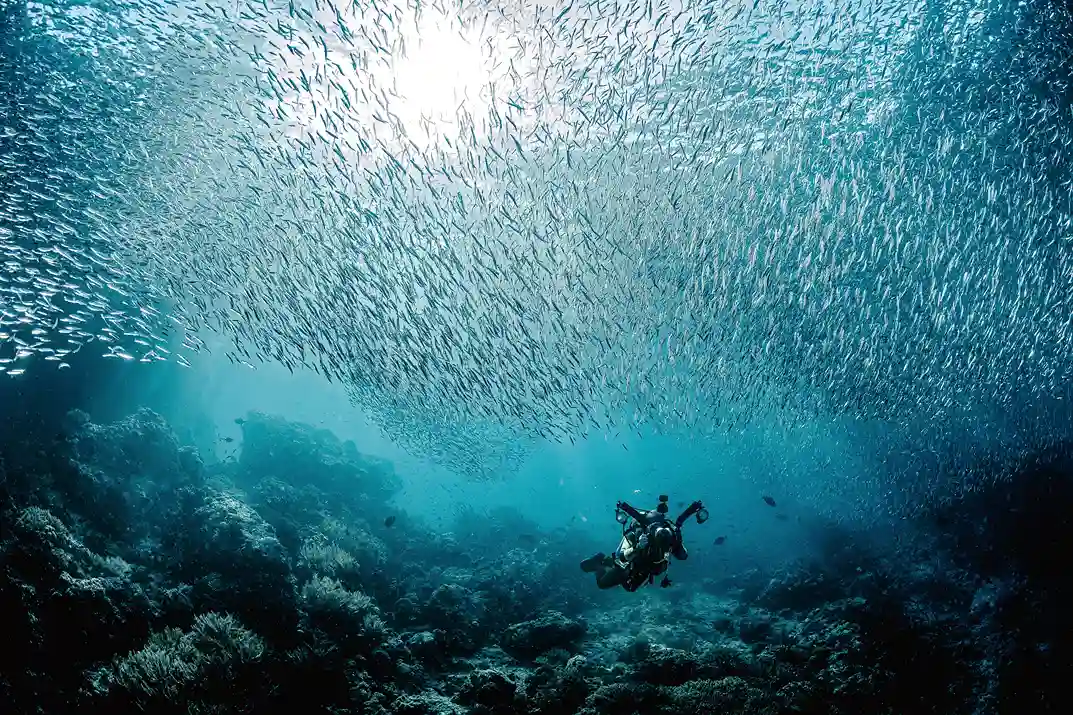
The first breath underwater is a quiet revelation. The world contracts to the rhythmic hiss of your regulator and the vast, blue silence of the Lombok Strait. A green sea turtle, ancient and unperturbed, glides a few meters away, its shell a mosaic of deep greens and ambers. This is the moment many come for, the reason to invest in a proper PADI certification. But the quality of that moment—the clarity of the water, the richness of the marine life, the comfort of the dive—is entirely dependent on timing. Choosing when to book your lombok diving course is the most critical decision you will make after choosing to learn at all.

The question is not simply if you can dive, but when you should. The Gili Islands—Trawangan, Meno, and Air—are diveable year-round, a fact that can be misleading. The subtle shifts in monsoon winds, water temperature, and plankton blooms dictate everything from 25-meter visibility to encounters with schooling bumphead parrotfish. An investment of over $400 USD and four days of your time for a PADI Open Water Lombok certification deserves optimal conditions. This guide moves beyond generalities to provide a strategic, month-by-month analysis for planning your dive education, ensuring your logbook starts with entries worth remembering.

Decoding Lombok’s Dive Seasons: The Dry and Wet Divide

The primary climatic influence on the Gili Islands is the monsoon. Unlike a dramatic weather event, this is a predictable, large-scale shift in wind and precipitation patterns that divides the year into two distinct periods. Understanding this binary system is the foundation for planning any gili diving course. The islands sit in the Lombok Strait, a deep channel between Bali and Lombok that acts as a major conduit for the Indonesian Throughflow, a current that funnels water from the Pacific to the Indian Ocean. This constant flow, averaging a transport of 15 million cubic meters of water per second, ensures the islands are consistently flushed with nutrient-rich water, but surface conditions are dictated by the seasons.

The Dry Season (approximately May to October) is governed by the southeast monsoon. Winds blow from the southeast, bringing arid air from the Australian continent. This results in minimal rainfall, calm sea surfaces, and consistently sunny days. For divers, this is the classic postcard season. Water temperatures are stable, hovering between 27°C and 29°C (81°F – 84°F). Visibility is often at its peak, frequently exceeding 20 meters and on exceptional days, pushing towards 30 meters. This period, particularly from June through September, is considered the high season for tourism and diving. The stable conditions are ideal for beginners undertaking their lombok dive certification, as training dives at sites like Halik Reef or Meno Wall are rarely cancelled due to weather.

The Wet Season (approximately November to April) arrives with the northwest monsoon. Winds shift, pulling moisture from the Asian landmass and the South China Sea. This period is characterized by higher humidity, overcast skies, and intermittent rainfall. The term “wet season” can be a deterrent, but it’s important to contextualize. Rain typically falls in short, intense bursts, often in the late afternoon or evening, leaving much of the day clear. The significant impact for divers is not the rain itself, but the potential for surface runoff from Lombok, which can temporarily reduce visibility to the 10-15 meter range. Water temperatures may dip slightly to 26°C-28°C (79°F – 82°F). However, this season brings its own advantages: fewer divers, lower accommodation prices, and a change in marine life behavior, with some species becoming more active.

Peak Season Analysis (June – September): Conditions, Crowds, and Costs

The period from June to September represents the zenith of the dry season and the peak for tourism in the Gili Islands. The allure is undeniable: near-constant sunshine, placid seas, and water visibility that can feel limitless. For anyone planning a lombok diving course, this season offers the most reliable and comfortable conditions for learning. The PADI Open Water Diver course involves skills performed in shallow, calm water, and the dry season guarantees these environments at sites like the Bio-Rock installations off Gili Trawangan.

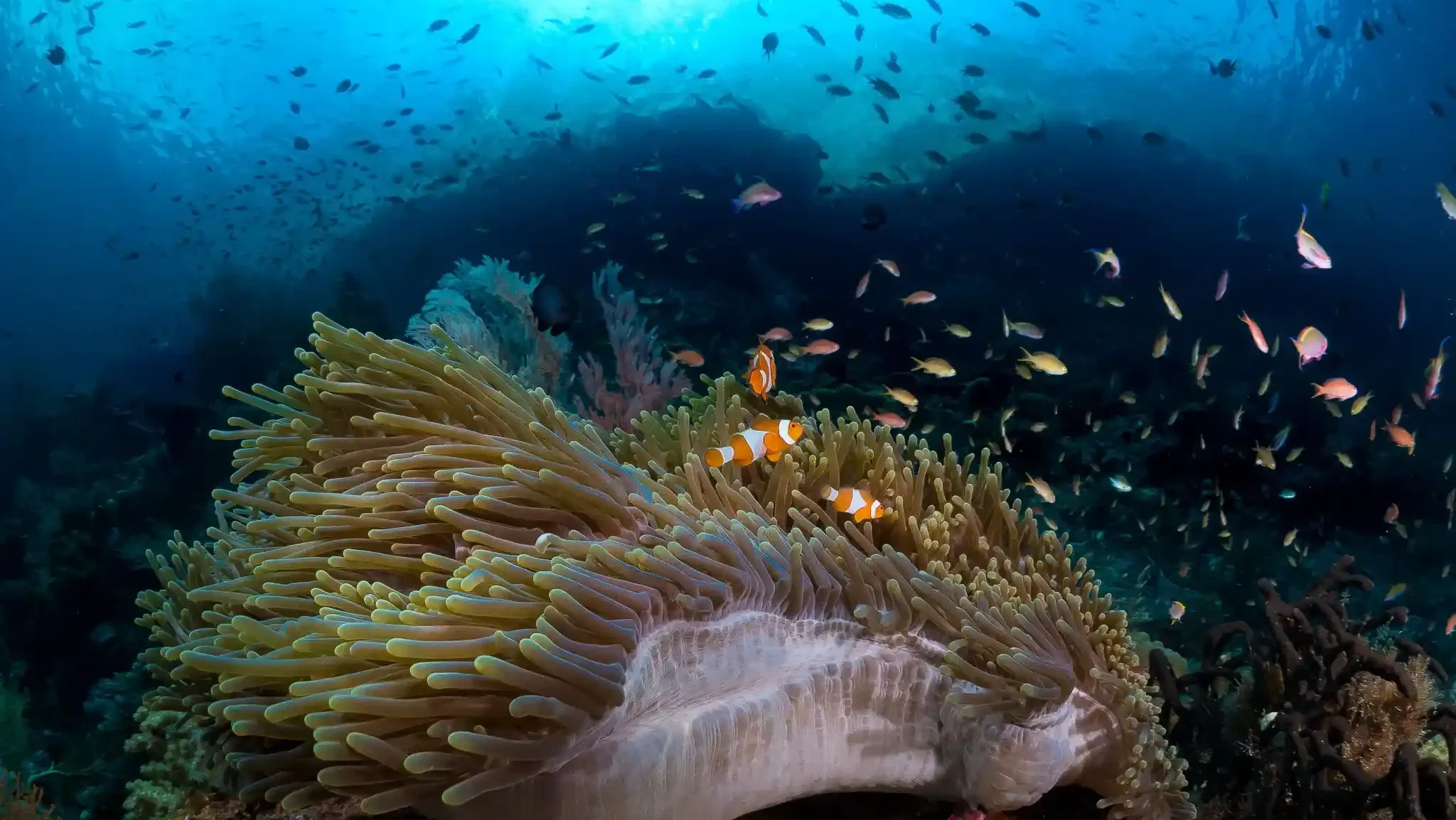
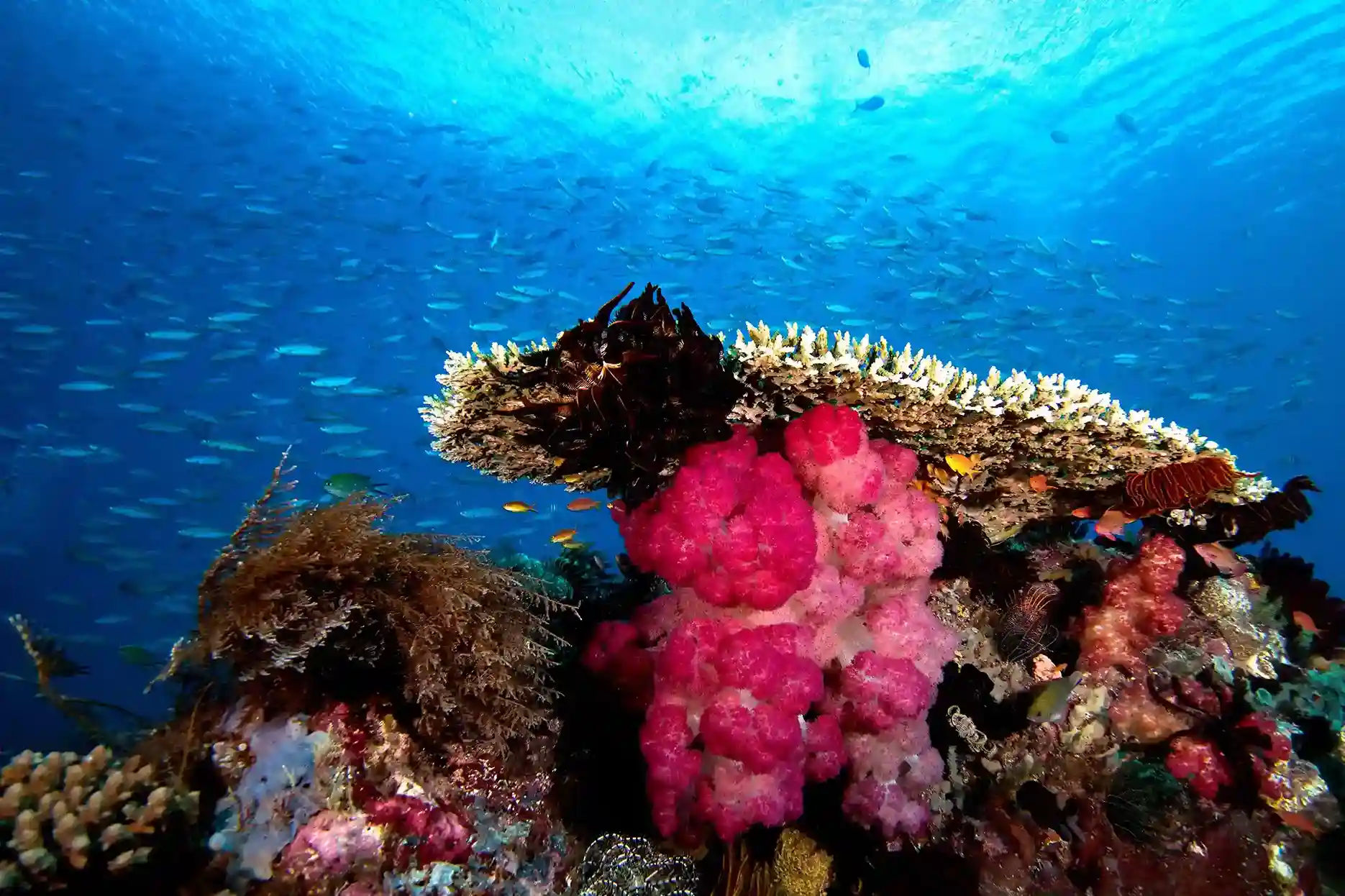
The underwater environment is at its most vibrant. At dive sites like Shark Point, divers can expect visibility of 25 meters or more, revealing whitetip and blacktip reef sharks patrolling the deeper slopes around 22 meters. It’s also the prime time for turtle encounters. Both green sea turtles (*Chelonia mydas*) and hawksbill turtles (*Eretmochelys imbricata*) are exceptionally common, with dive sites like Turtle Heaven off Gili Meno living up to their name. The water is a comfortable 28°C, allowing for long, relaxed dives in a 3mm shorty wetsuit. This predictability is precisely why dive centers are at their busiest. A PADI Gili Trawangan course will likely have a full class, which can be a social positive for some students but a drawback for those seeking more personalized instruction.

This popularity comes with logistical and financial considerations.

  • Accommodation: Prices on all three Gili Islands can increase by 20-40% compared to the low season. A bungalow that costs $50 USD per night in March might be priced at $70-80 USD in August.
  • Crowds: Dive sites can be busy, with multiple boats mooring at popular locations. While dive schools manage this well, you will be sharing the reef with other groups.
  • Booking in Advance: It is essential to book your lombok diving course and accommodation well in advance, especially if traveling in July and August, which aligns with European summer holidays. Spontaneity is not a viable strategy during these months.

For many, the trade-off is worthwhile. The guarantee of excellent weather and underwater conditions provides a stable and confidence-inspiring platform for earning a lombok dive certification.

The Shoulder Season Strategy (April-May & October-November): A Diver’s Equilibrium

For the discerning diver, the shoulder seasons of April-May and October-November represent the optimal confluence of conditions, cost, and comfort. These months are transitional periods between the wet and dry monsoons, offering the best of both worlds. The large crowds of peak season have either not yet arrived or have already departed, yet the weather often mirrors the best days of the dry season. See also: explore Contact.

In April and May, the winds have shifted, the rains have largely subsided, and the islands are lush and green from the preceding wet season. Water visibility begins to clear dramatically, consistently hitting the 20-25 meter mark. As noted by senior PADI instructor Heryanto “Hery” Susanto, “May is perhaps the best single month for diving the Gilis. The water is clear, the temperature is a perfect 28°C, and the dive sites are quiet. We have time for longer briefings and more relaxed dives.” This period can also coincide with coral spawning events, typically occurring a few nights after the full moon, when the reefs release their gametes in a spectacular underwater display. It’s a phenomenal time to be completing the naturalist dives of a PADI Advanced Open Water course.

Similarly, October and November provide a window of excellent diving before the wet season fully sets in. The water is still warm and clear, and the summer crowds are a distant memory. This is a strategic time to find value. A PADI Open Water Diver course, which might cost around $425 USD in August, could be part of a package deal with accommodation in October. The atmosphere on the islands is more relaxed, allowing for a more focused learning experience. For those looking to complete a gili diving course without the distractions and higher prices of peak season, these months are the informed choice. The risk of an occasional rain shower is a small price for the reward of having a site like the Gili Meno Wall almost to yourself.

Navigating the Wet Season (December – March): A Quieter, Greener Dive Experience

The wet season in the Gili Islands carries a reputation that is often harsher than the reality. While rainfall is more frequent, it rarely disrupts diving operations for an entire day. A typical pattern involves a clear morning, followed by a buildup of clouds and a heavy downpour in the afternoon for an hour or two. Morning dives, when most PADI course training occurs, are seldom affected. The primary consideration is visibility. Runoff from the main island of Lombok can introduce sediment into the water, sometimes reducing visibility to 10-15 meters. However, between rain events, it can clear up to a respectable 15-20 meters. See also: Padi Open Water Course pricing.

This season holds a unique appeal for certain divers. The reduction in tourism means dive groups are smaller, often resulting in semi-private or private instruction for the standard price of a group lombok diving course. This one-on-one attention can significantly accelerate a student’s learning curve and comfort in the water. The surface of the water can be choppier due to the northwest winds, which is a consideration for those prone to seasickness, but the boat rides to the 25+ dive sites around the Gilis are short, typically 5 to 15 minutes.

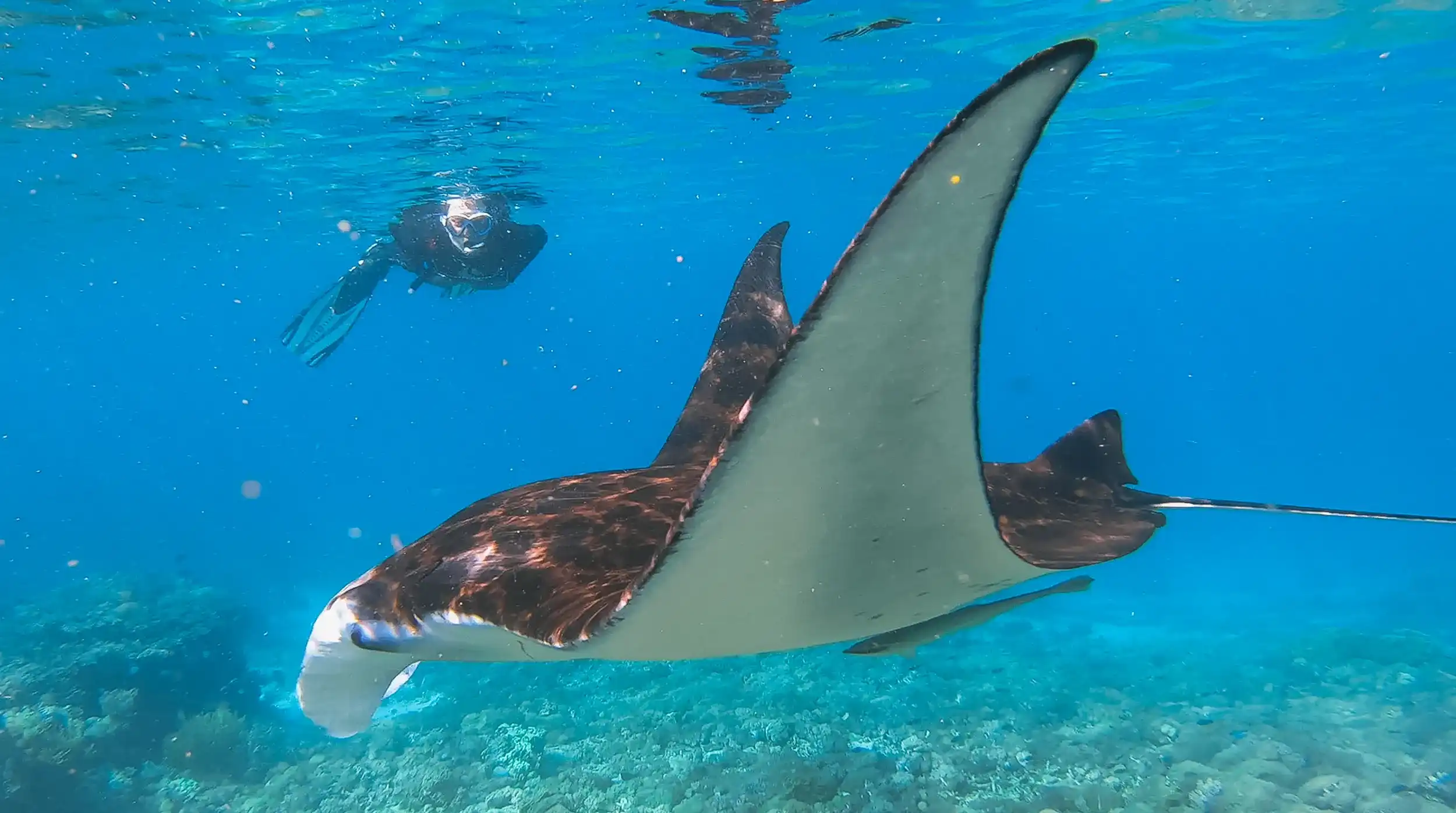
Furthermore, the change in water properties can lead to different marine life encounters. The slightly cooler, more nutrient-rich water attracts different species. While the Gilis are not a primary destination for manta rays (*Manta alfredi*), sightings increase in the broader Lombok area during this time. For macro photographers, the reduced visibility encourages a closer focus on the reef, revealing a world of nudibranchs, frogfish, and ornate ghost pipefish that might be overlooked when visibility is vast. For a budget-conscious student looking to get their padi open water lombok certification with focused instruction, the wet season is a perfectly viable and strategic option.

A Month-by-Month Marine Life Calendar for the Gili Islands

Timing your lombok diving course can be aligned with the marine life you are most interested in seeing. While turtles and reef sharks are present year-round, their prevalence and the activity of other species fluctuate with the seasons.

Months Key Marine Life & Events Avg. Water Temp Avg. Visibility
January – March Peak season for macro life (nudibranchs, pipefish). Green turtles can be seen nesting on the beaches at night. Good chance of seeing eagle rays. 26-28°C 10-20m
April – May Visibility rapidly improves. Potential for coral spawning after the full moon. Cuttlefish mating season; high activity at sites like Simon’s Reef. 27-29°C 15-25m
June – September Peak turtle season (both Green and Hawksbill). Large schools of bumphead parrotfish at sunrise dives at Bounty Wreck. High numbers of reef sharks at Shark Point. 27-29°C 20-30m+
October – December Excellent visibility continues. Plankton blooms begin, attracting more filter feeders. Schooling trevally and fusiliers are abundant. Manta season begins to peak in South Lombok, with occasional sightings in the Gilis. 26-28°C 15-25m

Choosing Your Island: Gili Trawangan, Meno, and Air for PADI Certification

Each of the three Gili Islands offers a distinct atmosphere, which can influence the character of your lombok dive certification experience. All islands access the same portfolio of approximately 25 dive sites, so the choice is more about your surface-interval lifestyle and learning preference.

Island Vibe & Atmosphere Ideal For Dive School Environment
Gili Trawangan Vibrant, social, and energetic. The largest and most developed island with the most restaurants, bars, and nightlife. Solo travelers, students, and groups looking for a lively social scene alongside their diving. A wide selection of large, busy dive centers. Courses like PADI Gili Trawangan often have a fun, communal feel with group sizes of 4-6 students.
Gili Meno Quiet, secluded, and romantic. Minimal development, with a focus on tranquility and nature. Often called the “honeymoon island.” Couples, families, or individuals seeking a peaceful, focused learning environment away from any distractions. Fewer, smaller dive operations. The experience is more intimate, with a high likelihood of very small class sizes for your gili diving course.
Gili Air A sophisticated balance of the other two. Offers a good selection of quality restaurants and chic beach bars but maintains a relaxed, bohemian feel. Couples, solo travelers, and digital nomads who want social options without the party intensity of Trawangan. A healthy mix of dive center sizes. The atmosphere is professional yet laid-back, blending social opportunities with serious instruction.

Planning Your Lombok Diving Course: Logistics and Action Items

You have determined the best season for your priorities and the right island for your style. The final step is to take action. A PADI Open Water Diver course is a significant commitment, typically spanning 3 to 4 days and costing between $395 and $450 USD. The PADI Advanced Open Water course takes 2 days and costs approximately $350-$400 USD. These prices are generally inclusive of equipment rental, certification fees, and dive logbooks. See also: explore Home.

Here are your action items:

  • Select Your Dates: Use the seasonal guide above to select a two-week window that aligns with your diving goals and tolerance for crowds and cost.
  • Contact a Reputable Dive Center: Reach out to a PADI 5-Star facility to inquire about course availability for your chosen dates. Discuss class sizes and ask about the possibility of completing the theory portion online via PADI eLearning to maximize your in-water time.
  • Book Flights and Ferries: Fly into Lombok International Airport (LOP) or fly to Bali (DPS) and take a 90-minute fast boat from Padang Bai harbor directly to the Gili Islands. Book these in advance, especially during high season.
  • Arrange Accommodation: Secure your lodging on your chosen island. Your dive center can often recommend partner hotels or bungalows.

Completing your lombok diving course in the Gili Islands is an investment in a skill that opens up seventy percent of the planet. By planning strategically around the seasons, you ensure that your first entries in your dive log are not just about skills completed, but about the clear, calm, and vibrant underwater world you came to see. To discuss your specific dates and begin planning your certification, contact our dive planning specialists.

Lombok Diving Course PADI
Phone: 0811-3941-4563
Email: bd@juaraholding.com
Office: Jalan Sunset Road No. 88, Kuta, Badung, Bali 80361


Related: Lombok Diving Course PADI.