Skip to content

Lombok vs Bali Diving: Cost, Marine Life, Operators Comparison


Lombok Diving Course: Gili Islands vs Bali PADI Certification | Lombok Diving Course PADI


The Definitive Lombok Diving Course: Why the Gilis Outperform Bali for PADI Certification

Lombok vs Bali Diving: Cost, Marine Life, Operators Comparison

The choice materializes somewhere between the thrum of a scooter in Canggu and the chime of a bicycle bell on Gili Air. For the aspiring diver, Indonesia presents a paradox of plenty. Two islands, Bali and Lombok, separated by a mere 35 kilometers of strait, offer competing visions of a diver’s education. Bali, the established titan, pulses with energy and a reputation burnished over decades. Lombok, and its satellite Gili Islands, offers a quieter, more focused proposition. The decision of where to invest your time and money for a PADI certification is not trivial; it defines the very character of your entry into the underwater world. It dictates whether your first breaths beneath the surface are in challenging currents chasing seasonal giants or in calm, turquoise water alongside resident sea turtles. See also: explore Contact.

This is not a simple question of which is “better,” but which is strategically superior for the specific, formative experience of a PADI Open Water or Advanced course. We will dissect the financial implications, the ecological promises, the logistical realities, and the operational standards of both locales. The goal is to move beyond brochure descriptions and provide a clear, data-driven framework for making a decision that will resonate through your future as a certified diver. For those seeking the most conducive environment for skill acquisition and marine immersion, the evidence points decisively eastward, toward the Gili Islands. A proper lombok diving course is an exercise in focus, and the Gilis are its ideal classroom.

The Financial Calculus: A Cost Comparison of PADI Courses

The primary investment in your certification is, of course, the course fee. However, a comprehensive financial analysis must extend to the ancillary costs that shape your budget: accommodation, daily expenses, and transfers. While Bali may present a wider spectrum of options, the Gili Islands consistently offer superior value, particularly for a multi-day course commitment. See also: Padi Open Water Course.

A PADI Open Water course in Bali, whether in the Tulamben area or operating out of Sanur to Nusa Penida, typically ranges from $380 to $500 USD. The price is often influenced by the logistics involved; a trip to see the Manta Rays at Nusa Penida, for instance, requires a significant boat journey and fuel costs, which are passed on to the student. In contrast, a gili diving course on Trawangan or Air for the same PADI Open Water certification averages between $350 and $430 USD. The key difference lies in proximity. Dive sites in the Gilis are, on average, a 7 to 15-minute boat ride from the dive center, drastically reducing operational overhead.

Beyond the course itself, the cost of living during your training is a critical factor. A mid-range hotel room in Bali’s southern tourist hubs like Seminyak or Canggu can command $60-$90 USD per night. A comparable, clean, and comfortable bungalow on Gili Air or Gili Trawangan can be secured for $35-$55 USD. This daily saving of $25-$35 over a 3-4 day course period accumulates, effectively subsidizing your training. The fast boat transfer from Padang Bai in Bali to the Gili Islands, a 90-minute journey, costs approximately $25-$40 USD each way, a fixed cost that is quickly offset by the lower daily expenditures on the islands. See also: see Lombok Diving Course PADI’s Home.

Comparative Cost Analysis: PADI Certification (USD)
Expense Category Bali (Nusa Penida / Tulamben) Lombok (Gili Islands)
PADI Open Water Course $380 – $500 $350 – $430
PADI Advanced Open Water Course $350 – $480 $330 – $400
Mid-Range Accommodation (per night) $60 – $90 $35 – $55
Daily Food & Drink Budget $30 – $50 $25 – $40
Local Transport (daily) $10 – $20 (scooter/taxi) $0 – $5 (walk/bicycle)

The absence of motorized traffic on the Gilis eliminates daily transport costs, further tipping the financial scales. The choice to pursue a lombok dive certification is not just an ecological one, but a fiscally prudent one.

Marine Biodiversity: What You Will Actually See Underwater

The allure of diving is intrinsically tied to marine encounters. Here, the distinction between Bali and Lombok becomes one of reliability versus rarity. Bali’s dive marketing often hinges on its “big ticket” species: the oceanic sunfish (Mola alexandrini) at Crystal Bay and the reef manta rays (Mobula alfredi) at Manta Point, both off Nusa Penida. These are magnificent, humbling encounters. They are also highly seasonal and conditional. Mola season is primarily from August to October, and strong, unpredictable currents can make these sites inaccessible or unsuitable for novice divers. The USAT Liberty Wreck in Tulamben is a world-renowned site, but it’s a 3-hour drive from the southern tourist centers. See also: see Lombok Diving Course PADI’s About.

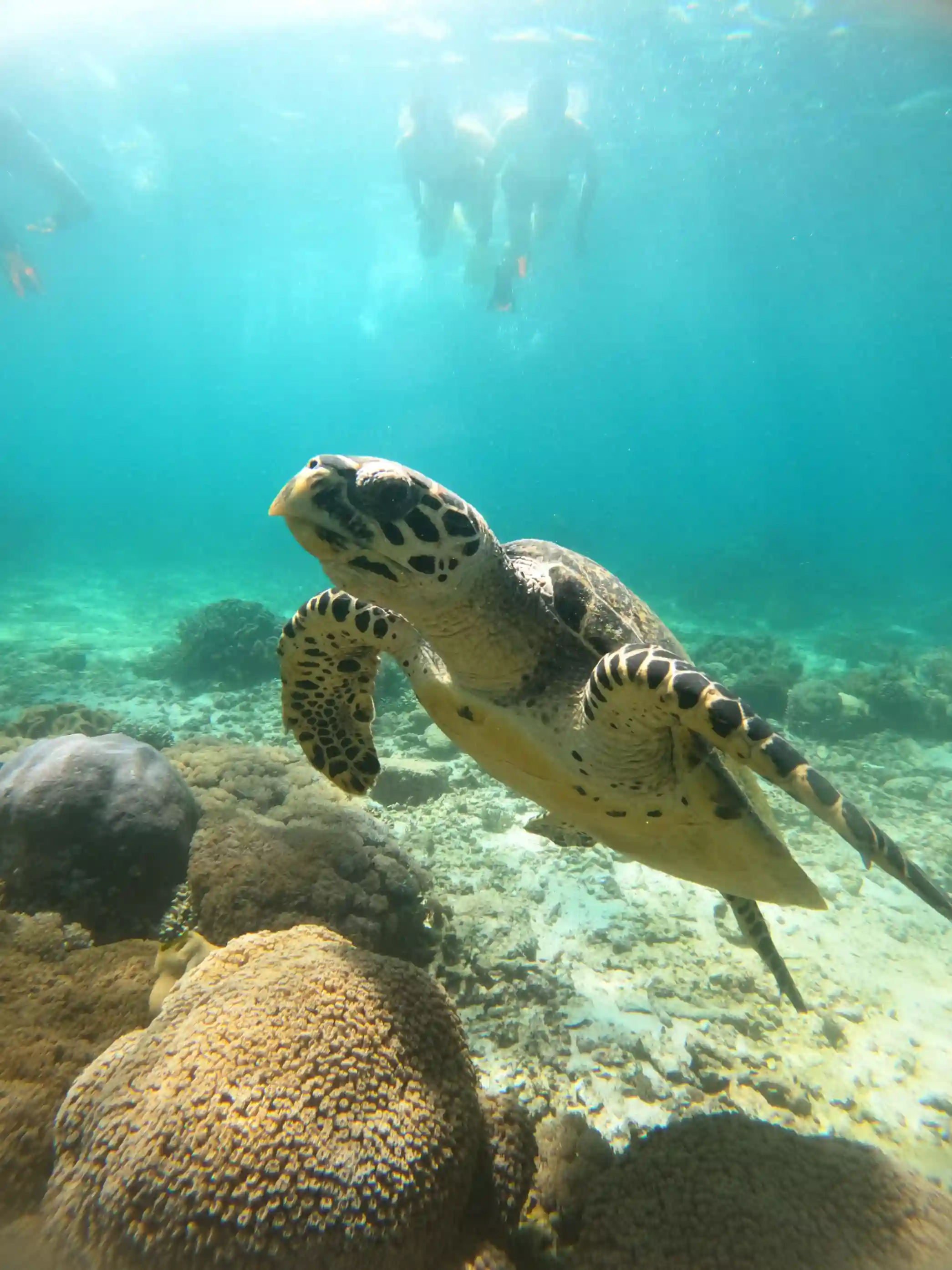
The Gili Islands, in contrast, offer a near-guarantee of encountering specific, charismatic megafauna, particularly sea turtles. The density of both Green (Chelonia mydas) and Hawksbill (Eretmochelys imbricata) turtles around the three Gili Islands is among the highest in Indonesia. It is not a question of *if* you will see a turtle during your padi gili trawangan course, but how many. Dive sites like Turtle Heaven and Shark Point live up to their names. According to Dr. Anya Sharma, a marine biologist who has studied the Coral Triangle for over 15 years, “The Gili Islands act as a critical aggregation point for sea turtles due to the confluence of currents and abundant seagrass. For a student diver, this consistent interaction builds comfort and awe in a way that a fleeting glimpse of a larger pelagic cannot.”

Beyond turtles, the Gilis provide a healthier and more accessible reef system for training.

  • Reef Sharks: Whitetip and Blacktip reef sharks are common patroling the slopes of sites like Halik and Simon’s Reef.
  • Macro Life: While Bali’s Seraya Secrets is a macro haven, the Gilis offer abundant nudibranchs, frogfish, and ornate ghost pipefish for those with a keen eye.
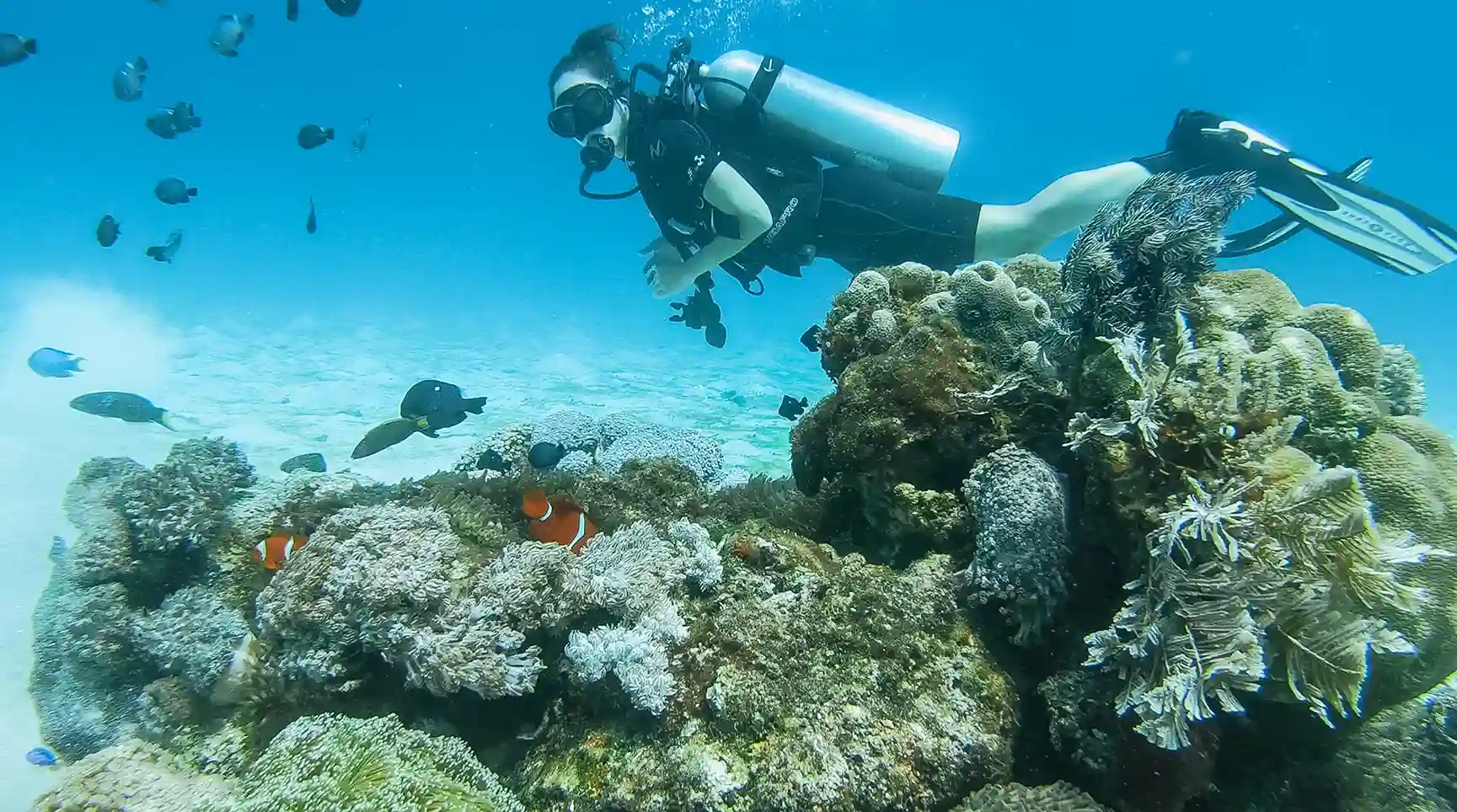
  • Coral Health: Following a bleaching event in 2016, significant recovery and active restoration projects like the Gili Eco Trust’s Biorock structures have revitalized the reefs, offering vibrant coral gardens in the 5-15 meter depth range perfect for Open Water training. Water temperatures remain a consistent 27-29°C year-round with visibility typically in the 15-25 meter range.

For a diver undergoing certification, the pedagogical value of consistent, calm, and rich marine encounters cannot be overstated. The Gilis deliver this with unparalleled reliability.

The Learning Environment: Course Logistics and Conditions

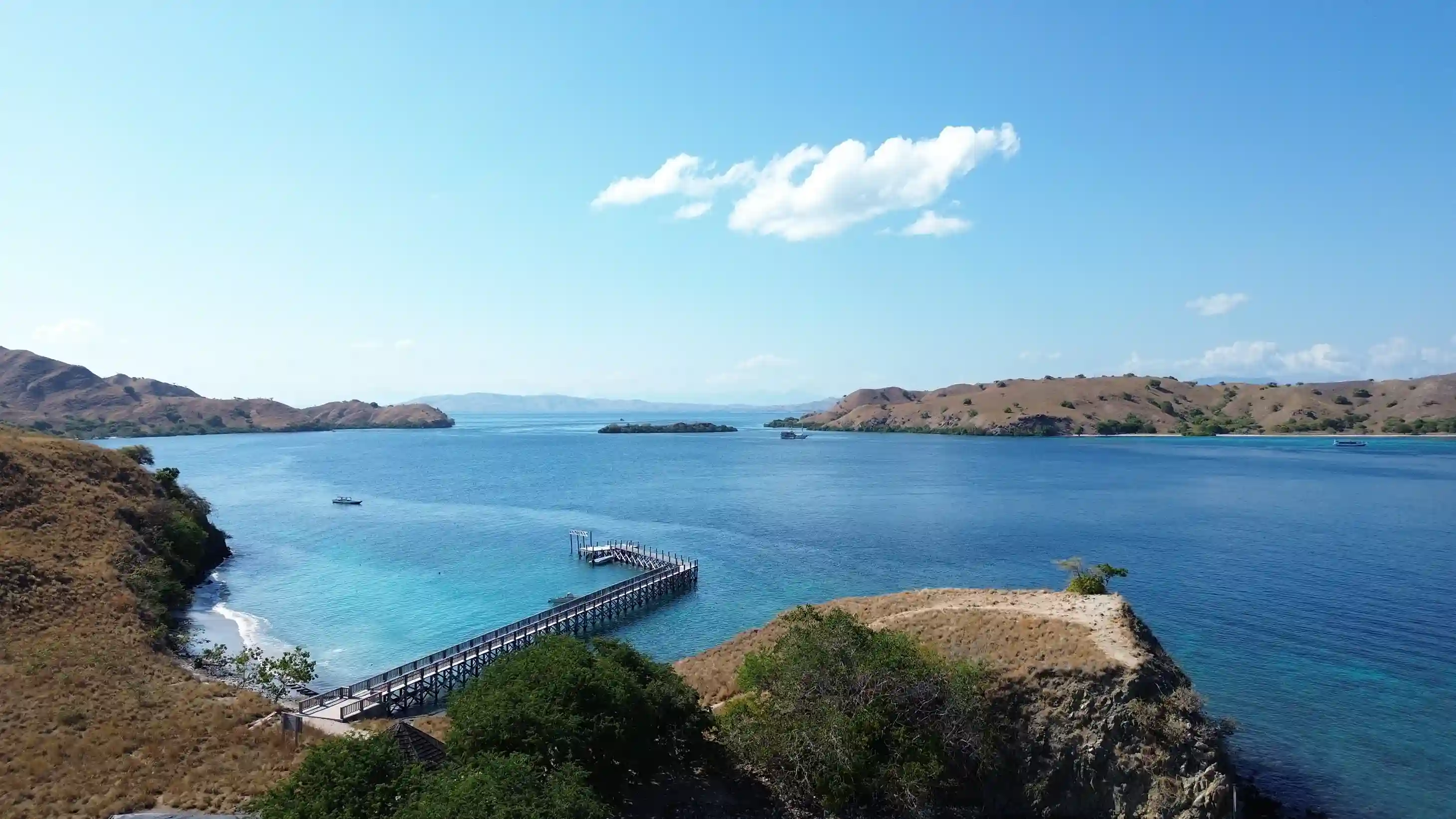
The physical environment in which you learn to dive profoundly impacts skill acquisition and confidence. The Gili Islands are, almost by design, a superior natural classroom for scuba instruction. The majority of the premier training sites are located in a protected lee, sheltered from the strong oceanic currents that flow through the Lombok Strait. This results in calm, predictable conditions ideal for mastering fundamental skills like buoyancy control, mask clearing, and emergency procedures.

A typical day on a padi open water lombok course involves a short 5-minute boat ride to a shallow, sandy-bottomed training area. There is no time wasted in transit. Contrast this with a Bali-based operation running trips to Nusa Penida. The day begins with an hour-long car ride to a port, followed by a 45-minute, often choppy, boat crossing before even reaching the dive area. These long transit times eat into the day, creating a more rushed and potentially fatiguing experience. Furthermore, the currents around Nusa Penida and the Gili islands to the south of Lombok, such as Belongas Bay, can be formidable, sometimes exceeding 4 knots. While thrilling for experienced divers, these are challenging and potentially hazardous conditions for someone learning to manage their equipment and breathing for the first time.

The very topography of the islands supports a better learning model.

  • Proximity: With over 25 dive sites circling the three islands, there is always a calm, suitable location regardless of the day’s conditions.
  • Pacing: The relaxed, no-car island rhythm translates to the dive schools. Courses are paced for comprehension, not to a boat schedule dictated by long-distance travel.
  • Atmosphere: Learning on Gili Air or Meno offers a tranquil focus, while a gili diving course on Trawangan provides a more social, energetic backdrop. The choice is yours, but the core benefit of a calm, accessible underwater classroom remains.

This logistical ease and environmental suitability reduce student anxiety and create a more positive, effective, and safer learning experience, a cornerstone of any reputable lombok diving course.

Choosing Your Dive Operator: Vetting a PADI 5-Star Center

The quality of your instruction is the most critical variable in your dive education. Both Bali and Lombok host a multitude of dive centers, but the designation “PADI 5-Star Instructor Development Center (IDC)” is the highest rating, indicating a commitment to professional training, safety, and community involvement. When selecting an operator, look beyond the price tag.

At Lombok Diving Course PADI, our philosophy is built on a foundation of small-group, personalized instruction. We maintain a strict maximum ratio of four students to one PADI Instructor. This ensures every student receives individual attention, feedback, and support. Our instructional team consists of seasoned professionals, many of whom are PADI Master Instructors with over 5,000 logged dives across global dive destinations. Their experience is your asset.

Key criteria for vetting any dive center should include:

  • Instructor Experience: Ask about the tenure and certification level of your instructor.
  • Equipment Quality: Inspect the gear. We use regularly serviced equipment from leading brands like Scubapro and Aqualung.
  • Safety Protocols: A professional center will have emergency oxygen on every boat, a clear Emergency Action Plan, and a strong affiliation with local hyperbaric facilities (the nearest chamber is in Mataram, Lombok, reachable within 90 minutes).
  • Transparency: All costs should be upfront, with no hidden fees for equipment rental, certification materials, or marine park taxes.

While many excellent operators exist in Bali, the concentrated, competitive, and collaborative nature of the dive community on the Gili Islands has fostered a very high standard. A premier lombok dive certification is not just a transaction; it’s an entry into a global community, and the quality of your guide matters immensely.

Beyond the Dive: The Après-Dive Experience in the Gilis vs. Bali

Your time out of the water is as much a part of the experience as your time in it. The lifestyle contrast between Bali and the Gili Islands is stark. Bali is an island of immense diversity; you can find high-fashion boutiques in Seminyak, world-class surf breaks in Uluwatu, and spiritual retreats in Ubud. It is a large, complex, and motorized island. The après-dive scene might involve navigating traffic to a celebrated restaurant or a high-energy beach club.

The Gili Islands offer a distilled, focused version of island life. The absence of cars and motorbikes creates an immediate sense of decompression. Life moves at the speed of a bicycle or a horse-drawn cart (a cidomo). The post-dive ritual is simpler, more immediate. It might be a Bintang beer, costing around $2 USD, at a beachfront bar watching the sunset over Bali’s Mount Agung. It could be a $10 USD yoga class at one of the many studios on Gili Air. Or it could be a quiet dinner of fresh-grilled snapper on the beach. This environment fosters a strong sense of community among divers. You see the same faces at the dive shop, the local warung, and the sunset point, sharing stories and building connections. This camaraderie is an invaluable part of the learning journey, especially for solo travelers undertaking a gili diving course.

The Verdict: A Synthesis for the Aspiring Diver

The choice is clear. While Bali offers a sprawling, multifaceted holiday with diving as one of many components, the Gili Islands provide a superior, purpose-built environment for learning to dive. For the aspiring PADI-certified diver, the Gilis represent a more logical, efficient, and ultimately more rewarding choice.

The synthesis is this: for a more cost-effective PADI course, for calmer and more predictable training conditions, for the unparalleled reliability of turtle encounters, and for a focused, immersive learning environment, a lombok diving course in the Gili Islands is the discerning choice. Bali remains an exceptional destination for the experienced diver on a mission for specific, challenging encounters. But for the foundational experience of your Open Water or Advanced certification, the calm, clear waters of the Gilis are the perfect beginning.

Your Action Items:

  • Start Online: Register for PADI eLearning to complete the theory portion of your course at your own pace before you arrive, maximizing your in-water time.
  • Verify Insurance: Confirm your travel insurance policy explicitly covers scuba diving to a depth of 18 meters for Open Water or 30 meters for Advanced.
  • Consult a Professional: The best way to prepare is to speak directly with an instructor. Discuss your comfort level in the water, any anxieties you may have, and your personal goals.

Begin Your PADI Certification with Lombok Diving Course PADI

Your entry into the underwater world should be guided by expertise, safety, and a genuine passion for the ocean. At Lombok Diving Course PADI, we provide a premium, small-group training experience in the ideal conditions of the Gili Islands. Contact our dive professionals to plan your padi open water lombok certification today.

Brand: Lombok Diving Course PADI

Phone: 0811-3941-4563

Email: bd@juaraholding.com

Office Address: Jalan Sunset Road No. 88, Kuta, Badung, Bali 80361 (Administrative Office)

Inquire About Your Course Now