
Understanding Sustainable Diving
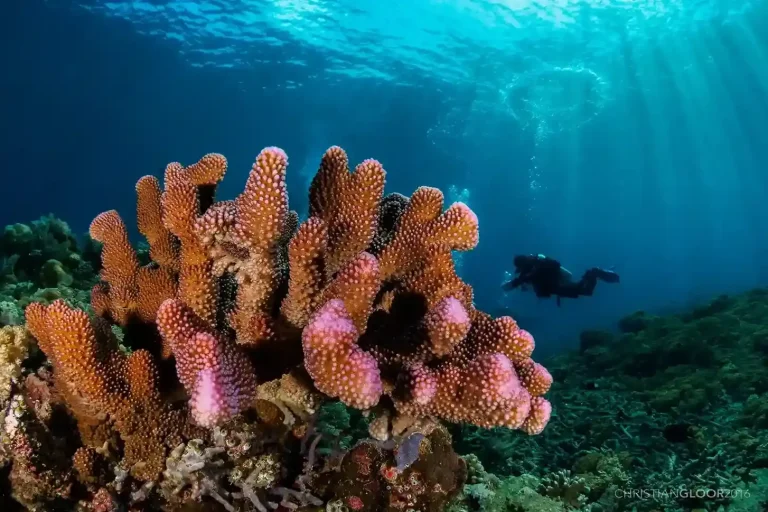
Sustainable diving is an approach that prioritizes the health of marine ecosystems while allowing divers to connect with underwater environments responsibly. In Lombok, this means engaging in eco-friendly diving practices, supporting marine conservation, and choosing dive centers committed to protecting fragile reef systems.
The Importance of Sustainable Diving in Lombok
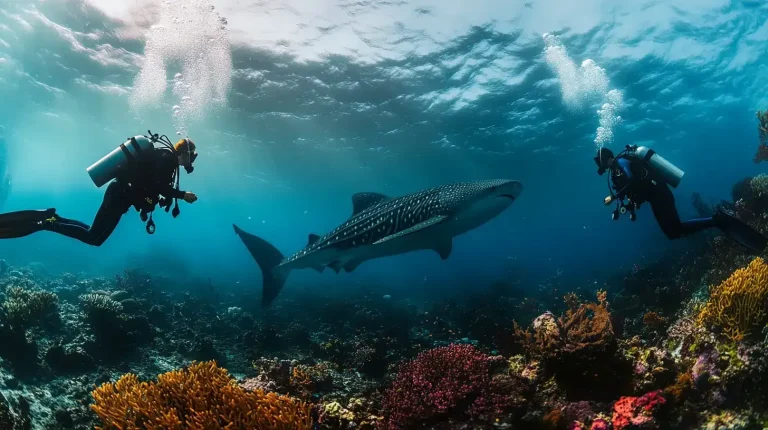
Lombok, with its stunning marine biodiversity, is a prime destination for divers seeking unparalleled underwater experiences. However, increased tourism poses risks to these delicate ecosystems. Sustainable dive practices are essential to safeguard the vibrant coral reefs and diverse marine life. By choosing eco-friendly diving options, divers can actively participate in preserving Lombok’s underwater treasures for future generations.
Choosing a Sustainable Dive Center in Lombok
When selecting a dive school, look for those that promote sustainable practices. A sustainable dive center in Lombok typically emphasizes eco-friendly policies, such as:
- Utilizing biodegradable products and reef-safe sunscreen
- Implementing waste reduction strategies, including plastic-free operations
- Supporting local marine conservation efforts with a portion of profits
One notable dive center is **Manta Dive Lombok**, which has been recognized for its commitment to responsible scuba diving in Indonesia. They offer a range of programs focused on marine conservation and have initiated several community clean-up projects. Prices for certified courses here start at around **$350 USD (5,200,000 IDR)** for a three-day program that includes two dives per day.
Reef Safe Diving Practices
As a responsible diver, it’s crucial to adopt reef-safe practices. This includes:
- Using reef-safe sunscreen to prevent harmful chemicals from entering the marine environment. Traditional sunscreens contain oxybenzone and octinoxate, which can damage coral reefs.
- Avoiding touching or standing on coral reefs. The “no touching coral” rule is vital; even the lightest touch can harm sensitive coral polyps.
- Maintaining buoyancy control to avoid accidental contact with the reef. Proper buoyancy helps divers navigate safely while protecting marine habitats.
By following these guidelines, divers contribute to the health and resilience of Lombok’s reefs, ensuring a thriving ecosystem for future visitors to enjoy.
Participating in Marine Conservation Efforts
Many dive schools in Lombok offer conservation-focused dive courses that combine diving with educational components about marine ecosystems. These programs often include:
- Coral reef monitoring
- Fish identification and marine species interaction
- Workshops on local conservation efforts and how divers can contribute
For instance, the **Raja Ampat Conservation Dive Course** runs for four days and includes three dives focused on reef assessment techniques. The cost is approximately **$600 USD (9,000,000 IDR)** and helps fund local conservation initiatives. Participants not only gain diving skills but also make a tangible impact on marine preservation efforts.
How to Protect Reefs While Diving
As a diver in Lombok, you can take steps to protect the reefs actively. Here are some practical tips:
- Education: Take time to learn about the local marine environment and its challenges. Understanding the ecosystem helps in making informed decisions while diving.
- Participate in beach and underwater clean-up days organized by local dive shops. These events help mitigate plastic pollution and engage the community.
- Report any environmental damage or illegal activities, such as fishing in protected areas, to local authorities. Your vigilance can help preserve the integrity of marine habitats.
Remember that every small action can contribute to larger conservation efforts. Your role as a diver extends beyond just enjoying the underwater world; it includes protecting it.
Embracing Plastic-Free Dive Trips in Lombok
Plastic pollution is a significant threat to marine life. Embracing plastic-free dive trips can significantly reduce your environmental impact. Here’s how you can prepare for a plastic-free diving experience:
- Bring reusable water bottles and refill them instead of buying bottled water.
- Pack snacks in reusable containers to avoid single-use plastics.
- Choose dive operators that provide eco-friendly gear and avoid plastic-based products.
Many dive centers in Lombok are now opting for eco-friendly packaging and offering reusable gear options. **Lombok Dive Academy** has committed to a plastic-free policy, ensuring all their trips are conducted responsibly. Their one-day dive package costs around **$120 USD (1,800,000 IDR)** and includes two dives with a focus on sustainability.
Ethical Marine Tourism in Lombok
Ethical marine tourism practices ensure that local communities benefit from diving activities. Engaging with local businesses and supporting community-led initiatives fosters economic growth while preserving cultural heritage. When booking dive trips, consider:
- Choosing locally-owned dive shops that employ and train local staff.
- Participating in community-led conservation projects, enhancing your connection to the area.
- Buying handicrafts or food from local markets instead of large tourist operations.
By prioritizing ethical choices, divers can create a positive cycle that supports local economies and promotes responsible tourism. Many dive schools, such as **Gili Divers**, integrate these principles by employing local instructors and contributing to community-driven conservation programs.
Frequently Asked Questions about Sustainable Diving in Lombok
What is eco-friendly diving in Lombok?
Eco-friendly diving in Lombok refers to practices and policies aimed at minimizing the impact of diving on marine ecosystems. This includes using reef-safe products, practicing no-touch diving, and supporting local conservation initiatives.
How can I find a sustainable dive center in Lombok?
Look for dive centers that openly communicate their commitment to sustainability. Check their websites for eco-certifications, community involvement, and conservation programs they support.
What are reef-safe diving practices?
Reef-safe diving practices involve actions that protect coral reefs and marine life, such as avoiding contact with the reef, using environmentally friendly sunscreen, and participating in conservation efforts.
Conclusion
Sustainable diving in Lombok is not just a trend; it is a necessity for preserving the incredible marine environments that draw divers from around the globe. By choosing sustainable dive centers, practicing reef-safe habits, and engaging in conservation efforts, you can play a crucial role in protecting Lombok’s underwater treasures.
Join the movement towards responsible scuba diving in Indonesia and make a difference while exploring the stunning underwater world of Lombok!
Marine Conservation Programs in Lombok
Several organizations in Lombok are dedicated to marine conservation, offering divers opportunities to get involved beyond simply enjoying the underwater scenery. Initiatives like the Gili Eco Trust focus on coral reef restoration and waste management. For example, you can participate in monthly clean-up dives and coral planting activities, typically held from May to October when water visibility is excellent. Volunteering for these programs not only enhances your diving experience but also raises awareness about environmental preservation among the local community and fellow divers.
Responsible Diving Practices
While diving in Lombok, adhering to responsible diving practices is crucial. Here are practical tips to ensure your diving activities are sustainable:
- Avoid touching marine life: As tempting as it may be to get up close and personal with sea turtles or vibrant coral, touching can cause harm. Maintain a safe distance to enjoy the spectacle without causing stress to creatures or damaging their habitat.
- Minimize buoyancy control: Mastering buoyancy control not only enhances your diving experience but helps prevent accidental contact with the seafloor. Consider enrolling in a buoyancy control course, which can typically cost around $150 USD (2.3 million IDR) and last 2-3 days.
- Leave no trace: Bring reusable containers and avoid single-use plastics. Carry your trash back to shore, as marine debris can harm wildlife.
Eco-Friendly Gear and Equipment
When preparing for your diving trip, consider investing in eco-friendly diving gear. Look for products made from sustainable materials or those manufactured by companies that prioritize environmental responsibility. For instance, dive suits made from natural rubber instead of synthetic materials can significantly reduce your carbon footprint. Brands like Eco Dive Gear offer wetsuits starting at approximately $200 USD (3 million IDR). Additionally, consider using reef-safe sunscreen to prevent harmful chemicals from entering the ocean.
Engaging with Local Communities
Supporting local communities is another integral part of sustainable diving. Many dive centers in Lombok partner with local fishermen and communities to promote sustainable fishing practices and marine stewardship. By diving with these centers, you contribute to the local economy and support initiatives that protect marine biodiversity. Participating in community-led tours, which often cost around $50 USD (750,000 IDR) for a half-day experience, can enhance your understanding of the local culture while promoting sustainable tourism.
Remember, every dive is an opportunity to make a positive impact. By choosing sustainable options and actively participating in conservation efforts, you can enjoy the beauty of Lombok’s underwater world while ensuring its preservation for years to come.
Explore more from Lombokdivingcourse
Keep Reading
Diving History Lombok 2027: A Journey Through Time and Innovation
Lombok’s diving history in 2027 is a rich of innovation and tradition, showcasing significant developments in diving techniques and environmental awareness. The…
Exploring Lombok’s Underwater Ecosystems in 2027: A Diver’s Guide
In 2027, divers can explore Lombok’s underwater ecosystems teeming with diverse marine life and vibrant aquatic habitats. From coral reefs to unique…
Understanding Lombok’s Ocean Currents for Divers in 2027
In 2027, understanding Lombok’s ocean currents is crucial for safe and enjoyable diving experiences. These currents influence dive conditions and marine life…