
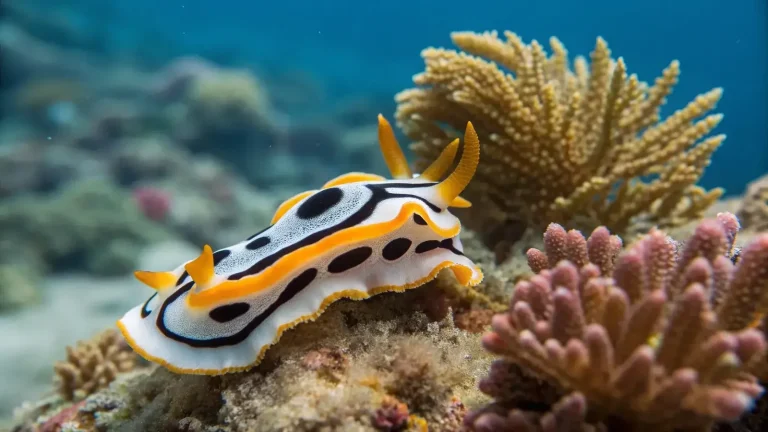
Diving History Lombok 2027: A Journey Through Time and Innovation
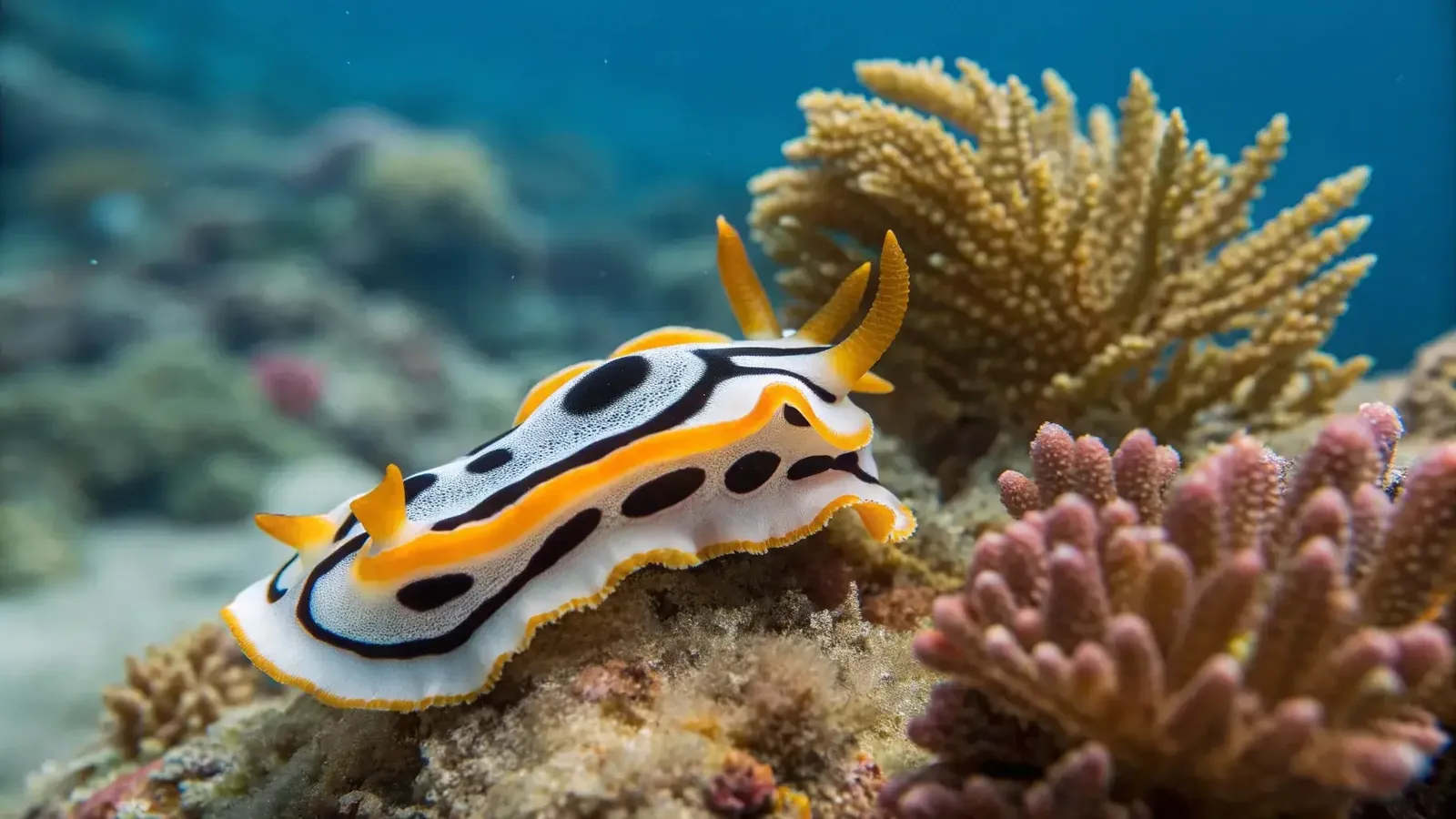
Lombok’s diving history in 2027 is a rich of innovation and tradition, showcasing significant developments in diving techniques and environmental awareness. The island has become a beacon for divers, marrying technology with a commitment to marine conservation.
Diving History Lombok 2027
The diving history of Lombok in 2027 reflects a remarkable journey of transformation and adaptation. As we look back over the years, the island has embraced technological advancements while remaining committed to preserving its natural marine beauty. This dual focus has made Lombok a popular destination for divers worldwide. The island’s strategic location within the Coral Triangle, home to 76% of the world’s coral species, has long attracted marine enthusiasts keen to explore its vibrant underwater ecosystems.
Over the decades, Lombok has integrated modern diving techniques with traditional practices, ensuring a harmonious balance between exploration and conservation. The island’s unique marine biodiversity, including rare species such as the pygmy seahorse and the hammerhead shark, continues to draw divers from around the globe.
Evolution of Diving in Lombok
The evolution of diving in Lombok has been marked by significant milestones. Initially, local fishermen and pearl divers dominated the underwater scene. However, the 1980s and 1990s saw a surge in recreational diving, driven by increased global interest in marine exploration. This period marked the beginning of Lombok’s transformation into a diving hotspot, with the establishment of several dive centres and the introduction of international diving certifications.
Fast forward to the 21st century, and Lombok has continued to evolve with the integration of advanced diving technologies and sustainable practices. The introduction of eco-friendly diving equipment and practices has transformed how divers interact with the marine environment. For instance, the adoption of rebreather technology, which reduces bubbles and noise, has allowed divers to approach marine life more closely without causing disturbance.
During the early 2020s, the island’s dive operators began collaborating with marine biologists to develop conservation-focused dive tours. These tours educate divers on the importance of marine ecosystems and encourage participation in coral planting and reef monitoring projects.
Historical Dive Changes in Lombok
Throughout its history, Lombok has witnessed important dive changes. The establishment of marine conservation areas has played a critical role in preserving its diverse marine life. These initiatives have not only protected the environment but have also enhanced the diving experience for enthusiasts. The Gili Islands, for example, were designated as a marine protected area in the mid-2000s, leading to a significant increase in fish populations and coral health.
In recent years, Lombok has embraced digital innovation, offering virtual reality dive tours and online certifications. These initiatives have broadened access to diving education and experiences, allowing more people to explore Lombok’s underwater world. Virtual reality tours, in particular, have become popular among those unable to dive physically, providing an immersive glimpse into the island’s aquatic life.
Additionally, the introduction of citizen science programmes has empowered divers to contribute to marine research. Divers can now participate in data collection efforts, using underwater cameras and apps to document marine species and report environmental changes.
Technological Advancements in Lombok Diving
- Introduction of AI-guided diving tours
- Use of drones for marine life monitoring
- Development of biodegradable diving gear
- Implementation of advanced safety protocols
Technological advancements have been instrumental in shaping Lombok’s diving industry. From AI-guided tours to the use of drones for monitoring marine life, these innovations have improved safety and enhanced the diving experience. AI technology allows for real-time analysis of dive conditions, helping divers make informed decisions about their underwater excursions.
The use of drones has revolutionised marine life monitoring, providing researchers with aerial perspectives of coral reefs and fish populations. These drones are equipped with high-resolution cameras and sensors that capture data on water temperature and clarity, aiding in environmental assessments.
The development of biodegradable diving gear is another significant advancement, reducing the ecological footprint of diving activities. This gear, made from sustainable materials, decomposes naturally, minimising pollution in marine environments.
Advanced safety protocols have also been implemented, including the use of digital dive logs and emergency communication systems. These measures ensure divers’ safety by providing immediate access to vital information and support in case of emergencies.
2027 Note: A Sustainable Future
As of 2027, Lombok’s focus on sustainability is evident in its diving practices. The island’s commitment to environmental stewardship ensures that future generations can enjoy its marine treasures. Through collaborative efforts with local communities and international partners, Lombok continues to set standards for responsible diving tourism. Local dive operators have partnered with NGOs to organise beach clean-ups and educational workshops, fostering a conservation-minded community.
The integration of sustainable tourism practices has also contributed to the local economy, providing employment opportunities for residents while promoting environmental conservation. Dive shops and resorts have adopted eco-friendly policies, such as banning single-use plastics and supporting local conservation projects.
FAQ
How has diving in Lombok evolved up to 2027?
Diving in Lombok has evolved through technological advancements, increased environmental awareness, and the integration of sustainable practices, enhancing both safety and the overall diving experience. These changes have made Lombok a model for other diving destinations seeking to balance tourism with conservation.
What are some historical dive changes in Lombok?
Historical dive changes in Lombok include the establishment of marine conservation areas, advancements in diving technology, and the integration of sustainable practices that have preserved its marine ecosystems. These efforts have resulted in healthier coral reefs and increased biodiversity, attracting divers and researchers alike.
How has technology influenced diving in Lombok?
Technology has influenced diving in Lombok by introducing AI-guided tours, drones for marine monitoring, and biodegradable diving gear, all of which have improved safety and conservation efforts. These innovations have enhanced the diving experience while promoting the preservation of Lombok’s rich marine heritage.
Keep Reading
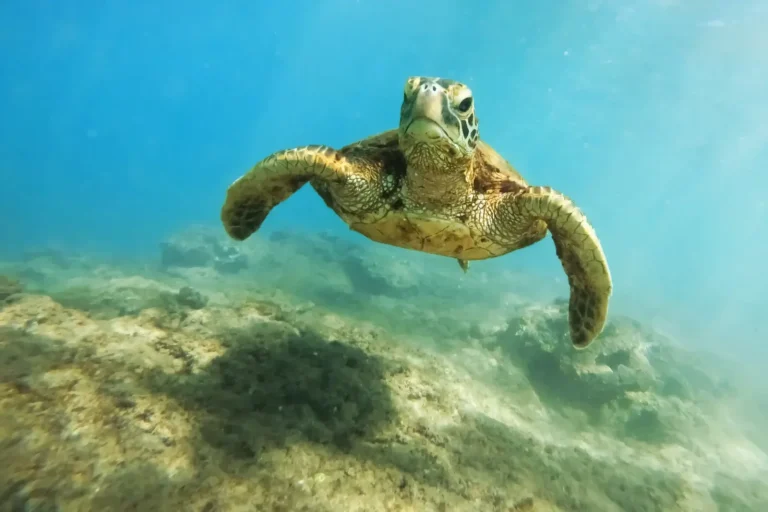
Exploring Lombok’s Underwater Ecosystems in 2027: A Diver’s Guide
In 2027, divers can explore Lombok’s underwater ecosystems teeming with diverse marine life and vibrant aquatic habitats. From coral reefs to unique…
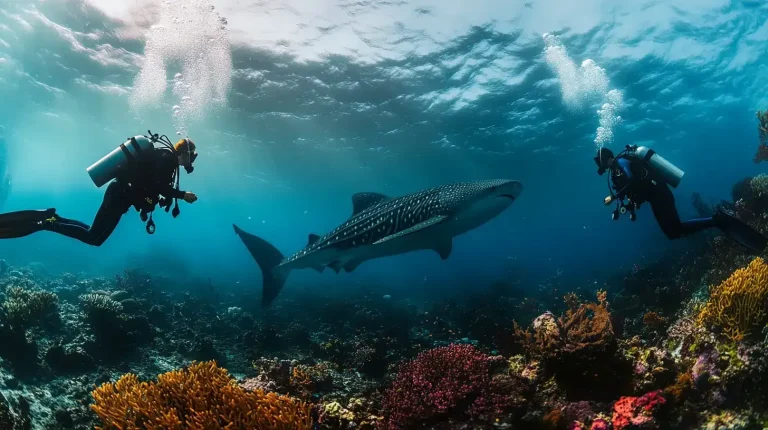
Understanding Lombok’s Ocean Currents for Divers in 2027
In 2027, understanding Lombok’s ocean currents is crucial for safe and enjoyable diving experiences. These currents influence dive conditions and marine life…
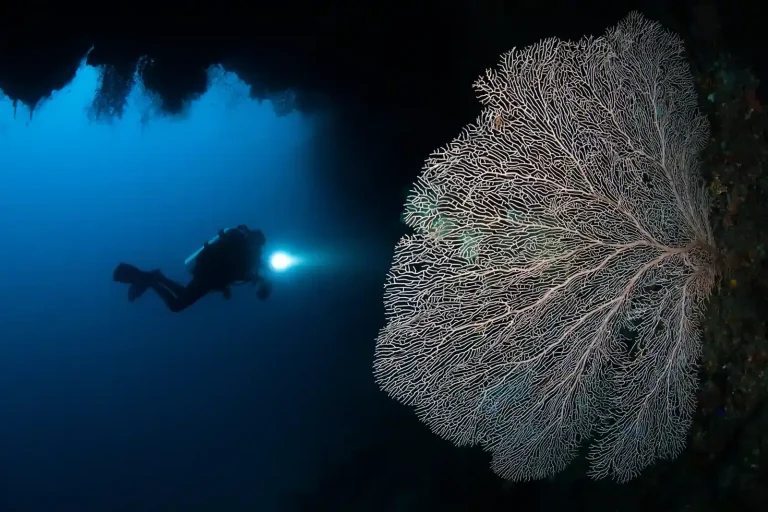
Exploring the Diving Experience in Lombok 2027 Through the Eyes of Modern Divers
The diving experience in Lombok 2027 offers underwater adventures, as divers discover vibrant marine life and stunning coral gardens. ‘re a seasoned…