
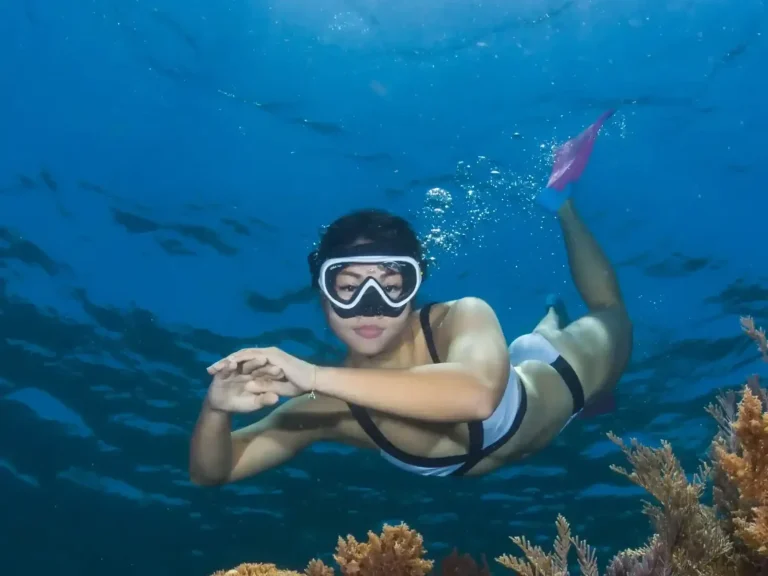
Safety Rules for First-Time Divers
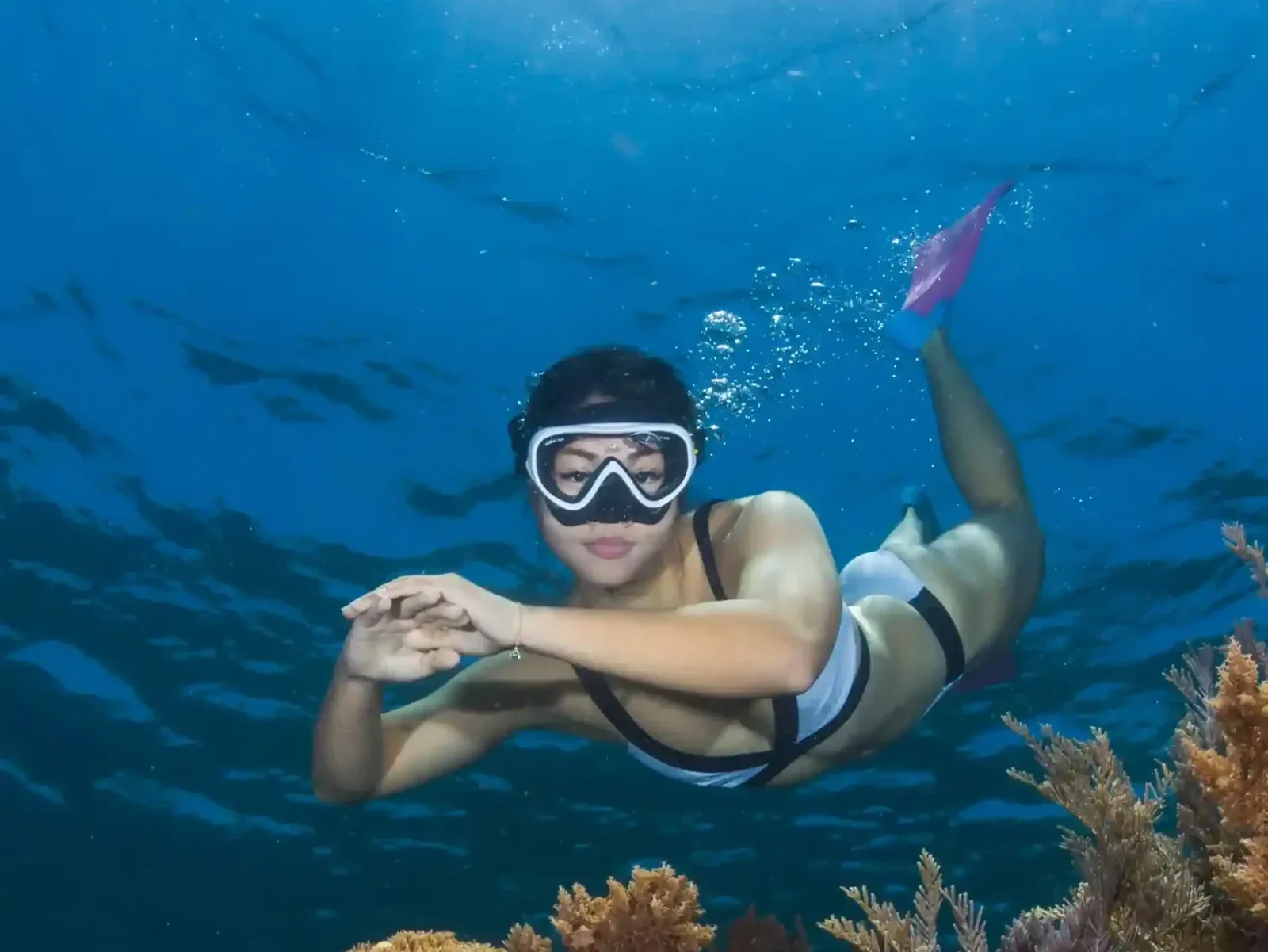
Safety Rules for First-Time Divers
Scuba diving is an exhilarating adventure that allows you to explore the wonders of the underwater world. For first-time divers, understanding safety rules is crucial to ensure a fun and enjoyable experience. From PADI safety standards to beginner dive tips, knowing how to stay safe underwater will help you dive with confidence.
Understanding PADI Safety Standards
The Professional Association of Diving Instructors (PADI) has established a set of safety standards that all certified dive instructors and facilities must adhere to. These guidelines are designed to mitigate risks and ensure divers have a safe experience. In Lombok, you can expect your dive instructor to brief you thoroughly on all safety procedures. This typically includes:
- Equipment checks: Ensuring your gear is in good working condition.
- Emergency procedures: Learning what to do in case of an emergency.
- Environmental awareness: Understanding the local marine life and potential hazards.
During your first dive, your instructor will provide a comprehensive safety briefing, detailing how to equalize your ears while diving and what to do if you panic underwater. Following these PADI safety standards is essential for a successful dive experience.
Beginner Dive Safety Tips
As a beginner, there are several safety tips you should keep in mind before and during your dive. Here are the most important considerations:
- Pre-Dive Health Check: It’s crucial to assess your physical condition before diving. Ensure that you are in good health and free of any conditions that may affect your ability to dive, such as severe asthma or cardiovascular issues.
- Hydration: Drink plenty of water before your dive to stay hydrated. Dehydration can lead to increased risk of decompression sickness.
- Buddy System: Always dive with a buddy. This is a fundamental rule in dive safety. Your buddy can assist you in case of any emergencies.
- Practice Equalization: Learning how to equalize your ears while diving is crucial. As you descend, the pressure increases, and it becomes necessary to relieve that pressure. Failure to do so can lead to discomfort or even injury.
- Know Your Limits: As a first-time diver, it’s important to stick to shallow depths. Open Water diving typically occurs at depths of 18 meters (60 feet) for beginners. Do not exceed your training level until you gain more experience.
- Stay Calm: If you find yourself feeling anxious or panicked underwater, it’s important to remember to breathe slowly and focus on your surroundings. Panic can lead to dangerous situations, so practicing relaxation techniques during your training will be beneficial.
Health Requirements for Scuba Diving
Before embarking on your diving adventure in Lombok, you must meet specific health requirements. Most dive centers will require you to fill out a medical form for the PADI course. This form will cover past and present health issues, such as:
- Respiratory conditions (asthma, COPD)
- Cardiovascular diseases
- Ear or sinus problems
- Diabetes
- Recent surgeries
If you answer “yes” to any question on the medical form, you may be required to obtain a doctor’s clearance to dive. It is always better to be safe than sorry, and ensuring you meet the health requirements is part of dive safety.
Diving with Anxiety
Can you dive with anxiety? The answer is yes, but with certain precautions. Anxiety can manifest in different ways; for some, it might be a fear of the unknown, while for others, it could be fear of being underwater. Here are some strategies to help manage anxiety while diving:
- Communicate: Talk to your dive instructor about your anxiety. They can provide additional support and tailor your experience to help you feel more comfortable.
- Stay Informed: Understanding the dive process can reduce anxiety. Participate in pre-dive briefings and ask questions to clarify any uncertainties.
- Practice Breathing Techniques: Breathing exercises can help calm your nerves. Before you dive, take a few moments to practice deep breathing, focusing on inhaling and exhaling slowly.
- Start Slow: Consider beginning with a Discover Scuba Diving experience rather than a full Open Water course. This allows you to get accustomed to the water and equipment in a controlled environment.
What If I Panic Underwater?
Panic can happen, even to the most experienced divers. If you find yourself panicking underwater, here are immediate steps you should follow:
- Stop Moving: If you feel panic rising, stop your movement and take a moment to assess the situation.
- Breath Control: Focus on your breathing. Take slow, deep breaths. This helps reduce panic and allows you to think clearly.
- Signal to Your Buddy: Use hand signals to communicate with your dive buddy. If you are feeling overwhelmed, your buddy can assist you in ascending to the surface safely.
- Ascend Slowly: If possible, ascend slowly to the surface while maintaining your breathing control. Rapid ascents can lead to decompression sickness.
Remember, panic is a natural response, and being prepared with strategies can make a significant difference in managing your experience.
Preparing for Your First Dive in Lombok
When preparing for your first dive in Lombok, you’ll want to keep certain logistical aspects in mind. Dive centers often offer comprehensive packages that include everything from equipment rental to guided tours of the stunning underwater landscapes. Here are the steps to help you prepare:
- Book Your Dive Course: Depending on the season, courses can range from $400 to $600 USD (6,000,000 – 9,000,000 IDR) for a full Open Water certification, typically lasting 3-4 days.
- Location Considerations: Lombok offers various dive sites, such as the famous Gili Islands and the vibrant reefs at Tanjung Luar. Each location has its unique marine life and underwater topography.
- Pack Accordingly: Bring necessary items like sunscreen, a swimsuit, and a towel. Most dive centers provide wetsuits, but check if you need a personal one.
- Stay Updated: Keep an eye on weather conditions, especially during the rainy season from November to March, as this can affect diving visibility.
Conclusion
Diving for the first time can be thrilling yet daunting, especially in a stunning location like Lombok. By adhering to safety rules, practicing essential skills, and preparing adequately, you will set yourself up for a memorable underwater experience. Scuba diving opens a world of adventure, and with the right knowledge and the PADI safety guidelines, you can dive safely and confidently.
FAQs
- What are the health requirements for scuba diving?
You must fill out a medical form that states your health history. Certain medical conditions may require a doctor’s clearance. - How deep is Open Water diving?
Open Water divers are typically trained to dive up to 18 meters (60 feet) deep. - What is a dive instructor safety briefing?
A briefing that outlines safety procedures, emergency protocols, and equipment checks to ensure a successful dive.
Ready to dive into adventure? Join a Lombok diving course today!
Explore more from Lombokdivingcourse
Keep Reading
Diving History Lombok 2027: A Journey Through Time and Innovation
Lombok’s diving history in 2027 is a rich of innovation and tradition, showcasing significant developments in diving techniques and environmental awareness. The…
Exploring Lombok’s Underwater Ecosystems in 2027: A Diver’s Guide
In 2027, divers can explore Lombok’s underwater ecosystems teeming with diverse marine life and vibrant aquatic habitats. From coral reefs to unique…
Understanding Lombok’s Ocean Currents for Divers in 2027
In 2027, understanding Lombok’s ocean currents is crucial for safe and enjoyable diving experiences. These currents influence dive conditions and marine life…