
Planning a Lombok Diving Certification Course in the Dry Season
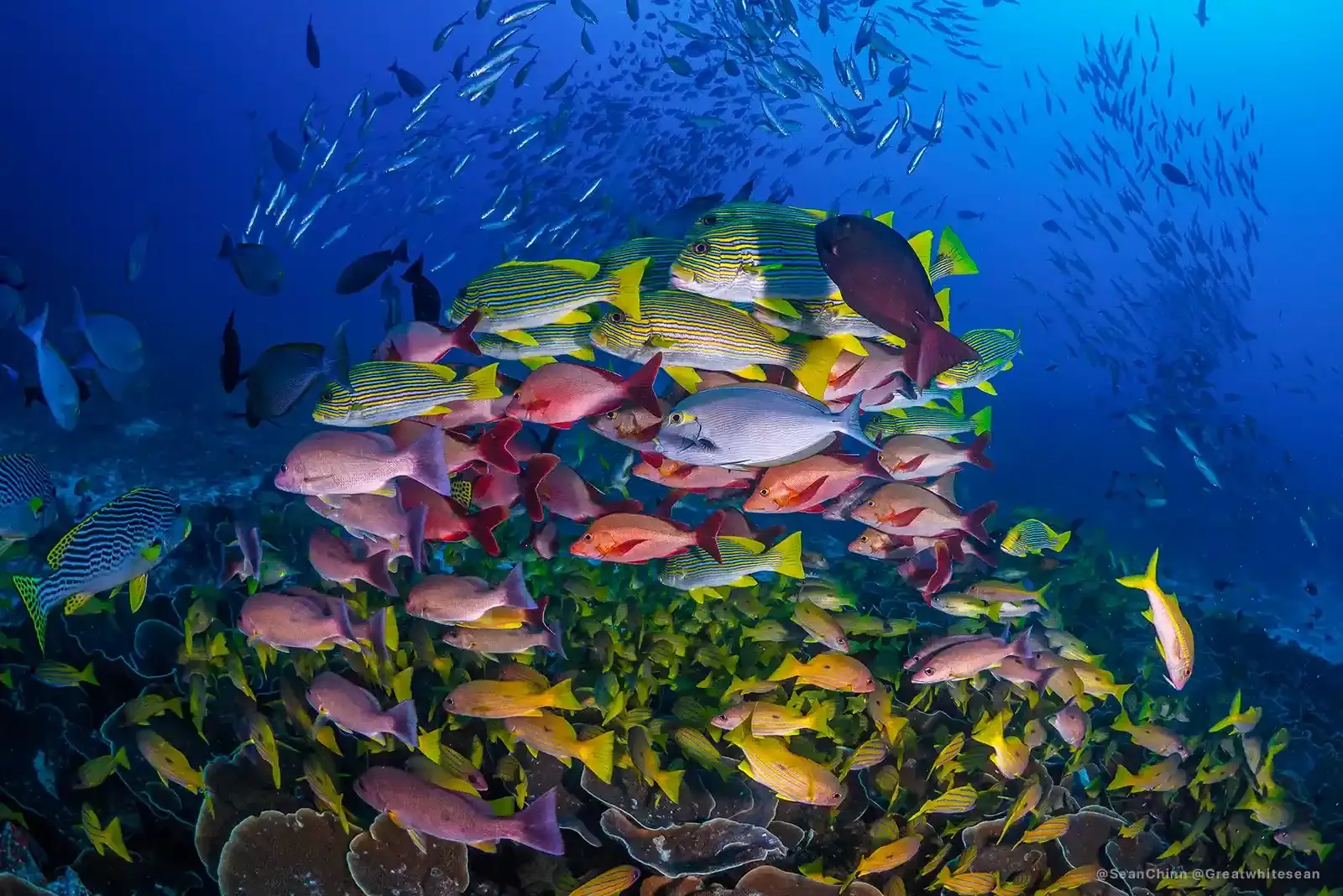
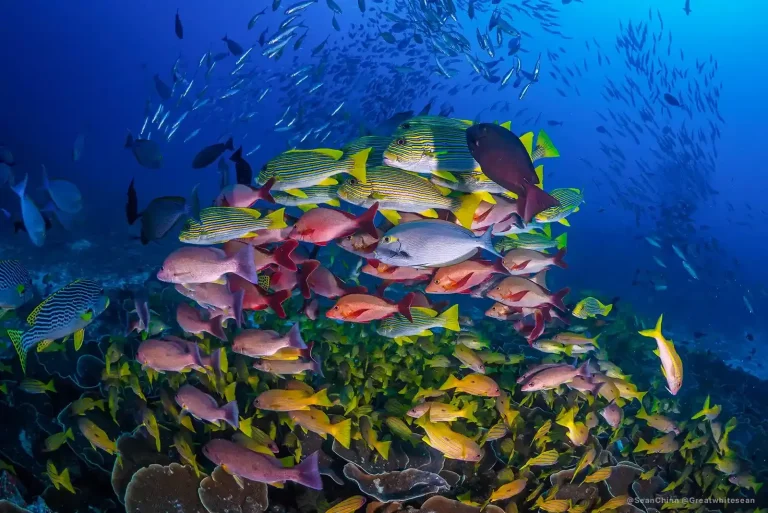
- Peak Visibility: Expect underwater visibility often exceeding 25 meters.
- Calm Seas: Minimal wind and rain result in smooth boat rides and tranquil training conditions.
- Ideal Climate: Enjoy average air temperatures of 30°C and low humidity for comfortable post-dive relaxation.
The teak deck of the dive boat is warm underfoot, the Indonesian sun already high in a cloudless sky. Below, the Celebes Sea is a deep, impossible blue, its surface placid, almost glassy. This is the essence of Lombok in August. The air is dry, carrying the faint, sweet scent of frangipani from the shore and the clean, briny smell of the open ocean. We’re motoring out from the Mangsit coast towards the Gili Islands, a journey that in the wet season can be a choppy affair. Today, it’s a serene glide. For the small group of aspiring divers on board, this tranquility is more than just a pleasantry; it’s the perfect classroom for mastering the art of breathing underwater. The dry season doesn’t just invite you to Lombok; it presents the island’s underwater realm in its most refined and accessible state, making it the definitive time to pursue a diving certification.
Why the Dry Season (May-September) is Lombok’s Prime Diving Window
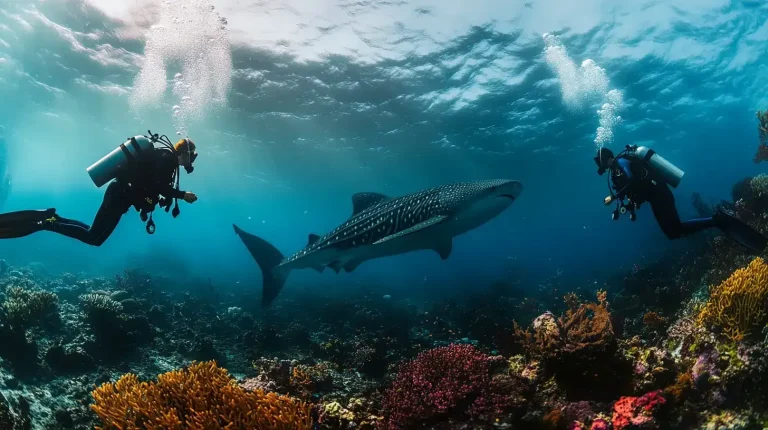
As any seasoned traveler to the Indonesian archipelago will attest, timing is everything. While Lombok offers a compelling allure year-round, the dry season, which typically runs from May through late September, represents the absolute apex for underwater exploration. Meteorologically, this period is defined by a dramatic drop in precipitation; monthly rainfall averages less than 50 millimeters, a stark contrast to the 200-300 millimeters common in January or February. This lack of rain has a direct and profound impact on diving conditions. With minimal land runoff, the water clarity is exceptional. On a typical day in July or August, visibility can easily push past 25 or even 30 meters, transforming dive sites into vast, sun-drenched amphitheaters. For a student diver, this clarity is invaluable—it reduces anxiety and allows for easy observation of instructor demonstrations and the vibrant marine ecosystem. Water temperatures remain a balmy and consistent 27-29°C (81-84°F), allowing for comfortable, extended periods of in-water skill development without the need for cumbersome, thick wetsuits. The surface conditions are equally forgiving, with calm seas and light winds making for comfortable boat journeys and effortless entries and exits—a significant advantage when you’re managing equipment for the first time.
Selecting the Right PADI Certification for Your Lombok Itinerary
Choosing to get certified in Lombok is the first step; the next is selecting the PADI course that aligns with your experience and travel schedule. For the complete novice, the PADI Open Water Diver course is the global standard and your gateway to the underwater world. This comprehensive program, which we structure over three to four days, combines knowledge development, confined water sessions in a pool or calm bay, and four open water dives. It’s an immersive experience that fits neatly within a 10-day luxury Lombok holiday. For those already holding an Open Water certification, the PADI Advanced Open Water Diver course is the logical progression. This is where Lombok’s diverse topography truly shines. The course consists of five adventure dives, two of which are mandatory: the Deep Adventure Dive, which certifies you to a depth of 30 meters, and the Underwater Navigation Adventure Dive. For the remaining three, I often recommend the Drift Dive, a perfect match for the gentle currents around the Gili Islands, and the Peak Performance Buoyancy specialty, which refines your skills to an expert level. Our Lombok Diving Course — PADI Open Water + Advanced Certifications portfolio is designed to accommodate these paths, ensuring your training is as seamless as your vacation.
The Gili Islands vs. Southern Lombok: A Tale of Two Diving Paradigms
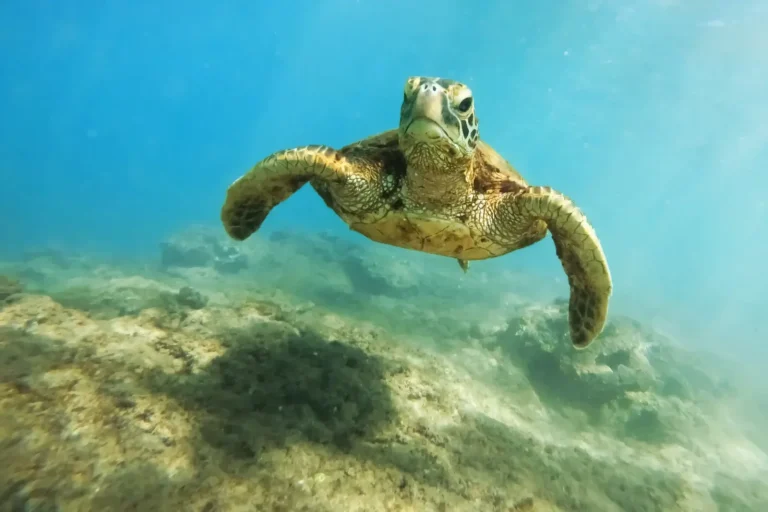
Lombok’s diving identity is split between two distinct regions, each offering a unique character. To the northwest lie the Gili Islands—Trawangan, Meno, and Air. This trio is famed for its accessibility, with dozens of dive sites a mere 10-to-20-minute boat ride from shore. The diving here is characterized by gentle slopes, vibrant coral gardens, and an astonishingly high population of green and hawksbill turtles. Sites like Turtle Heaven off Gili Meno live up to their name, providing near-guaranteed encounters. The currents are generally mild, making it an idyllic training ground for new divers. In contrast, the southern coast, particularly around Belongas Bay, presents a wilder, more formidable diving frontier. This is the realm of the serious enthusiast. The crown jewel is “The Magnet,” an offshore pinnacle exposed to the open ocean currents of the Indian Ocean. From June to September, these currents attract schools of scalloped hammerheads and mobula rays. It is a challenging, deep dive reserved for experienced, advanced-certified divers. The dry season’s calm seas make the longer boat journeys to these remote southern sites not only possible but comfortable, opening up a world of pelagic action that few other destinations can match. According to Indonesia’s official tourism portal, the Gilis are a marine tourism hub, but for raw, untamed adventure, the south is where the cognoscenti go.
Beyond the Dive: Curating a Luxury Lombok Experience
A diving certification trip to Lombok should be more than just a series of training exercises; it should be an integrated luxury experience. The island’s tourism infrastructure is perfectly suited to this. The west coast, particularly the areas of Senggigi and Mangsit, is home to a collection of world-class resorts and private villas that offer sanctuary after a day on the water. Imagine completing your final certification dive and returning not to a crowded hostel but to a private infinity pool overlooking the Lombok Strait. Surface intervals, the mandatory rest periods between dives, become opportunities for indulgence. Instead of simply waiting on the boat, arrange for a private chef to prepare a lunch of grilled red snapper (ikan bakar) on a secluded beach. The hours between your morning and afternoon dives can be spent with a private yoga instructor or enjoying a traditional Sasak massage. This elevated approach extends to every facet of the trip. Dining can range from hyper-local warungs serving fiery plecing kangkung to sophisticated resort restaurants with international wine lists. For a touch of cultural immersion, a guided visit to a traditional weaving village in Sukarara or an exploration of the foothills of Mount Rinjani, part of a UNESCO Global Geopark, provides a profound connection to the island’s heritage.
Logistics and Insider Tips from a Seasoned Pro
Executing a flawless diving trip to Lombok hinges on meticulous planning, especially during the peak dry season months of July and August. My first piece of advice is to book everything—your dive course, flights into Lombok International Airport (LOP), and accommodation—at least four to six months in advance. The best resorts and the most sought-after private dive instructors are reserved early. When it comes to equipment, while our premier lombok diving course provides impeccably maintained, top-tier gear from brands like Scubapro, I always recommend divers invest in their own mask and dive computer. A perfect-fitting mask is the difference between a pleasant dive and a frustrating one, and a personal computer tracks your dive history and nitrogen loading. For safety, comprehensive travel insurance that explicitly covers scuba diving is non-negotiable; I personally use and recommend Divers Alert Network (DAN). Lombok is well-equipped with a hyperbaric chamber in the capital, Mataram, but proper insurance is your ultimate safety net. To ensure a truly seamless experience from touchdown to takeoff, arrange for a private airport transfer through your resort or dive operator. The 90-minute drive from the airport to the Senggigi area becomes a comfortable, air-conditioned introduction to the island’s landscapes, allowing you to arrive at your hotel relaxed and ready for the adventure ahead.
Quick FAQ: Your Lombok Diving Certification Questions Answered
What is the water temperature during the dry season? The water is consistently warm, hovering between 27-29°C (81-84°F). Most divers find a 3mm shorty wetsuit or even just a rash guard and boardshorts to be perfectly comfortable for the duration of the dives.
Do I need any prior experience for the PADI Open Water course? Absolutely none. The course is designed for complete beginners. The only prerequisites are that you are at least 10 years old, in good physical health, and can comfortably swim or tread water for 10 minutes.
How much does a PADI Open Water course cost in Lombok? Prices vary, but for a premium, all-inclusive course with a private instructor, expect to invest between $550 and $750 USD. This typically covers all PADI e-learning materials, equipment rental, boat fees, certification processing, and sometimes even lunch on the dive boat.
Is it better to stay on a Gili Island or on mainland Lombok for a certification? For a luxury-focused trip, staying on mainland Lombok in the Senggigi or Mangsit area offers the best of both worlds. You have access to superior accommodations and amenities while being just a short, scenic boat ride from the Gili Islands’ prime dive sites. This provides a more refined and private base of operations.
The decision to earn your PADI certification is a commitment to discovering a new world. Choosing to do so in Lombok during the dry season elevates that commitment into an unforgettable journey. The combination of perfect underwater conditions, world-class instruction, and a backdrop of sophisticated tropical luxury creates an experience that is as rewarding as it is relaxing. The skills you acquire here will last a lifetime, and the memories of Lombok’s vibrant reefs and serene landscapes will last even longer. Ready to take the plunge? Explore our bespoke lombok diving course packages and allow us to craft your personalized underwater adventure.
Keep Reading
Diving History Lombok 2027: A Journey Through Time and Innovation
Lombok’s diving history in 2027 is a rich of innovation and tradition, showcasing significant developments in diving techniques and environmental awareness. The…
Exploring Lombok’s Underwater Ecosystems in 2027: A Diver’s Guide
In 2027, divers can explore Lombok’s underwater ecosystems teeming with diverse marine life and vibrant aquatic habitats. From coral reefs to unique…
Understanding Lombok’s Ocean Currents for Divers in 2027
In 2027, understanding Lombok’s ocean currents is crucial for safe and enjoyable diving experiences. These currents influence dive conditions and marine life…