
What Is the Best Time to Get PADI Certified in Lombok?
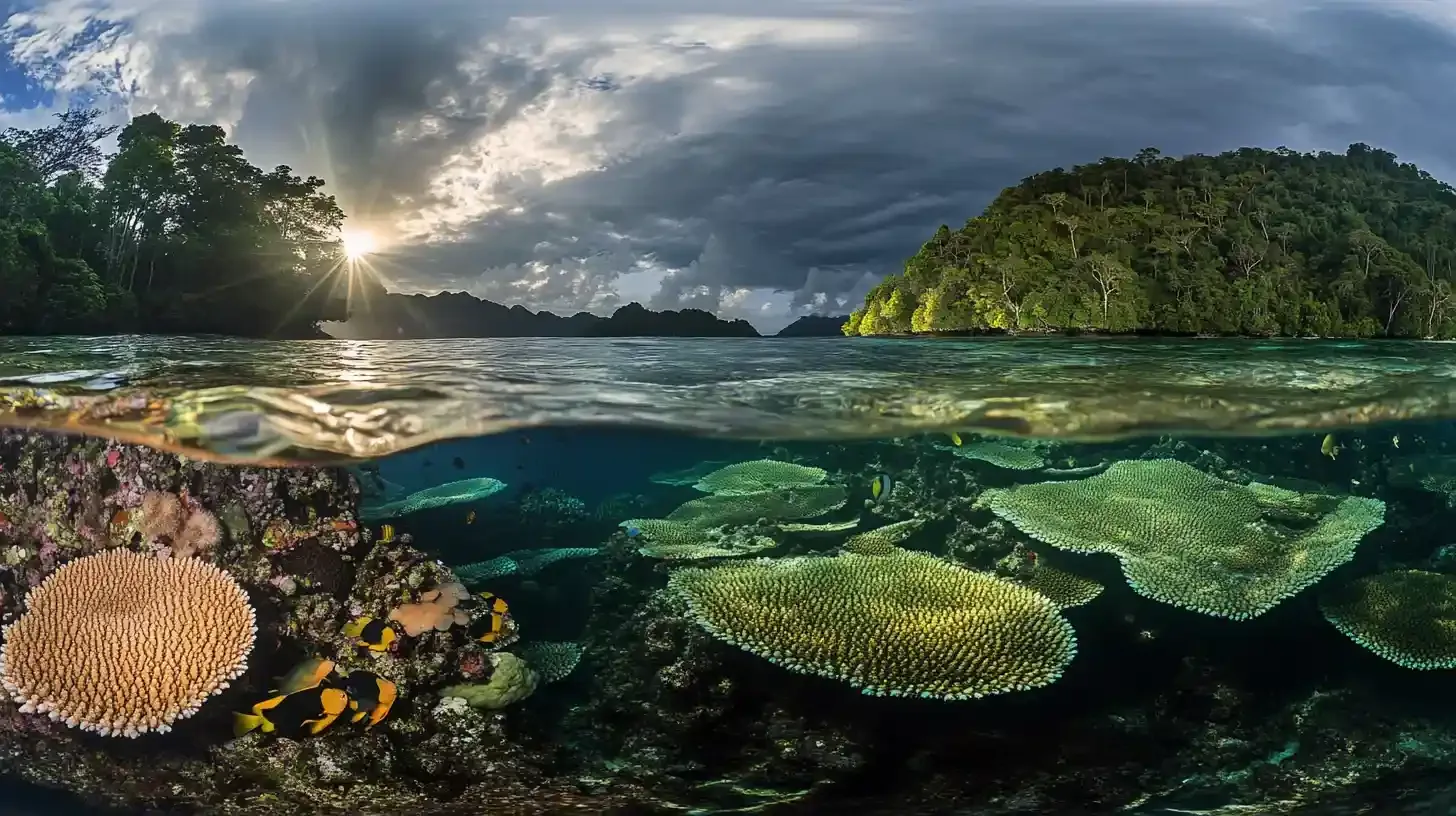
- Optimal Visibility: Underwater clarity frequently surpasses 30 meters, offering clear views of marine life and dive instructors.
- Calm Sea Conditions: The seas are typically flat and tranquil, minimizing surface chop and making boat journeys pleasant.
- Ideal Weather: Expect minimal rainfall and consistent sunshine, with average air temperatures around a perfect 28°C.
The air is thick with the scent of clove and the sharp, clean perfume of salt. You are gliding across the Flores Sea, the sun warming your shoulders as the volcanic peak of Rinjani holds court on the horizon. Below the boat’s hull, a world of turquoise and sapphire awaits. This is the moment before your first descent, the threshold of a new realm of exploration. For many, a Lombok diving certification is a seminal travel experience, but timing is everything. The question isn’t just if you should get certified here, but precisely when to align your training with the island’s natural rhythms for the most sublime experience possible. As travel editors, we’ve learned that understanding an environment’s cadence is the key to unlocking its most profound secrets.
Decoding Lombok’s Two Distinct Seasons: Dry vs. Wet
Lombok, like much of Indonesia, operates on a two-act climatic stage: the dry season and the wet season. Understanding the nuances of each is fundamental to planning your certification. The dry season, running from May to September, is universally regarded as the prime window. During these months, the island is bathed in consistent sunshine, with monthly rainfall often below 100mm. For a prospective PADI student, this translates to idyllic surface conditions. Air temperatures hover between 27°C and 30°C, while water temperatures remain a welcoming 26°C to 29°C. More critically, the lack of significant rainfall and land runoff results in extraordinary underwater visibility, frequently exceeding 25-30 meters. This clarity is not merely an aesthetic luxury; it’s a crucial component of a successful training experience, allowing for easy communication with your instructor and a greater sense of spatial awareness. The peak of this period, July and August, aligns with European holidays, bringing a vibrant energy to the island but also larger crowds. As any seasoned diver will attest, the real magic lies in the months flanking this peak.
Conversely, the wet season spans from October to April. The term “wet season” can be misleading; it rarely involves all-day downpours. Instead, expect intense but often brief tropical showers, usually in the afternoon, which leave the island’s interior exceptionally lush and vibrant. Water temperatures remain consistently warm, around 28°C. The primary challenge for divers is the impact on visibility. Runoff from the island can cloud the water, reducing visibility to a range of 10-15 meters. While perfectly diveable, these conditions are less than ideal for a first-timer mastering buoyancy or navigation skills. The seas can also become choppier, particularly during the peak monsoon months of January and February. However, for the flexible traveler or a diver seeking an advanced course, this season offers the allure of fewer tourists and significantly lower prices on accommodation and flights, sometimes by as much as 40%.
The Shoulder Seasons: A Strategic Choice for the Discerning Diver
For those in the know, the sweet spot for a lombok diving course lies not in the peak of the dry season, but in its shoulders: April-June and September-October. These transitional months offer a sublime balance of excellent diving conditions, reduced visitor numbers, and more attractive pricing. In April and May, the island is emerging from the rains, its landscapes painted in an intense, emerald green. The last of the rains have washed the air clean, and the underwater visibility is improving daily, often reaching a pristine 20 meters or more. Our go-to divemaster on Gili Trawangan, a veteran instructor named Ardi, always advises his private clients, “Come in May. The crowds haven’t arrived, the water is crystal clear, and the whole island feels like it’s taking a deep, relaxed breath.” It’s a period of palpable renewal, both above and below the water.
The second shoulder, from September to October, presents an equally compelling proposition. The dry season’s guaranteed sunshine continues, but the summer crowds have dissipated. You’ll find more space on the dive boats, more personalized attention from your instructors, and a more tranquil atmosphere on the islands. The water has been warmed by the sun all summer, often reaching a bath-like 29°C. This period is particularly advantageous for those who wish to combine their PADI certification with other island activities, like trekking, as the weather remains stable but the trails are less congested. From a financial perspective, booking your course and travel during these months can result in savings of 20-30% compared to the July-August peak, allowing you to invest in an advanced certification or an extra week of leisure dives. It is the strategic choice for the traveler who values both optimal conditions and a sense of exclusivity.
Marine Life Calendar: Aligning Your Certification with Pelagic Encounters
Timing your PADI certification in Lombok isn’t just about weather; it’s about biology. The waters here are a critical passage within the Coral Triangle, an area that, according to Wikipedia, hosts the highest diversity of marine species on Earth. Different seasons bring different stars to the underwater stage. While green and hawksbill turtles are year-round residents and a guaranteed sighting around the Gili Islands, other majestic pelagics are more transient. Manta rays, for instance, are more frequently sighted in the nutrient-rich waters of southern Lombok, particularly from March to May and again from September to November. While you’re unlikely to encounter them during an Open Water course in the Gilis, it’s valuable knowledge for planning future dives post-certification.
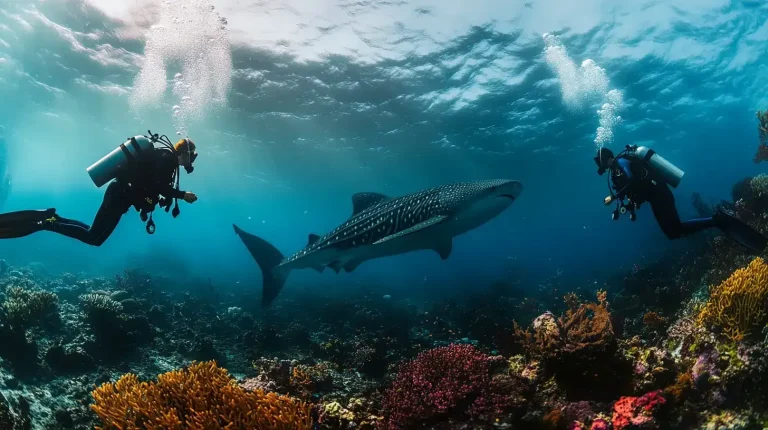
The ultimate prize for many divers, the whale shark, is an infrequent but possible visitor. Sightings, though rare, are most probable between May and October when plankton blooms, their primary food source, are at their peak. For those pursuing more advanced training, the cooler water upwellings from July to September in the south, particularly at the world-renowned site “The Magnet” in Belongas Bay, can attract scalloped hammerheads. This is a dive reserved for highly experienced divers due to its challenging currents and depth, but it showcases the incredible seasonal potential of Lombok’s waters. For those enrolling in a PADI Advanced Open Water course, the calm, clear conditions of the dry season are perfect for honing skills like underwater photography, allowing you to capture the vibrant macro life—pygmy seahorses, ornate ghost pipefish, and a dazzling array of nudibranchs—that thrives here year-round.
Beyond the Dive: Surface Intervals and Lombok’s Cultural Rhythms
A world-class diving education involves more than just time spent underwater. Your surface intervals—the hours and days between dives—are an opportunity to immerse yourself in Lombok’s rich culture and dramatic landscapes. The season you choose will heavily influence these terrestrial adventures. During the dry season (May-September), conditions are perfect for tackling the island’s centerpiece, Mount Rinjani. This 3,726-meter active volcano is part of a UNESCO Global Geopark, and its trekking trails are safest and most accessible when free from seasonal rains. A multi-day trek to the crater rim offers views that are nothing short of primordial. This season also hosts key cultural events like the Senggigi Festival, a vibrant celebration of local arts and traditions that typically takes place in late summer.
Opting for the wet season (October-April) presents a different, yet equally compelling, set of opportunities. The island’s many waterfalls, such as Tiu Kelep and Sendang Gile in the north, are at their most thunderous and spectacular, fed by the monsoonal rains. The landscape is intensely verdant, a photographer’s dream. This period also includes the unique Bau Nyale festival (usually in February or March), a fascinating cultural event where thousands of locals flock to the southern beaches to catch seasonal sea worms, believed to bring good fortune. A comprehensive lombok diving course should be seen as the anchor of your trip, not its sole component. By considering the island’s full calendar, you can craft an itinerary that is as enriching on land as it is in the water, creating a more holistic and memorable Indonesian journey.
The Gili Islands vs. Mainland South Lombok: A Geographic Consideration
When planning your PADI certification, it’s vital to understand that “Lombok” refers to a diverse diving region, not a monolith. The primary training hub is the Gili Islands—Trawangan, Meno, and Air—a trio of idyllic sand-fringed islets just 35 kilometers off the northwest coast. The Gilis are situated in the relatively sheltered Lombok Strait, which protects them from the full force of the Indian Ocean. This geography makes them an ideal year-round location for beginner courses. The currents are generally mild, the water is consistently warm (27-30°C), and the dive sites are a mere 10-15 minute boat ride from shore. During the dry season, the conditions here are near-perfect, making it an exceptional learning environment. This accessibility and reliability are why most operators, including ourselves, base their foundational Lombok Diving Course — PADI Open Water + Advanced Certifications in this area.
In contrast, the southern coast of Lombok, encompassing areas like Sekotong and the formidable Belongas Bay, presents a wilder, more advanced diving frontier. These sites are directly exposed to the Indian Ocean, resulting in stronger currents, potential thermoclines, and cooler water temperatures. While this exposure creates challenging conditions, it also attracts a higher concentration of large pelagic species. Dive sites here are for the seasoned adventurer. The dry season, especially from August to October, is the only recommended time for even experienced divers to explore this region safely. As detailed by the official Indonesia travel portal, South Lombok offers a different, more rugged appeal. Understanding this geographic distinction is key; start your journey in the calm, confidence-building waters of the Gilis, and aspire to the thrilling challenges of the south once your skills and experience have grown.
Quick FAQ: Your Lombok Dive Certification Questions Answered
Is it safe to dive during the rainy season?
Absolutely. Safety is our paramount concern, and diving continues year-round. The primary impacts of the rainy season (October-April) are potentially reduced underwater visibility due to land runoff and choppier surface conditions on the boat. We meticulously monitor weather and sea states, adjusting our choice of dive sites daily to ensure the safest and most enjoyable conditions for our students.
Do I need a thicker wetsuit in certain months?
For most of the year, a 3mm “shorty” wetsuit is perfectly adequate, as water temperatures rarely dip below 26°C. However, during the peak of the dry season (July-September), upwellings can bring cooler water from the depths, sometimes dropping the temperature to 25-26°C. During this period, some divers may prefer the extra warmth of a full-length 3mm wetsuit for optimal comfort, especially during multiple dives in a single day.
When is the busiest time for PADI courses in Lombok?
The two busiest periods are July and August, which align with the main European summer holidays, and the period from late December to early January for the Christmas and New Year break. During these times, the islands have a festive atmosphere, but dive boats and courses fill up quickly. We strongly recommend booking your lombok diving course at least 3-4 months in advance if you plan to travel during these peak windows.
Can I see manta rays while getting my Open Water certification?
While never impossible, it is highly unlikely. The primary locations for PADI Open Water courses are the Gili Islands, which are celebrated for their incredibly high density of sea turtles. Manta ray aggregation sites are typically found in the more advanced, current-swept dive sites off the southern coast of Lombok, which are better suited for experienced divers who have already completed their advanced certifications.
The optimal window is clear: May through September offers a peerless combination of visibility, calm seas, and perfect weather. For the strategic traveler, the shoulder months of May, June, and September provide this same quality with fewer crowds. The ocean’s rhythm dictates the perfect time to learn, and now you have the chart. The next step is to place yourself in the picture—on that boat, under that sun, ready to take the plunge. Explore our PADI certification packages and allow our dedicated concierge team to help you architect the ultimate lombok diving course. The vibrant depths of the Flores Sea are ready when you are.
Keep Reading
Diving History Lombok 2027: A Journey Through Time and Innovation
Lombok’s diving history in 2027 is a rich of innovation and tradition, showcasing significant developments in diving techniques and environmental awareness. The…
Exploring Lombok’s Underwater Ecosystems in 2027: A Diver’s Guide
In 2027, divers can explore Lombok’s underwater ecosystems teeming with diverse marine life and vibrant aquatic habitats. From coral reefs to unique…
Understanding Lombok’s Ocean Currents for Divers in 2027
In 2027, understanding Lombok’s ocean currents is crucial for safe and enjoyable diving experiences. These currents influence dive conditions and marine life…