The Lombok Diving Course PADI Packing Guide is your essential compass for preparing a luxurious and practical journey to Indonesia’s underwater marvels. It details everything from climate-appropriate attire and specialized dive gear to culturally sensitive clothing and high-tech essentials, ensuring a seamless experience. This guide empowers you to:
- Navigate Lombok’s tropical climate with lightweight, quick-drying apparel.
- Optimize your dive experience with personal gear and safety items.
- Embrace local customs through respectful and appropriate attire.
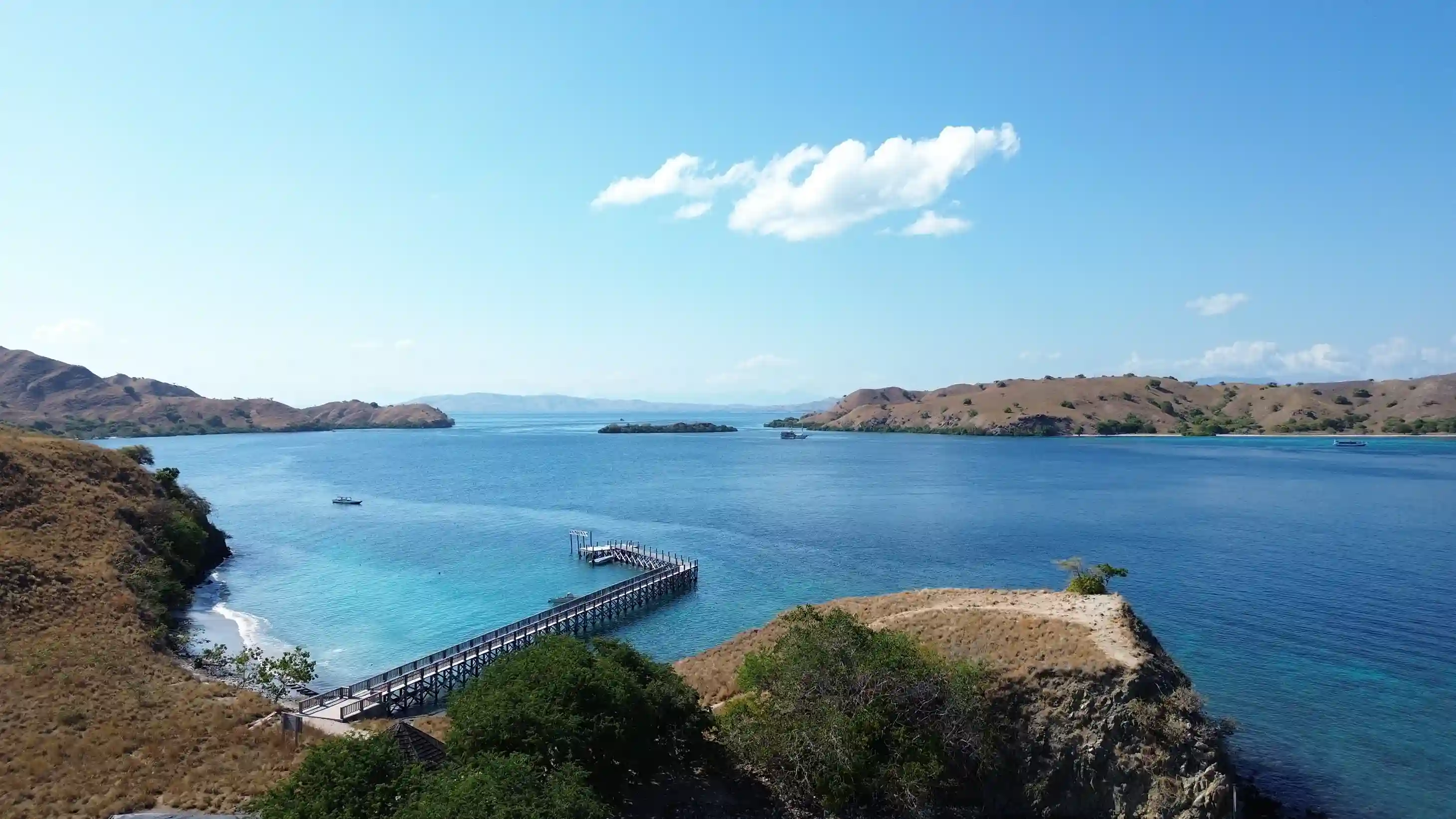
The sun warms your skin, a gentle breeze carries the scent of frangipani, and the turquoise expanse of the Indian Ocean beckons. You stand on Lombok’s pristine shore, the anticipation of sapphire depths and vibrant marine life a thrilling current beneath your skin. This is not merely a vacation; it is an immersion, a luxury expedition into the underwater world, beginning with your PADI certification. Preparing for your lombok diving course demands a curated approach, blending practicality with the refined sensibilities of a discerning traveler. Every item in your luggage should serve a purpose, enhancing your comfort, safety, and respect for this exquisite island and its submerged treasures.
The Tropical Climate & Marine Environment: Dressing for Paradise
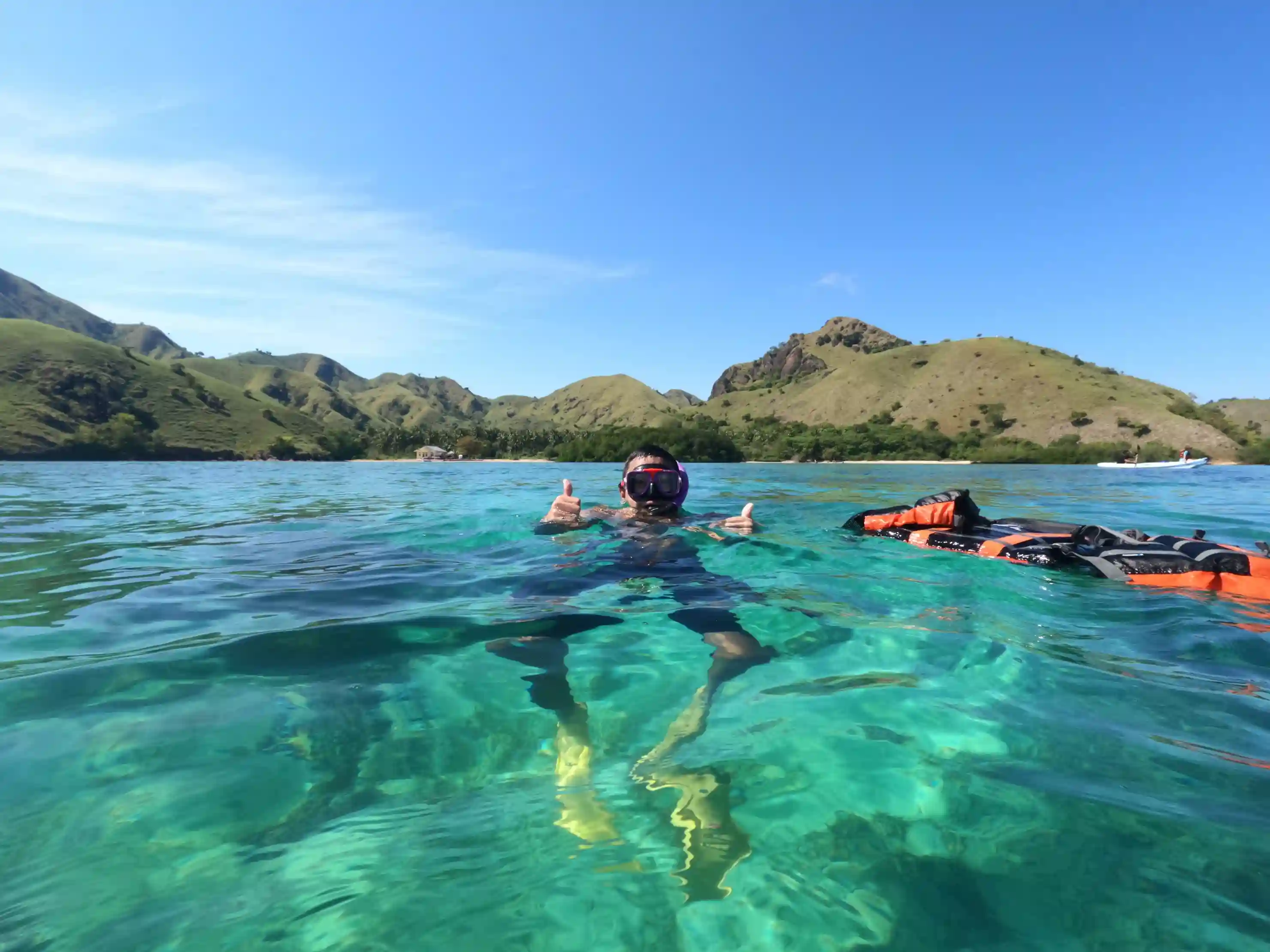
Lombok’s climate is a symphony of warmth and light, dictating a thoughtful packing strategy. The island experiences two primary seasons: the dry season from May to September, offering abundant sunshine and calm seas, and the wet season from October to April, characterized by short, intense rain showers. Average daytime temperatures consistently hover between 28-32°C (82-90°F), with humidity often reaching 80-90%. This tropical warmth necessitates lightweight, breathable fabrics. Think linen, organic cotton, and performance synthetics that wick moisture away efficiently. For optimal sun protection, particularly during surface intervals on the dive boat, UPF 50+ clothing is non-negotiable. Brands like Patagonia and Roxy offer stylish yet highly functional rash guards and long-sleeved tops that protect your skin from intense equatorial UV rays, which can be up to 12 times stronger than at higher latitudes. A wide-brimmed hat, perhaps a classic straw panama, provides shade for your face and neck, crucial for preventing sunstroke. Don’t forget a pair of high-quality polarized sunglasses; the glare off the water is significant. The water temperature for your lombok diving course typically ranges a comfortable 26-29°C (79-84°F) year-round, meaning thick wetsuits are rarely needed, but a 3mm shorty or even just a rash guard might be preferred for multiple dives or cooler days. Pack quick-drying swimwear, ideally two sets, allowing one to dry while you wear the other. This ensures you’re always ready for an impromptu dip or your next dive. Consider a lightweight sarong; it’s incredibly versatile as a beach cover-up, a towel, or even a makeshift skirt for quick temple visits. The average annual rainfall in Lombok is approximately 1,800 mm, concentrated mostly during the wet season, so a compact, waterproof jacket or poncho is a wise addition, even during the dry months, for unexpected downpours.
Diving Gear Essentials & Personal Comfort Underwater
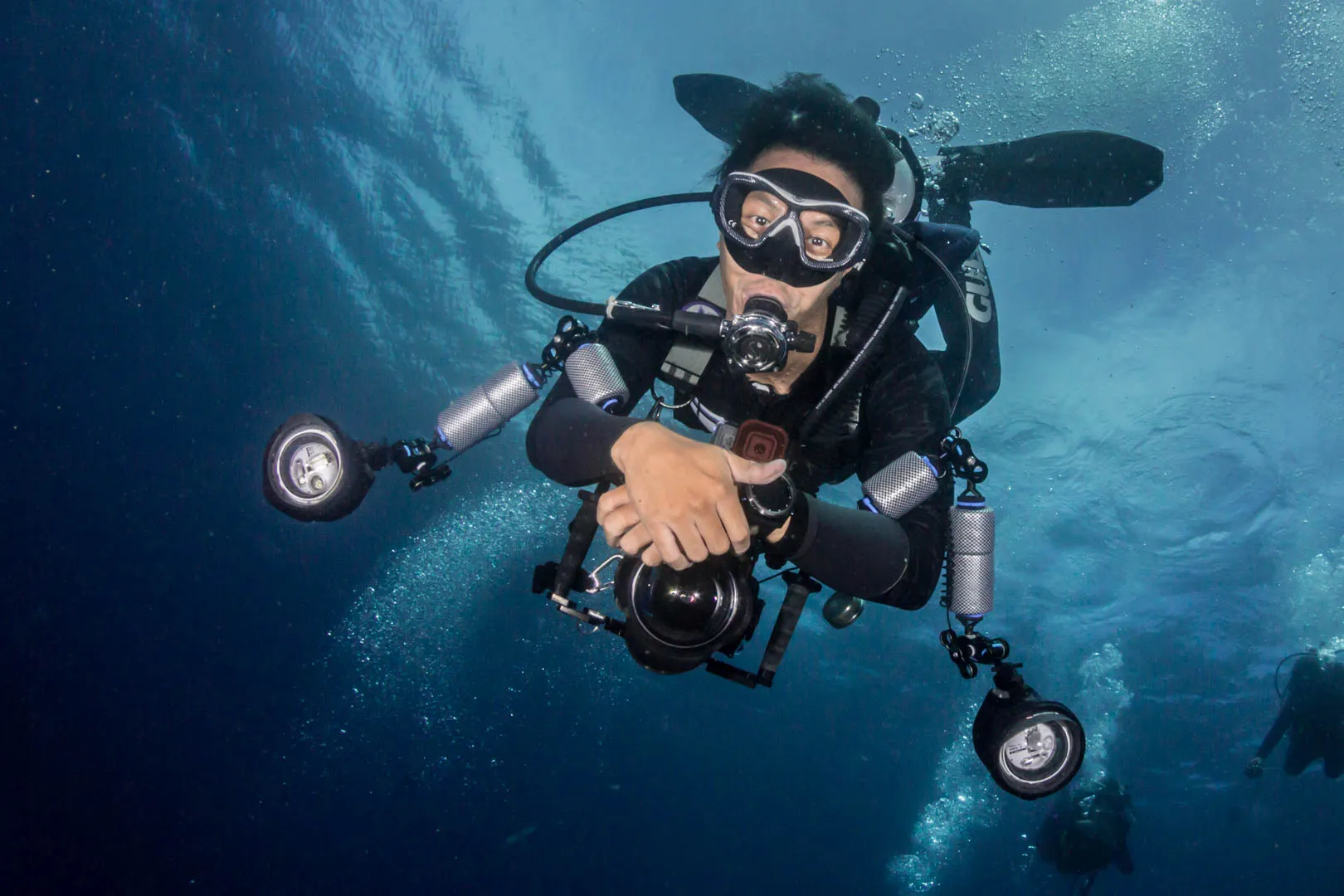
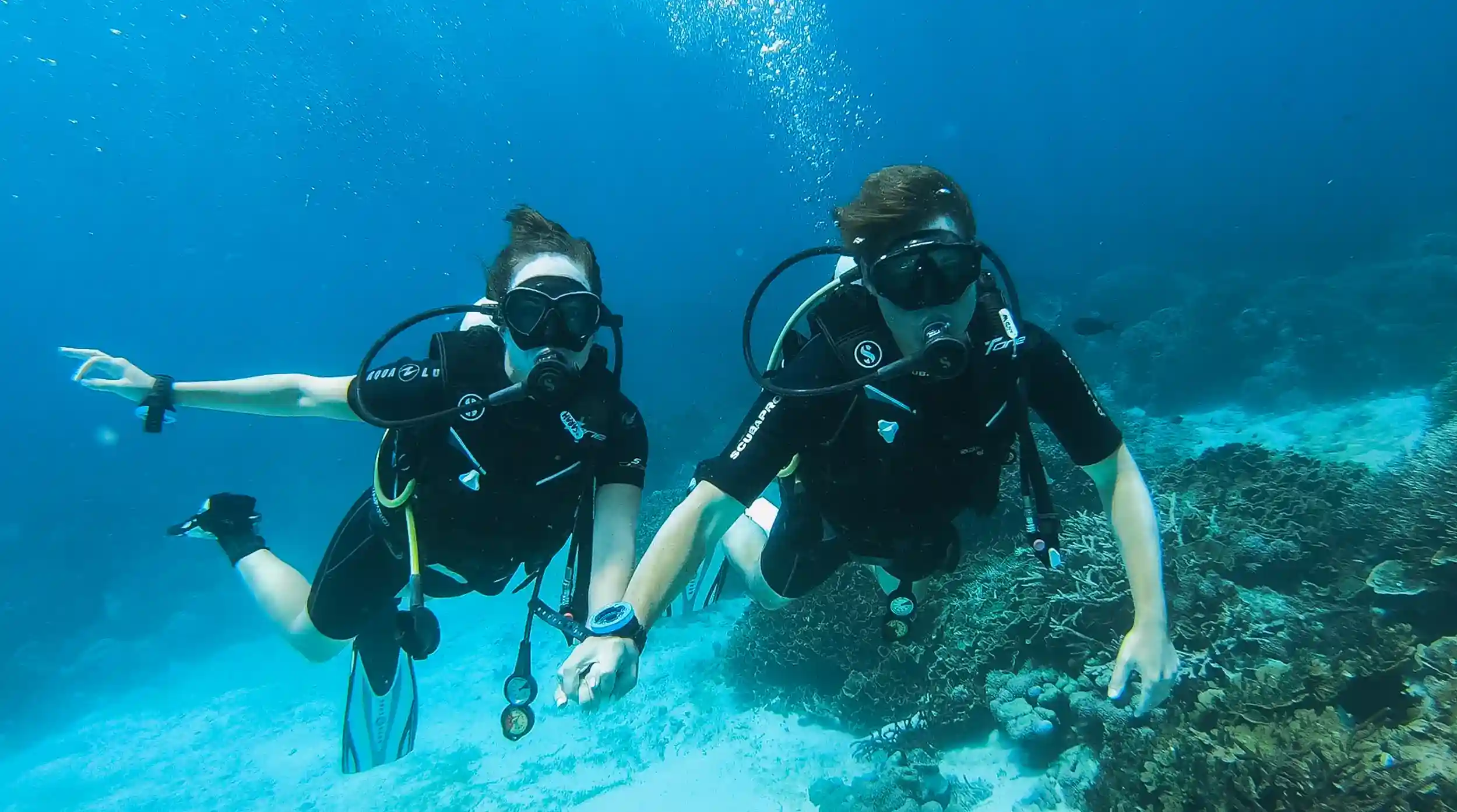
While reputable dive centers providing a lombok diving course offer comprehensive rental equipment, bringing certain personal items significantly enhances comfort and performance. A well-fitting mask is paramount; a leaky or uncomfortable mask can quickly detract from the magic of the underwater world. Brands like Scubapro, Aqua Lung, or Mares offer a range of high-quality silicone masks that seal comfortably. Consider a low-volume mask for easier clearing and wider peripheral vision. Similarly, your own snorkel, especially a dry-top model, ensures hygiene and familiarity. Fins are another personal preference; open-heel fins with boots are excellent for shore entries and provide better propulsion, while full-foot fins are lightweight and comfortable for boat dives. If you plan extensive diving beyond your initial course, investing in your own dive computer is a wise decision. Brands like Suunto and Shearwater offer intuitive models that track depth, bottom time, and no-decompression limits, becoming an indispensable safety tool. A personal logbook, beyond the digital records, offers a tangible memory of each dive, allowing you to record marine life sightings, dive buddies, and conditions. Many divers also prefer to bring their own wetsuits, even if just a thin 1.5mm or 3mm shorty, for a perfect fit and added warmth during extended periods in the water. This also provides a layer of protection against minor scrapes or stings. Remember to pack a mesh bag for your wet gear; it allows for air circulation and keeps your other belongings dry. The typical rental cost for a full set of dive gear in Lombok averages around IDR 150,000-250,000 per day (approximately $10-17 USD), but having your own mask and computer offers invaluable comfort and control. PADI standards emphasize safety and proper equipment use, making personal gear an asset to your learning experience.
Mask, Snorkel, & Fins: Your Personal Interface
The triumvirate of mask, snorkel, and fins forms your most intimate connection with the underwater realm. A mask that seals perfectly without constant adjustment is crucial for an enjoyable dive. Test various brands and styles before you travel, ensuring a snug fit against your face. For prescription lens wearers, many dive shops offer custom-made optical masks, a worthwhile investment. A comfortable, well-designed snorkel, perhaps with a purge valve and splash guard, prevents water ingress and makes surface swimming effortless. When choosing fins, consider your personal kicking style and the type of diving you’ll primarily do. Full-foot fins are lightweight and ideal for tropical boat diving, while adjustable open-heel fins with booties offer more versatility and protection for shore entries or walking on uneven surfaces. Brands like Cressi, TUSA, and Atomic Aquatics consistently receive high praise for their ergonomic designs and durability. Ensuring these three items fit you perfectly can transform your lombok diving course from merely educational to truly transcendent.
Dive Computer & Logbook: Tracking Your Underwater Journey
A personal dive computer is the brain of your diving operations, providing real-time data on depth, bottom time, ascent rates, and no-decompression limits. While rental computers are available, owning one ensures familiarity with its functions and settings, a critical safety advantage. Suunto, Shearwater, and Garmin are industry leaders, offering models ranging from basic recreational computers to advanced technical devices. For your PADI course, a user-friendly, air-integrated computer can be particularly beneficial. Paired with a waterproof logbook, this allows you to meticulously record each dive, noting marine life, visibility, water temperature, and air consumption. This serves not only as a record of your progress but also as a cherished journal of your underwater adventures. Many divers find immense satisfaction in reviewing their logbook entries, reliving the moments they spent exploring Lombok’s vibrant reefs. The PADI Open Water Diver course requires a minimum of four open water dives, each meticulously logged.
Beyond the Boat: Island Life & Cultural Sensitivity
Lombok is an island of incredible natural beauty, rich cultural traditions, and warm hospitality. While your focus is the lombok diving course, exploring the island’s interior, its villages, and its temples offers a profound counterpoint to the marine adventures. Packing with cultural sensitivity in mind is paramount. Lombok is predominantly Muslim, and while tourist areas are generally relaxed, modesty is appreciated, especially when visiting local communities, mosques, or temples. For women, this means covering shoulders and knees. Lightweight linen trousers, maxi skirts, and modest tops are perfect. Men should also opt for long shorts or trousers and collared shirts when venturing beyond the beach. A sarong, as mentioned, is an invaluable item for both men and women, easily draped over shoulders or wrapped around the waist for instant modesty. Footwear should be versatile: comfortable sandals (Birkenstock, Teva) for beach and casual wear, and perhaps a pair of lightweight closed-toe shoes or hiking sandals for exploring waterfalls or rice paddies. High heels are entirely impractical. Evenings in Lombok, whether dining at a luxury resort or a local restaurant, generally call for smart-casual attire. Think flowing dresses, tailored shorts, and light shirts. Elegant resort wear from brands like Orlebar Brown or Vilebrequin fits perfectly into the luxury tourism niche. Remember that some mosques may require women to cover their heads; a lightweight scarf is easily packed. The Sasak people, Lombok’s indigenous ethnic group, have a strong cultural identity, and respecting their traditions enriches your travel experience. Roughly 85% of Lombok’s population identifies as Muslim, underscoring the importance of respectful attire in non-tourist areas. Indonesia.travel provides further insights into local customs.
Health, Safety & Sustainability: Responsible Travel
A well-stocked personal first-aid kit is an absolute must, even when traveling with a luxury tour operator. Include basics like antiseptic wipes, band-aids, pain relievers (ibuprofen/paracetamol), anti-diarrhea medication (Loperamide), motion sickness tablets (Dramamine or Scop patch for divers), and rehydration salts. A course of broad-spectrum antibiotics, prescribed by your doctor, can be a lifesaver in remote areas. Mosquito repellent is crucial, especially during dawn and dusk. Choose DEET-free options like those with Picaridin or lemon eucalyptus oil if you prefer, particularly when considering the marine environment. While malaria risk in Lombok is generally low, dengue fever is present, making mosquito protection essential. A reusable water bottle (e.g., Grayl or Hydro Flask) is vital for staying hydrated in the tropical heat and significantly reduces plastic waste, a key aspect of sustainable tourism. Many resorts and dive centers offer filtered water refills. A universal travel adapter (Type C/F for Indonesia) and a portable power bank (Anker, RAVPower) will keep your devices charged. Sunscreen is non-negotiable, but choose reef-safe formulations that do not contain oxybenzone or octinoxate, chemicals known to harm coral reefs. Brands like Stream2Sea, Thinksport, and Raw Elements are excellent choices. Consider a small, dry bag to protect your valuables on the boat. Travel insurance, specifically covering diving activities and medical evacuation, is not just recommended but essential for any lombok diving course participant. Always carry copies of your passport, visa, dive certification (PADI card), and insurance details separately from the originals. The average daily water intake recommended in tropical climates is 3-4 liters, highlighting the importance of your reusable water bottle. Remember to pack any personal prescription medications in their original packaging, along with a doctor’s note, to avoid issues at customs. The World Health Organization offers country-specific health advice for Indonesia.
Technology & Documentation for the Discerning Diver
For the modern luxury traveler, technology seamlessly integrates with the adventure. An underwater camera is almost a prerequisite for capturing the breathtaking beauty of Lombok’s reefs. GoPros (Hero 11 or 12) are popular for their compact size and excellent video quality, often depth-rated to 10m (33ft) without a housing, and up to 60m (196ft) with a specialized dive housing. Olympus Tough series cameras are also renowned for their ruggedness and impressive underwater capabilities. Don’t forget extra batteries and memory cards; you’ll be surprised how quickly you fill them. A portable hard drive or cloud storage subscription is useful for backing up your precious footage. For navigation and communication, ensure your smartphone is protected in a waterproof case or pouch, especially on boat trips. Download offline maps of Lombok and useful translation apps (Google Translate) before you arrive. Essential documents include your passport (with at least six months validity from your entry date), any required visa (Indonesia offers visa-on-arrival for many nationalities, costing approximately IDR 500,000 or $35 USD), your PADI certification card, and comprehensive travel insurance details. Keep digital copies of all important documents on your phone and in a cloud service. A small, lightweight laptop or tablet can be useful for reviewing photos, staying connected, and planning your next adventure beyond your lombok diving course. Consider a universal power strip if you have multiple devices, as wall outlets can be limited. The average battery life of a GoPro Hero 12 is around 150 minutes, making extra batteries a must for a full day of diving. For those interested in exploring Lombok’s luxury accommodations after their course, a tablet or laptop is perfect for browsing Lombok’s premier resorts.
The Post-Dive Ritual: Comfort & Care
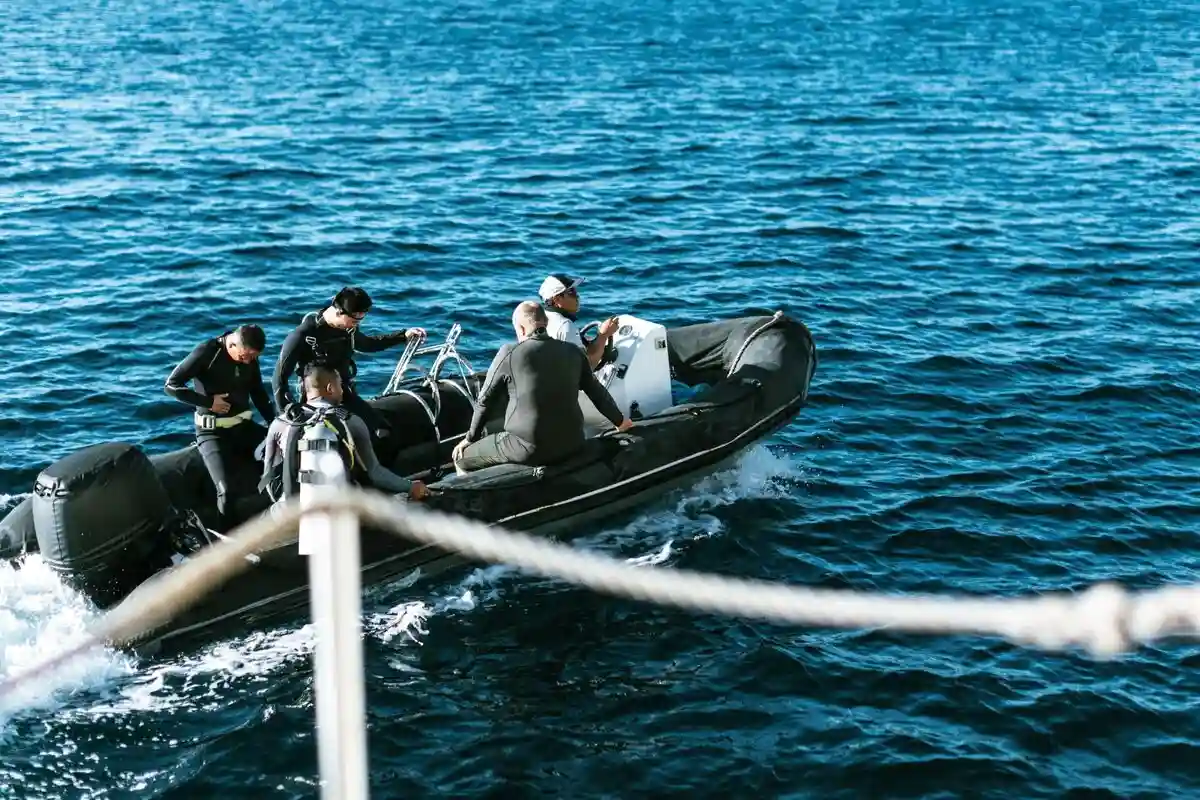
The transition from the cool embrace of the ocean to the tropical air often brings a slight chill, especially after multiple dives. A lightweight, quick-drying towel (microfiber is excellent for its absorbency and compact size) is essential for drying off on the boat. Brands like Dock & Bay or Nomadix offer stylish and functional options. Pack a warm, comfortable layer for after your dives—a soft hoodie, a light fleece, or even a cashmere wrap for an added touch of luxury. This helps regulate your body temperature and prevents any post-dive shivers. After hours of sun and saltwater exposure, your skin and hair will appreciate some pampering. A good quality, reef-safe moisturizer and after-sun lotion (e.g., Aesop, Drunk Elephant) will soothe and hydrate your skin. Hair conditioner, leave-in treatments, and a wide-tooth comb are invaluable for managing salt-tangled hair. Consider packing a small, travel-sized bottle of anti-frizz serum. For your luggage itself, choose something lightweight, durable, and easily maneuverable. Soft-sided bags or duffels are often more practical for island travel, especially when navigating smaller boats or local transport. Rimowa and Tumi offer excellent luxury options that balance durability with sophisticated design. Don’t forget a separate bag for laundry, especially for those damp, salty items. A typical dive session, including surface intervals, can last 2-3 hours, making these post-dive comforts particularly welcome. Ensuring your personal care routine is catered for allows you to fully relax and reflect on the incredible experiences of your lombok diving course.
As you meticulously pack for your lombok diving course, remember that each item contributes to an experience designed for discovery and indulgence. From the moment you feel the warm Indonesian sun on your face to your final descent into the vibrant coral gardens, every detail matters. This curated guide ensures you arrive not just prepared, but poised for an unparalleled adventure, ready to embrace the depths and the delights of Lombok. Chart your course, pack with intention, and prepare to unlock the ocean’s secrets. Your extraordinary journey begins now.