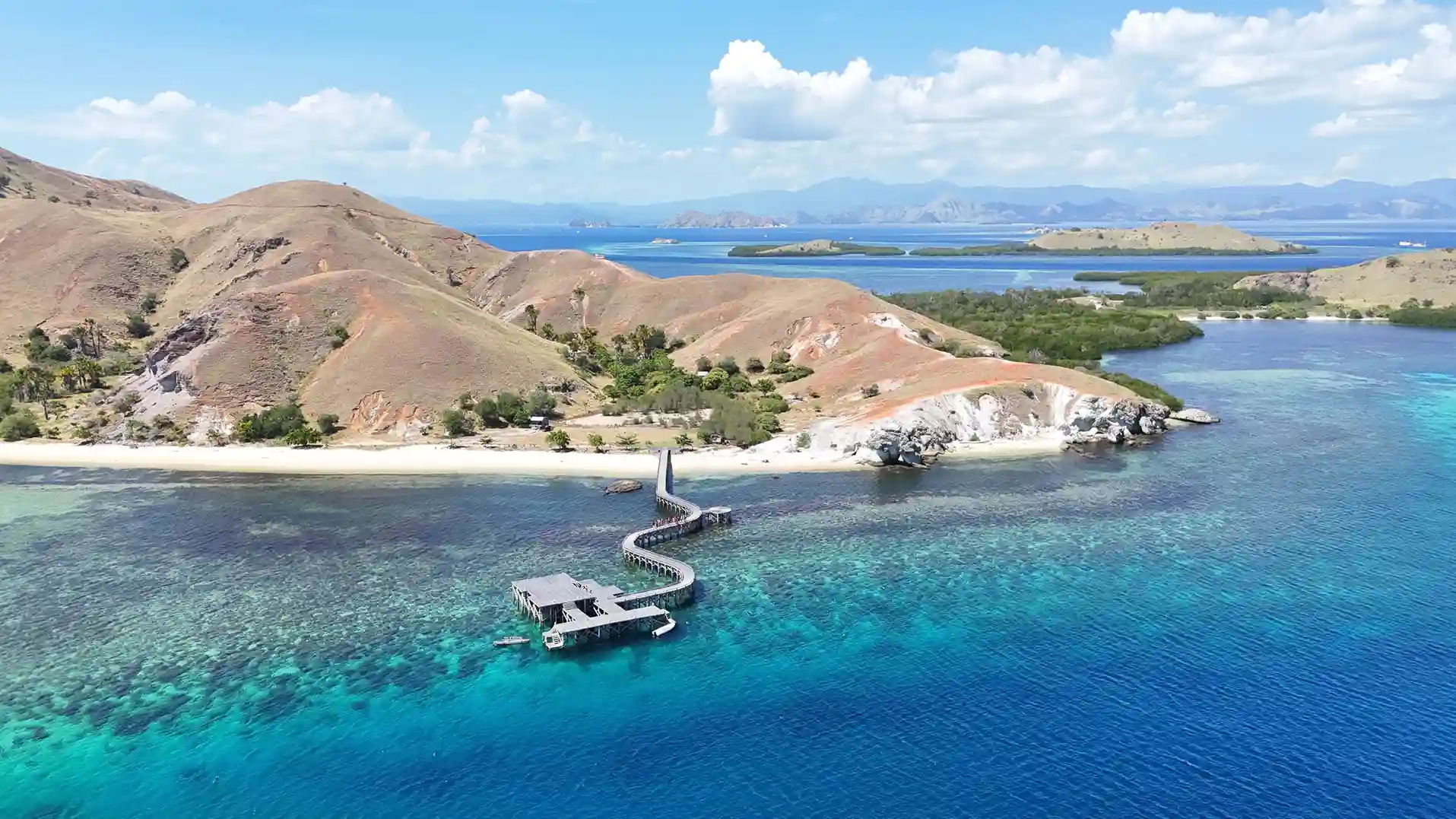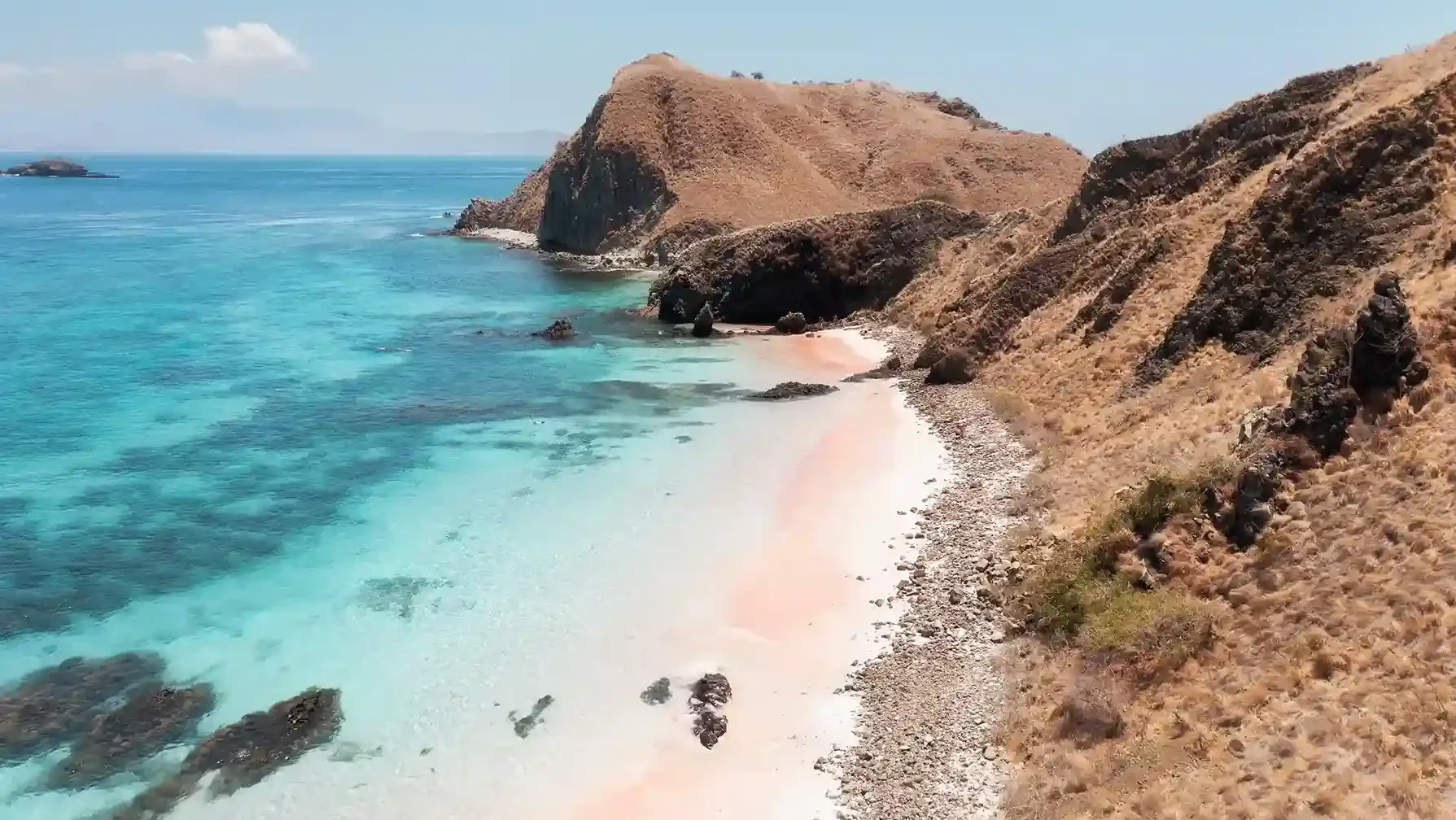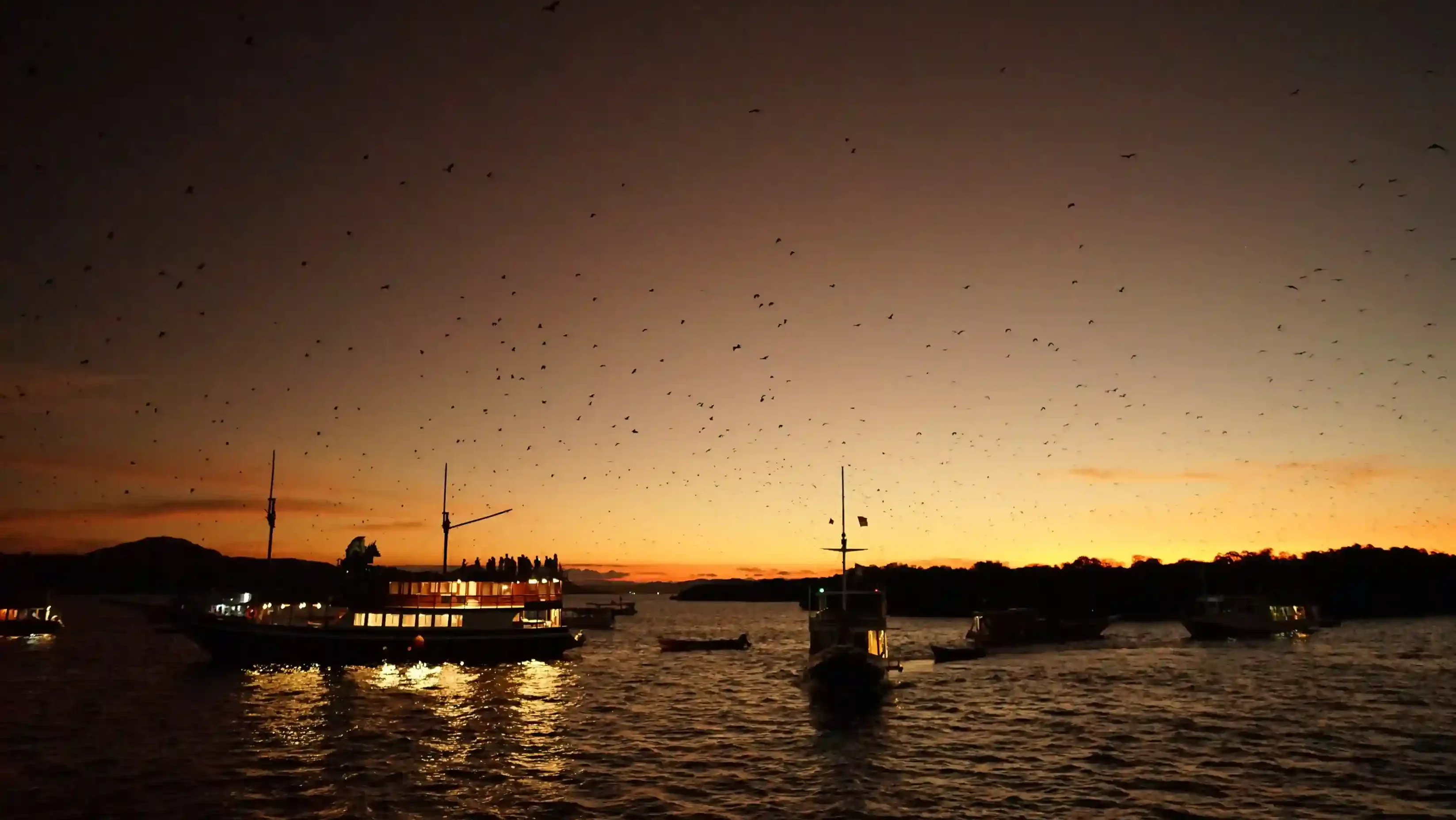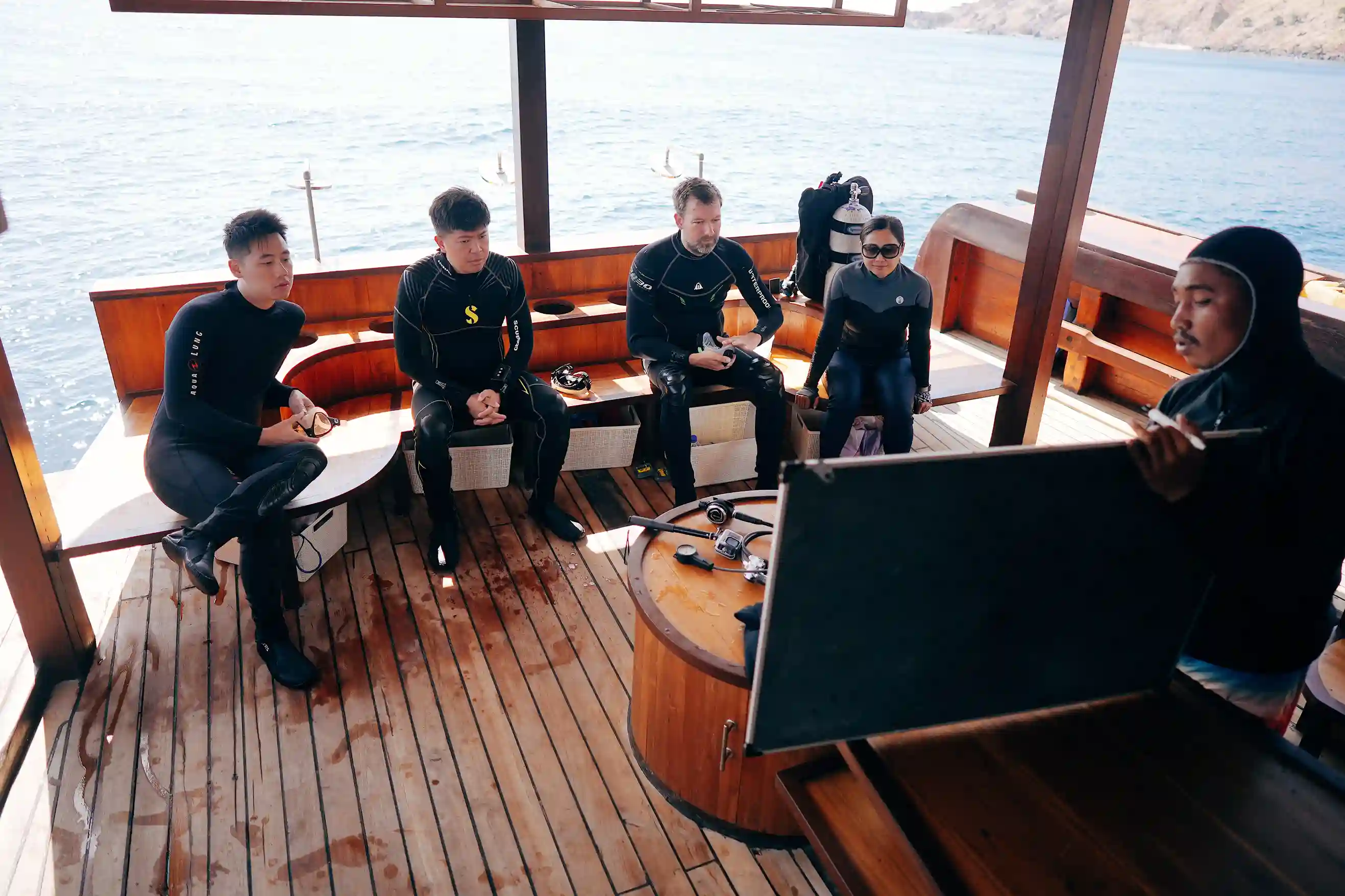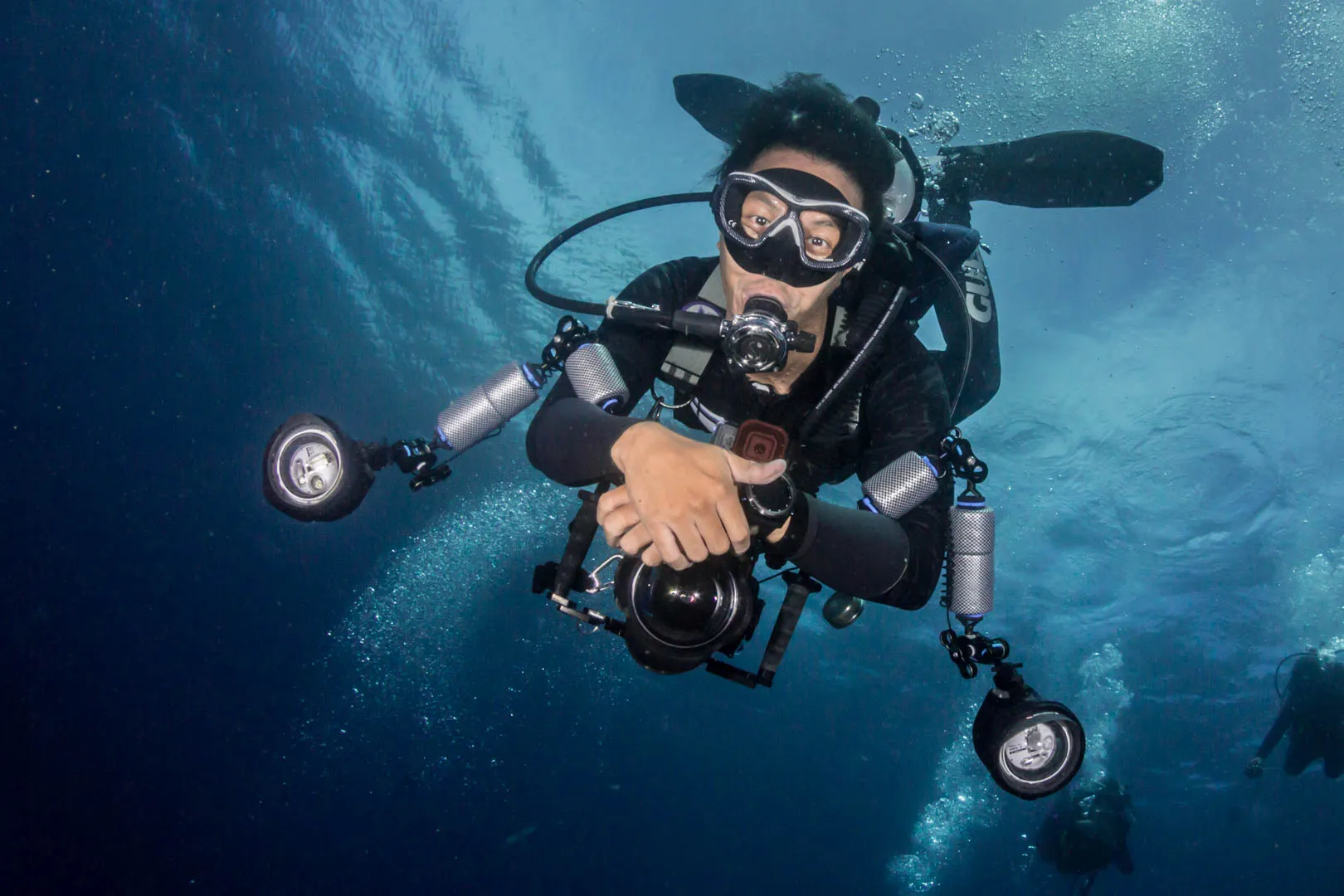
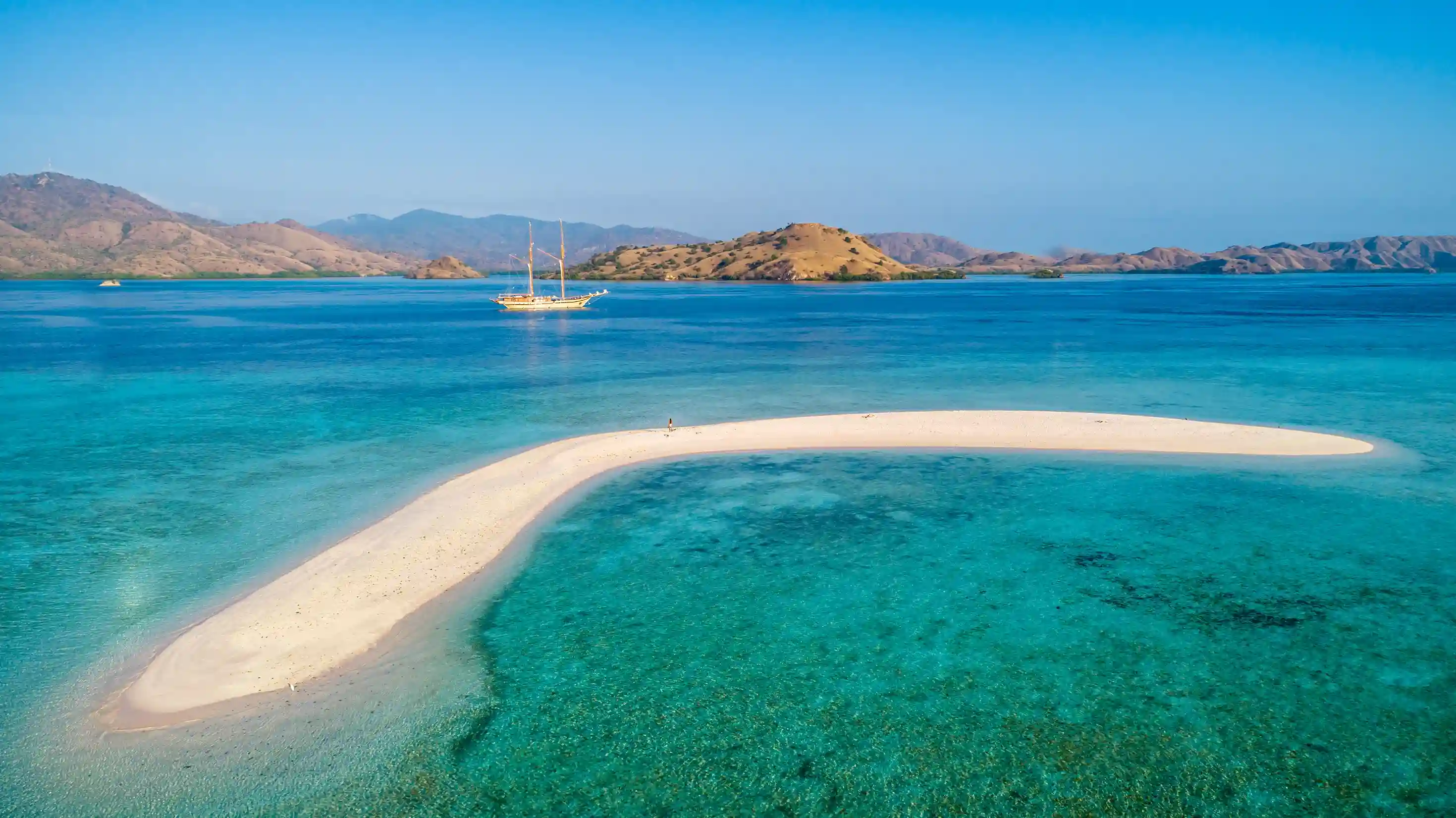
The optimal period for a lombok diving course, particularly for PADI certifications, spans from May to September. During these dry season months, Lombok experiences minimal rainfall, resulting in exceptional underwater visibility often exceeding 25 meters, calm surface conditions, and consistently warm water temperatures averaging 28°C. This combination creates an ideal learning environment for new divers and a pristine exploration ground for certified enthusiasts.
- Peak Visibility: May to September offers clarity up to 30 meters.
- Calm Conditions: Surface waters are placid, perfect for training.
- Warm Water: Enjoy average temperatures of 27-29°C year-round.
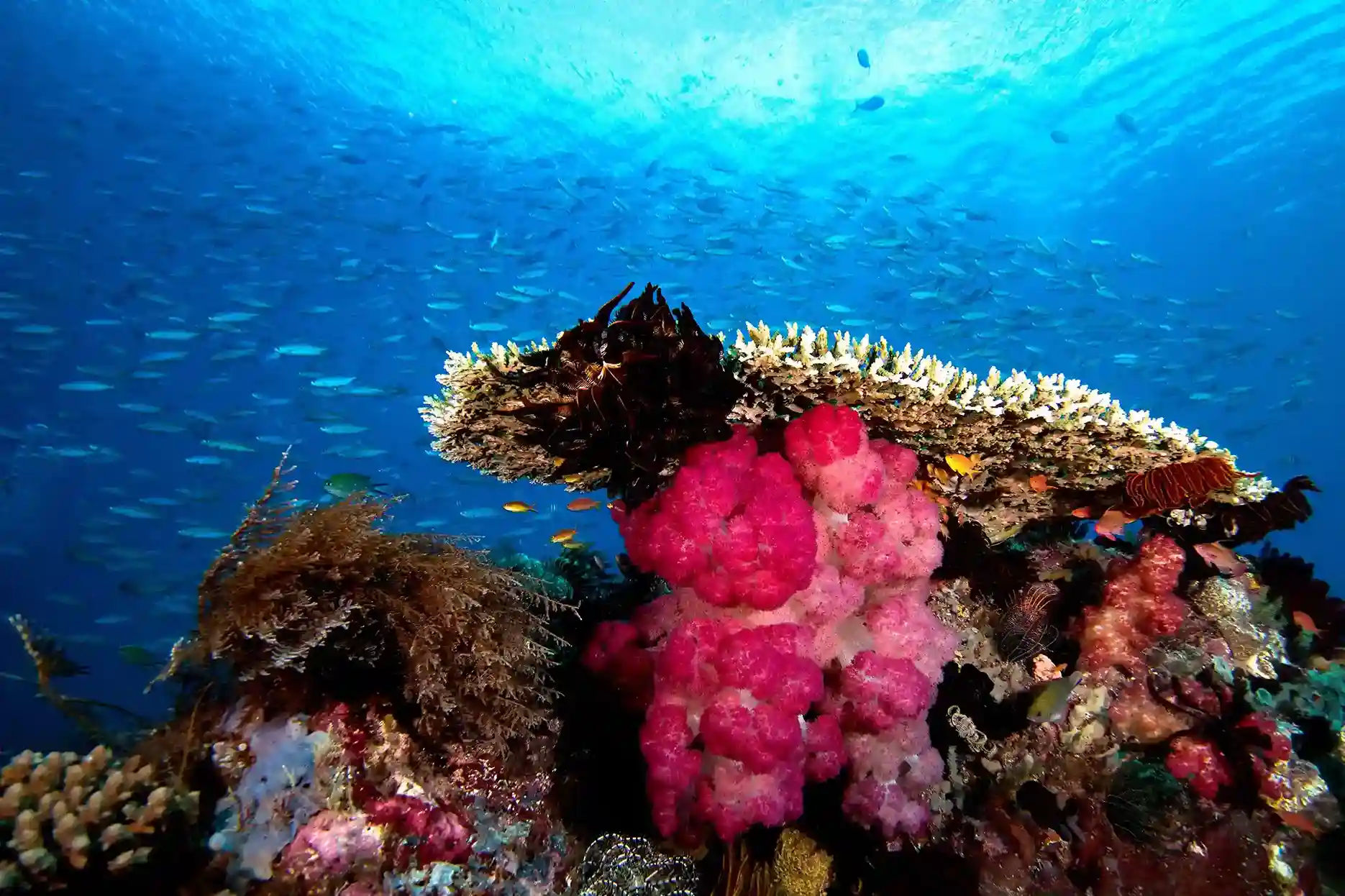
The sun-drenched surface shimmers, a gentle breeze whispers through coconut palms, and beneath the turquoise expanse, a vibrant world awaits. You descend into the inviting warmth of the Indonesian Sea, the gentle thrum of the boat engine fading as you equalize, the light filtering through crystalline water to reveal a kaleidoscope of coral. A curious reef shark glides by, indifferent to your presence, while a school of fusiliers dances in unison. This is the promise of Lombok, an island where every breath underwater feels like a discovery. But when does this magic truly align for the ultimate lombok diving course? Understanding the seasonal rhythms of this tropical paradise is key to unlocking an experience that transcends mere instruction, transforming it into an indelible journey.
The Dry Season Zenith: May to September
Lombok’s dry season, stretching from May through September, represents the pinnacle for any dive enthusiast, especially those embarking on a PADI certification. During these months, the island is blessed with consistently clear skies, minimal rainfall, and the most stable ocean conditions. Surface chop is rare, making boat journeys between dive sites incredibly smooth, a significant comfort for those prone to seasickness or simply seeking a tranquil experience. Underwater, visibility frequently extends beyond 25 meters, often reaching an astonishing 30 meters or more on exceptional days. This clarity is paramount for learning, allowing new divers to easily track their instructors, observe marine life, and confidently master essential skills without the distraction of murky waters.
Water temperatures remain delightfully warm, typically hovering between 27°C and 29°C, meaning a 3mm wetsuit or even just a rash guard might suffice for extended dives, enhancing comfort and reducing the need for bulky gear. The prevailing easterly winds during this period contribute to the calm leeward conditions around the Gili Islands and Lombok’s west coast, where many premier dive centers are located. This period also coincides with the peak season for pelagic sightings; manta rays are more frequently observed, particularly at sites like Manta Point, and the chances of encountering reef sharks and various schooling fish are heightened. While it’s the busiest time for tourism, the sheer quality of the diving conditions makes it undeniably the best time to undertake a lombok diving course and explore the vibrant underwater tapestry.
Optimal Visibility and Calm Seas
From June to August, the dry season truly hits its stride. Visibility can reach up to 30 meters, offering unparalleled views of coral gardens and diverse marine ecosystems. The sea state is typically flat, providing ideal conditions for beginners practicing buoyancy and navigation. Dive centers operate at full capacity, offering multiple daily trips and a wide range of PADI courses, from Open Water to Divemaster. Air temperatures average 30°C, complementing the warm water. Booking a lombok diving course during this window ensures minimal environmental interference, allowing for maximum focus on skill acquisition and marine observation. Luxury resorts offer tailored packages, often including private instruction and exclusive boat charters, for a truly bespoke experience.
Shoulder Season Secrets: April & October
For those seeking a balance between excellent conditions and fewer crowds, the shoulder months of April and October present an enticing alternative. These transitional periods bridge the dry and wet seasons, often delivering a “best of both worlds” scenario. In April, the tail end of the wet season gives way to increasing sunshine and calmer seas. Rainfall becomes sporadic and generally confined to short, afternoon showers, which rarely impact dive schedules. Underwater visibility remains very good, typically ranging from 15 to 25 meters, and water temperatures hold steady at a comfortable 28°C. The marine life is still abundant, with a vibrant array of reef fish and macro creatures thriving. As the peak dry season approaches, dive sites are noticeably less crowded than in July or August, allowing for a more intimate experience both above and below the surface.
October, on the other hand, marks the transition from the dry season into the preliminary stages of the wet season. The weather remains predominantly sunny, though the occasional rain shower might begin to appear towards the end of the month. Visibility is still excellent, averaging 20-25 meters, and the seas are generally calm. What makes October particularly appealing is the significant decrease in tourist numbers following the European summer holidays. This means more personalized attention from instructors during your lombok diving course, shorter waiting times for equipment, and often more flexible scheduling. Accommodation and dive packages can also see a slight reduction in price compared to the peak months, offering a compelling value proposition for luxury travelers looking for a premium experience without the premium crowds. Expect air temperatures around 31°C, making surface intervals equally enjoyable.
The Wet Season’s Hidden Charms: November to March
While often perceived as less ideal, Lombok’s wet season, spanning from November to March, holds its own unique allure for the discerning diver. This period is characterized by higher rainfall, which typically manifests as intense, short-lived tropical downpours rather than continuous, all-day rain. These showers, primarily occurring in the afternoons, rarely disrupt morning dive schedules. The most notable advantage of the wet season is the significantly reduced tourist traffic. Dive sites, which might see multiple boats during peak dry season, are often deserted, offering an unparalleled sense of solitude and discovery. This quieter environment can lead to more relaxed and personalized lombok diving course experiences, with instructors able to dedicate more individual attention.
Underwater, the increased runoff from the land can reduce visibility, particularly closer to shore, sometimes to 10-15 meters. However, offshore sites frequently maintain decent visibility, and the slightly warmer water temperatures (often reaching 29-30°C) are a welcome comfort. Critically, the wet season can bring unique marine encounters. The nutrient-rich waters sometimes attract larger pelagics, with sporadic sightings of whale sharks reported in areas like Belongas Bay, though these remain rare and unpredictable. This period is also fantastic for macro photography, as fewer divers mean less disturbance to smaller, shyer creatures like nudibranchs, frogfish, and pygmy seahorses. For the budget-conscious luxury traveler, the wet season offers the most attractive pricing windows for flights, accommodation, and lombok diving course packages, often seeing discounts of 15-20% compared to peak season rates. It’s a time for adventurous souls seeking tranquility and unexpected discoveries beneath the waves. Consider March as a transition month, where the rain begins to subside, offering improving conditions and continued value.
Macro Marvels and Uncrowded Sites
From December to February, despite the rain, the underwater world is teeming with life. The warmer water encourages unique breeding behaviors among smaller species, making it a prime time for observing intricate macro life. Dive sites around the Gili Islands and Lombok are practically empty, offering a serene diving experience. This is an excellent time for advanced divers to focus on specific photography goals or for beginners to gain confidence without the pressure of other groups. Local knowledge becomes even more valuable, with experienced instructors guiding you to the best spots regardless of the weather. For instance, sites like Secret Garden near Gili Meno can reveal rare critters in absolute peace. An average 2-tank dive trip might cost around IDR 1,200,000 during this period, a notable saving.
Marine Life Calendar: What to Expect When
Lombok’s diverse marine ecosystems offer a spectacular array of life year-round, but specific seasons can enhance the likelihood of encountering certain species. Understanding this calendar helps tailor your lombok diving course experience to your personal interests, whether you’re fascinated by massive pelagics or captivated by intricate macro life.
During the **dry season (May to September)**, the clear, calm waters are ideal for spotting larger inhabitants. This is prime time for **manta rays**, particularly at renowned sites like Manta Point off Nusa Penida (accessible via a day trip from Lombok) and sometimes around Lombok’s southern coast. Reef sharks, including blacktip and whitetip, are consistently present, patrolling the vibrant reefs. Schools of barracuda, trevally, and snapper are often seen in impressive numbers, creating dynamic underwater spectacles. Turtles – green, hawksbill, and loggerhead – are ubiquitous throughout the year but seem particularly active and visible in the dry season’s pristine conditions. Sites such as Shark Point and Coral Fan Garden become bustling hubs of marine activity, offering incredible opportunities for observation during your PADI training dives. Expect to see at least 3-5 different species of nudibranchs on an average dive.
The **shoulder months (April & October)** bridge these experiences. As the water begins to warm or cool, depending on the month, there’s a good mix. You might still encounter mantas and sharks, but there’s a noticeable increase in macro life as the reefs recover from peak season activity. It’s an excellent time for observing reef fish in their natural, less disturbed habitats. In October, towards the end of the dry season, the water can be particularly nutrient-rich, sometimes attracting larger, less common species as they migrate. You might spot a rare eagle ray or a passing mobula school. The chances of spotting a rare blue-ringed octopus are slightly higher with fewer divers around. Consider a day trip to the south of Lombok, such as Belongas Bay, for more adventurous diving and a higher chance of encountering hammerheads in specific conditions, though this requires advanced certification.
The **wet season (November to March)**, despite reduced visibility, is a treasure trove for macro enthusiasts and those seeking unique encounters. The slightly warmer, more nutrient-rich water can attract specific species. This is often considered the best time for **frogfish, ghost pipefish, and various species of nudibranchs** as they are less disturbed by diver traffic. While rare, whale shark sightings, though unpredictable, have historically occurred more frequently during these months, particularly in the deeper, nutrient-rich waters of southern Lombok. It’s also a fantastic time to observe juvenile reef fish and intricate invertebrate life. The quiet dive sites allow for prolonged observation periods, perfect for underwater photographers. You could spend 10 minutes observing a single pygmy seahorse on a gorgonian without interruption. A local dive guide with an intimate knowledge of the reef is invaluable during this period to point out the hidden gems.
Navigating Crowds and Costs: A Strategic Approach
The timing of your lombok diving course significantly impacts not only the underwater conditions but also the overall experience in terms of crowds and financial investment. Strategic planning can yield substantial benefits, whether you prioritize solitude or seek the best possible value for your luxury adventure.
The **dry season (May to September)**, particularly July and August, represents Lombok’s peak tourism period. During these months, dive centers, luxury resorts, and popular restaurants operate at full capacity. Expect dive boats to be well-filled, and the more famous dive sites, especially around the Gili Islands, will see multiple groups exploring simultaneously. While this doesn’t detract from the beauty of the reef, it does mean less personal space underwater and potentially longer waits for equipment or instructor availability. Prices for everything—flights, accommodation, and PADI Open Water courses—are at their highest. A typical 3-day PADI Open Water course might cost around IDR 6,000,000 to IDR 7,500,000, and a luxurious beachfront villa could easily exceed IDR 3,000,000 per night. Booking well in advance, often 3-6 months ahead, is crucial to secure your preferred options and potentially mitigate some of the price increases. High season surcharges on flights from major international hubs like Singapore or Kuala Lumpur can be 10-15% higher.
The **shoulder seasons (April & October)** offer a sweet spot for balancing crowd avoidance with excellent conditions and more favorable pricing. In April, as the wet season recedes, crowds are still manageable, and you might find accommodation discounts of 5-10%. Dive course prices typically remain standard but with better availability. October, following the European summer, sees a noticeable drop in tourist numbers. Dive sites become significantly less crowded, and resorts often begin to offer attractive packages to entice travelers before the full onset of the wet season. You could find a lombok diving course for IDR 5,500,000 and luxury accommodations at 15% below peak rates. This period allows for a more relaxed pace and often more personalized service.
The **wet season (November to March)** is unequivocally the period for the most significant savings and the greatest solitude. With fewer tourists, prices for flights, villas, and dive packages can drop by 20-30% compared to peak season. A PADI Open Water course might be available for as little as IDR 4,800,000, and luxury resorts frequently offer long-stay promotions or added value inclusions. Dive sites are often yours to explore with just your instructor and dive buddy, creating an incredibly exclusive feeling. While weather can be a factor, the financial benefits and the serene atmosphere make it a compelling choice for the savvy luxury traveler who values privacy and a more authentic, unhurried experience. Indonesia.travel often highlights these seasonal variations in regional tourism trends.
Preparing for Your Lombok Dive Expedition
Embarking on a lombok diving course is more than just booking a flight; it’s about curating an experience. For the luxury traveler, preparation ensures seamless transitions and maximum enjoyment, regardless of the season. Begin by selecting a PADI-certified dive center with a reputation for excellence, safety, and personalized service, often affiliated with high-end resorts. Research their instructor-to-student ratios, boat facilities, and commitment to marine conservation. Many luxury resorts on Lombok’s west coast, near the Gili Islands, offer on-site PADI centers, providing unparalleled convenience and comfort.
Consider completing your PADI e-learning modules online before you arrive. This streamlines the academic portion of your Open Water or Advanced Open Water course, allowing you to dedicate more precious vacation time to in-water training and exploration. This can shave off a full day of classroom time, freeing you to relax by the pool or enjoy a spa treatment. Ensure your travel insurance covers diving activities, a crucial detail often overlooked. Pack light, quick-drying clothing, reef-safe sunscreen, and a wide-brimmed hat. While dive centers provide equipment, serious divers might prefer to bring their own mask, fins, and dive computer for optimal comfort and familiarity. Water temperatures are consistently warm, so a 3mm shorty wetsuit is usually sufficient, even in the wet season.
Beyond the dive gear, remember Lombok’s unique charm extends beyond its reefs. Allocate time to explore the island’s volcanic landscapes, pristine beaches, and vibrant local culture. A visit to Mount Rinjani’s foothills or the traditional Sasak villages offers a rich complement to your underwater adventures. Familiarize yourself with local customs and currency (Indonesian Rupiah). Most luxury establishments accept credit cards, but smaller vendors may prefer cash. Finally, maintain open communication with your chosen dive center regarding your skill level, expectations, and any specific marine life you hope to encounter. This proactive approach ensures your Lombok diving course is not just a certification but a truly bespoke and memorable journey into the heart of Indonesia’s underwater wonders. For more details on PADI courses, visit the PADI official website.
As the final bubbles ascend and you break the surface, the sun warm on your face, the memories of vibrant reefs and serene marine encounters linger. Lombok offers a year-round invitation to its underwater realm, each season presenting its own unique character and charm for the discerning diver. Whether you seek the crystalline clarity of the dry season, the peaceful solitude of the wet season, or the balanced appeal of the shoulder months, the time is now to chart your course. Begin your PADI journey, deepen your skills, or simply immerse yourself in the unparalleled beauty that awaits beneath Lombok’s waves. Your next great adventure, your ultimate lombok diving course, is ready to unfold. Contact us today to tailor your perfect dive expedition and discover the magic for yourself.