
January – March
Wet season · visibility 10–20 m · 29–30 °C
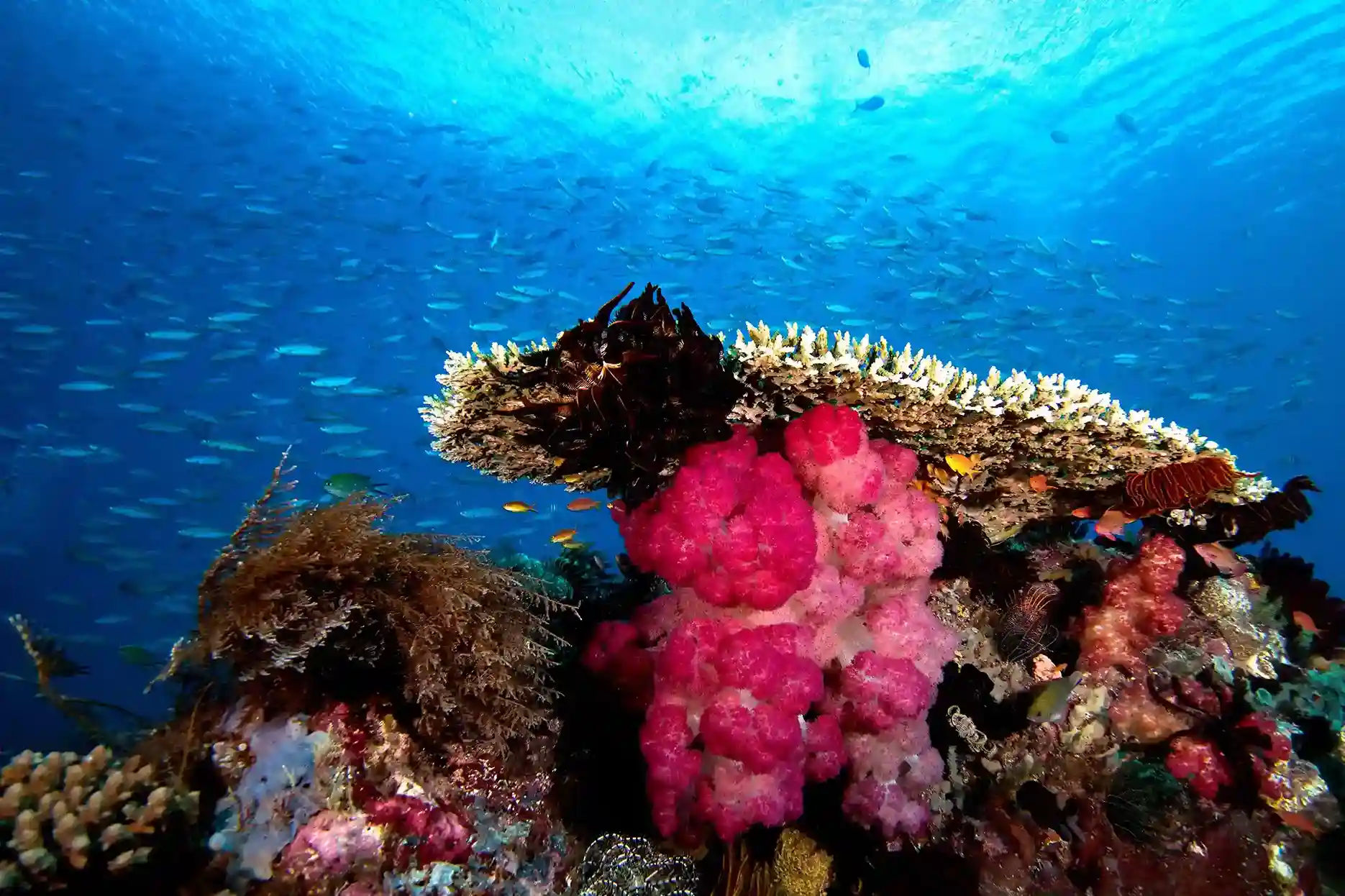
Peak macro. Nudibranchs and pipefish are at their densest, green turtles nest on the beaches at night, and eagle rays turn up more often than the rest of the year.
Meno Wall, Hans Reef
Silo · Comparison
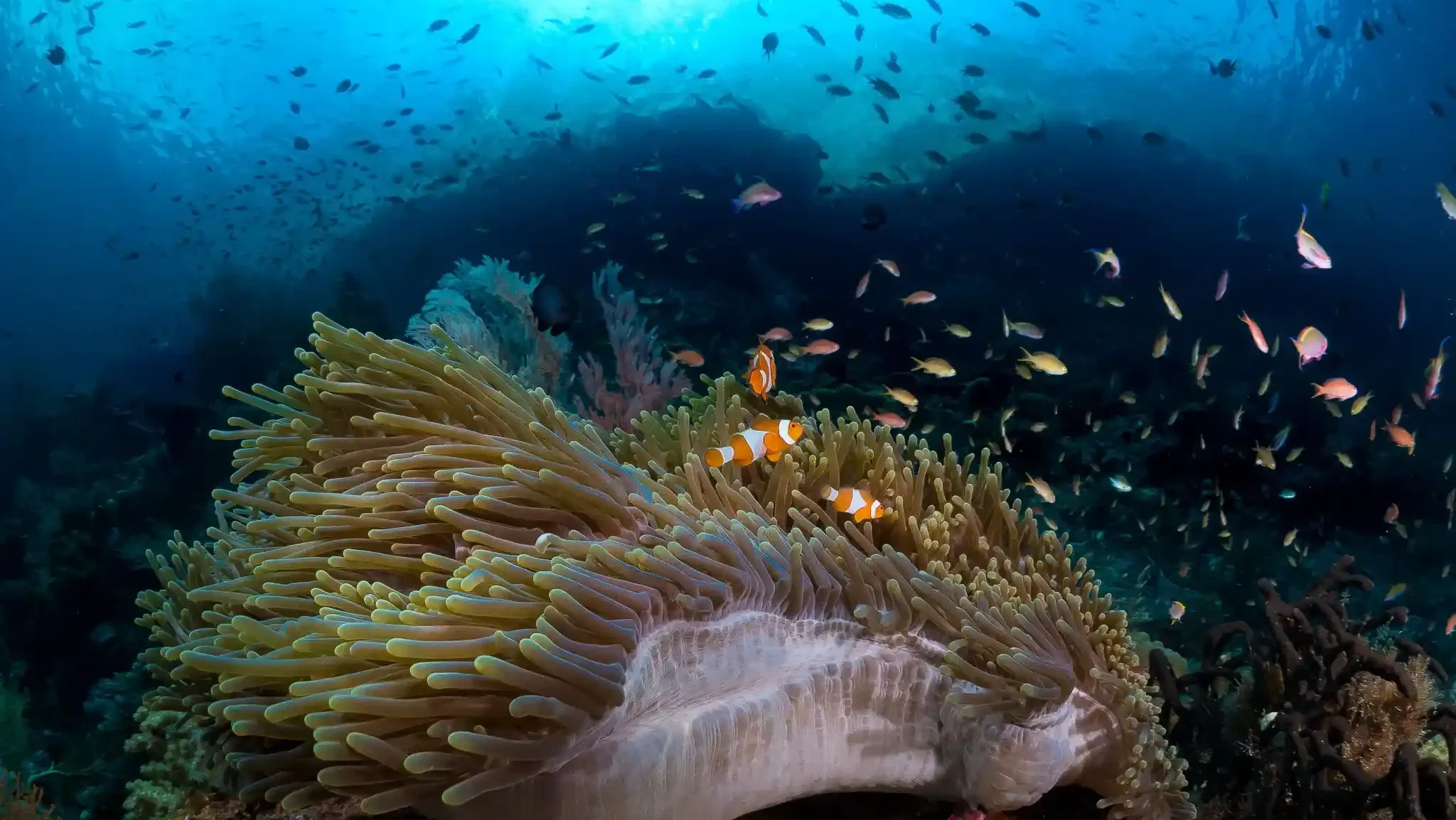
Turtles are resident and reef sharks patrol year round, but nudibranchs peak in March, bumphead parrotfish school at sunrise in August, and plankton brings the filter feeders in October. This is what to expect when.
The calendar
The same twenty sites behave differently across the year. Nothing here is guaranteed — it is what the reef reliably does.
Wet season · visibility 10–20 m · 29–30 °C
Peak macro. Nudibranchs and pipefish are at their densest, green turtles nest on the beaches at night, and eagle rays turn up more often than the rest of the year.
Meno Wall, Hans Reef
Shoulder · visibility clearing to 20 m+ · 28–29 °C
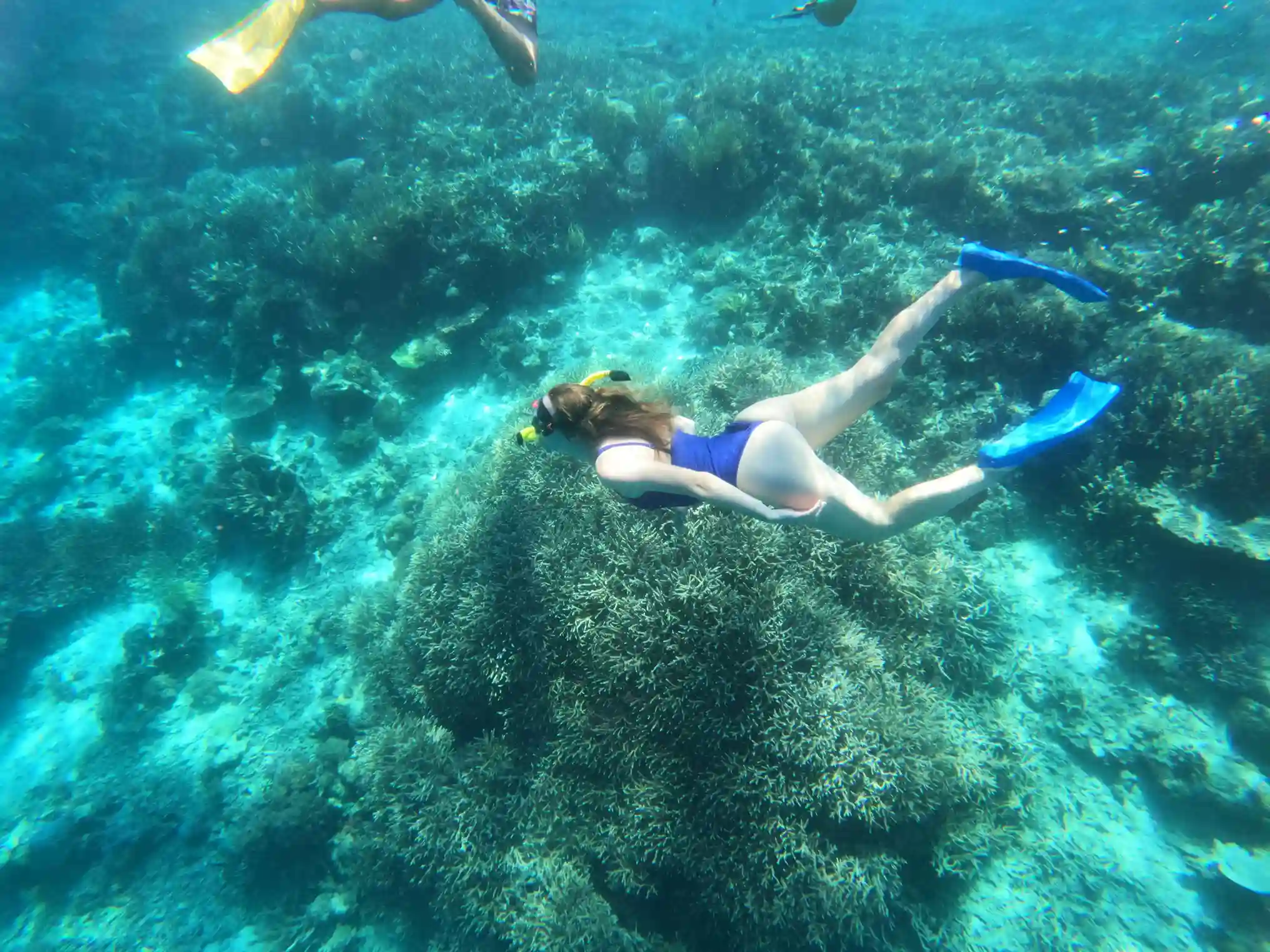
Visibility improves fast. Coral spawning can follow the full moon, and it is cuttlefish mating season — Simon's Reef gets noticeably busy.
Simon's Reef, Halik
Dry season · visibility 25–30 m · 27–28 °C
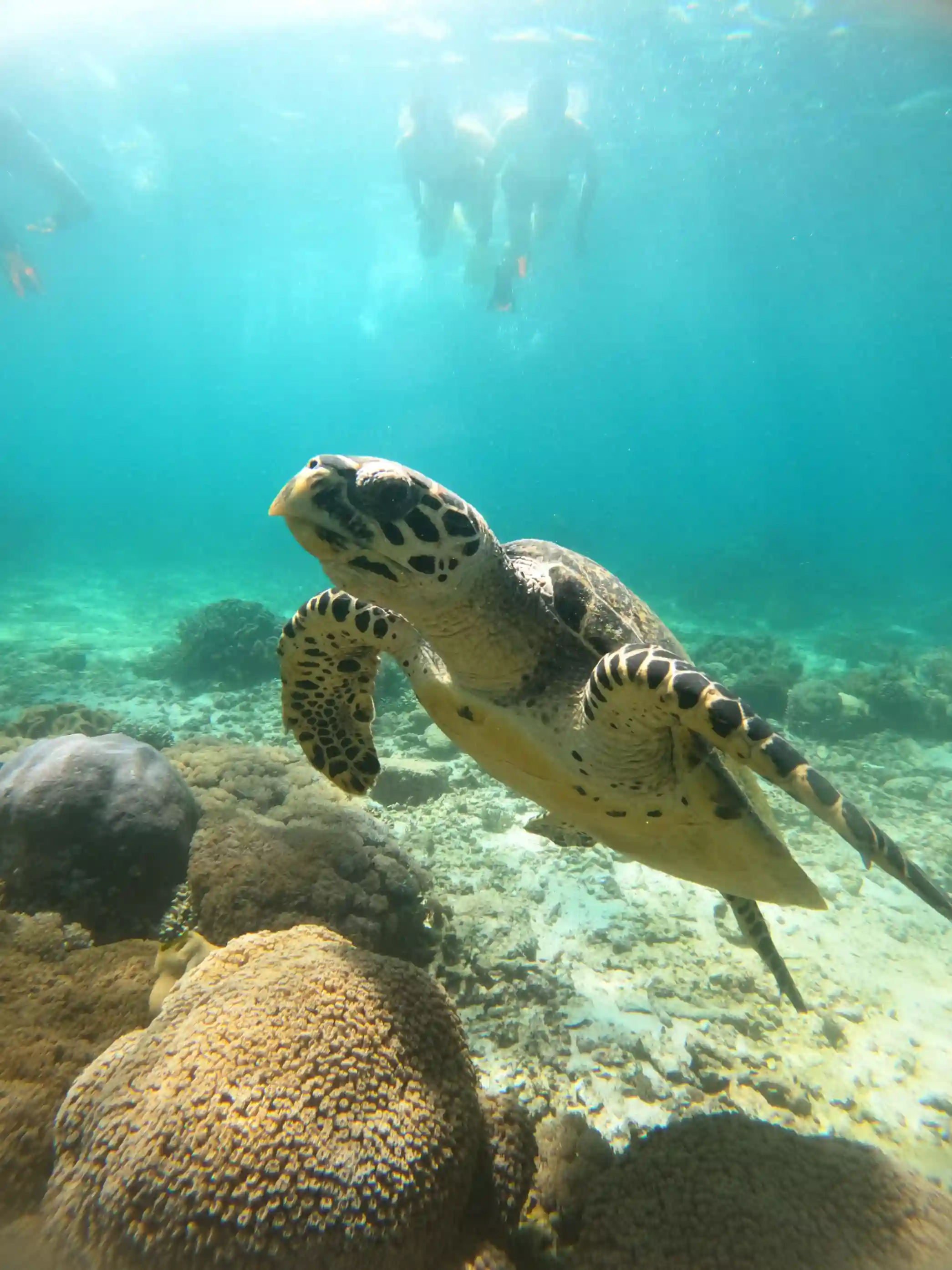
Peak turtle season for both green and hawksbill. Bumphead parrotfish school on sunrise dives at the Bounty Wreck, and reef shark numbers at Shark Point are at their highest.
Shark Point, Bounty Wreck, Turtle Heaven
Shoulder into wet · visibility 20–25 m · 28–30 °C
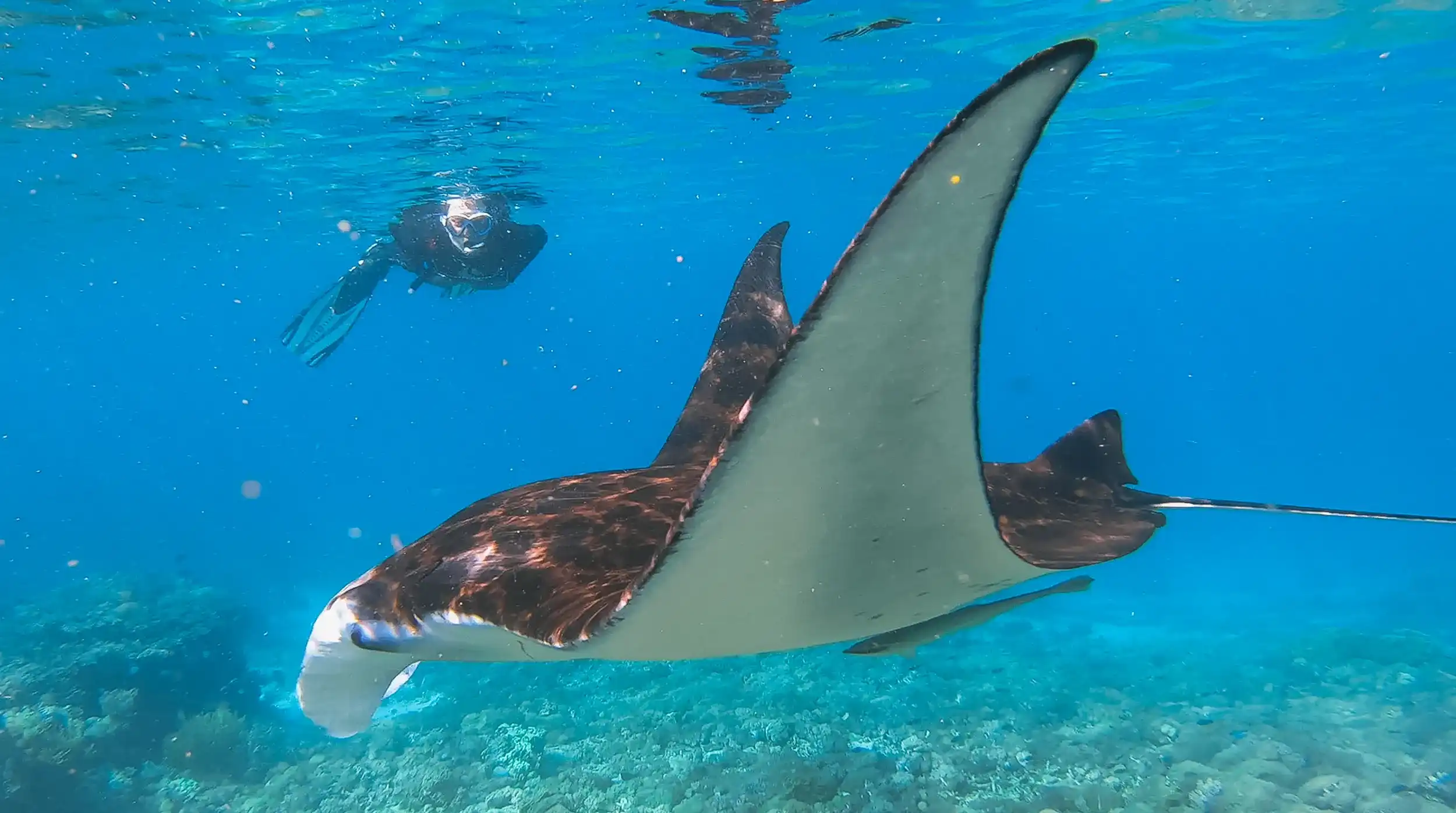
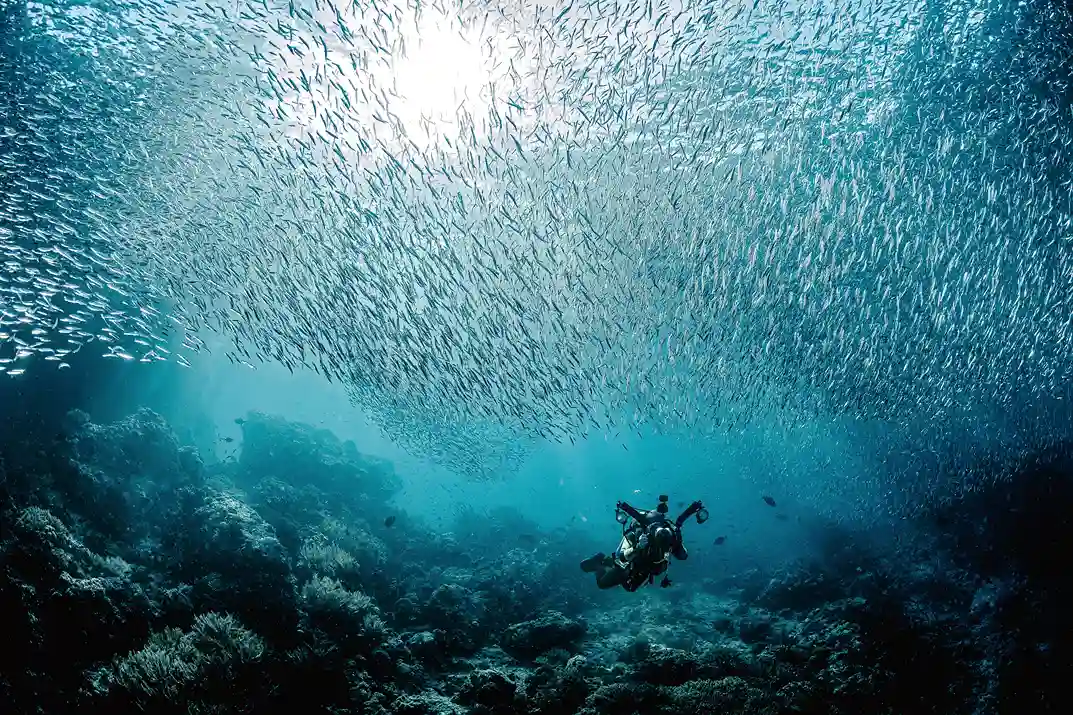
Visibility holds. Plankton blooms start, pulling in filter feeders, and schooling trevally and fusiliers are abundant. Manta season peaks in South Lombok with occasional sightings in the Gilis.
Halik, Meno Slope
Why it shifts
Two wind systems, and almost everything above follows from which one is blowing.
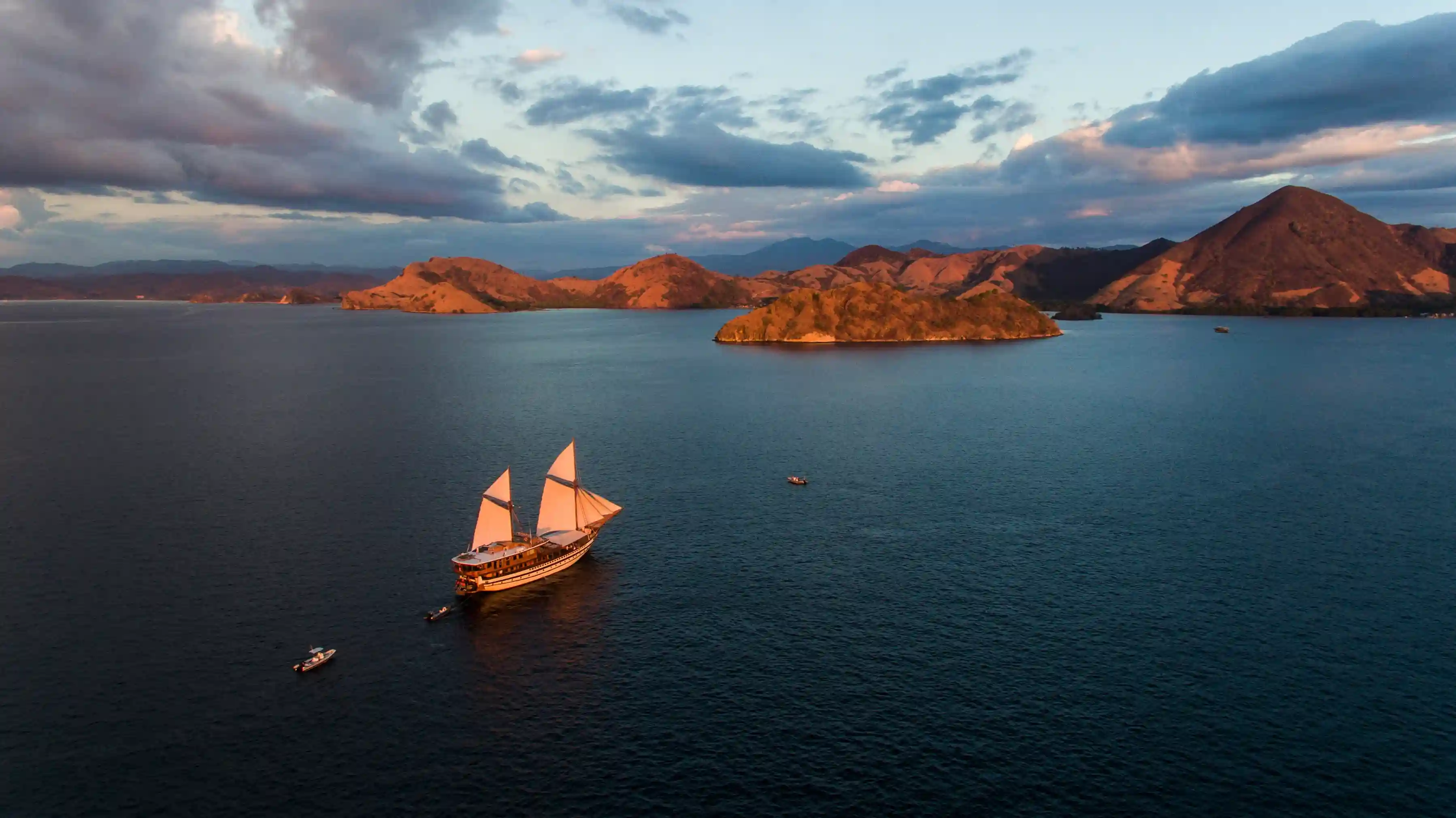
May to October. Dry air off the Australian continent, minimal rain, flat surface. This is where the 25–30 metre visibility comes from.
November to April. Moisture off the Asian landmass, afternoon rain, and runoff that drops inshore visibility to 10–15 metres.
The runoff that clouds the water also feeds it. That is why the wet season is the macro season and the plankton season, not a write-off.
Between 27 and 30 °C all year. A 3 mm suit is right in January and in August — the seasons change what you see, not what you wear.
Offshore sites hold visibility far better than inshore ones during the wet season, so a bad-visibility day is usually a site choice rather than a lost day.
Booking a course
This page is about what is in the water. If you are choosing when to book a certification, the decision also involves instructor availability, how busy the sites are, and what accommodation costs that month — which is a different question with a different answer.
Best time to book a course
Marine life
Nothing underwater is guaranteed, but green and hawksbill turtles are resident here rather than migratory. At Turtle Heaven and Halik most divers see several on a single dive, in any month.
June to September, at Shark Point on the north side of Trawangan. They patrol the slope past 25 metres year round, but dry-season visibility is what makes them easy to spot.
For macro, it is the best time of year. Warmer, nutrient-rich water triggers breeding behaviour in the small species, and January to March is when nudibranchs and pipefish are at their densest.
Occasionally, mostly October to December. Manta season peaks in South Lombok rather than around the islands, so treat a Gili sighting as luck rather than a plan.
April and May, usually following the full moon. It is not predictable to the day and it is not something we can book you onto — but if your dates fall in that window, ask and we will tell you what the moon is doing.
Your month
We dive these sites every day. Tell us your dates and we will tell you what is actually being seen. We reply within four hours during operating hours.
When you are here, and what you are hoping to see.
What our boats have actually been reporting that week.
Which of the twenty sites suit your month best.
Fun dives for certified divers, or a course if you are not yet.