
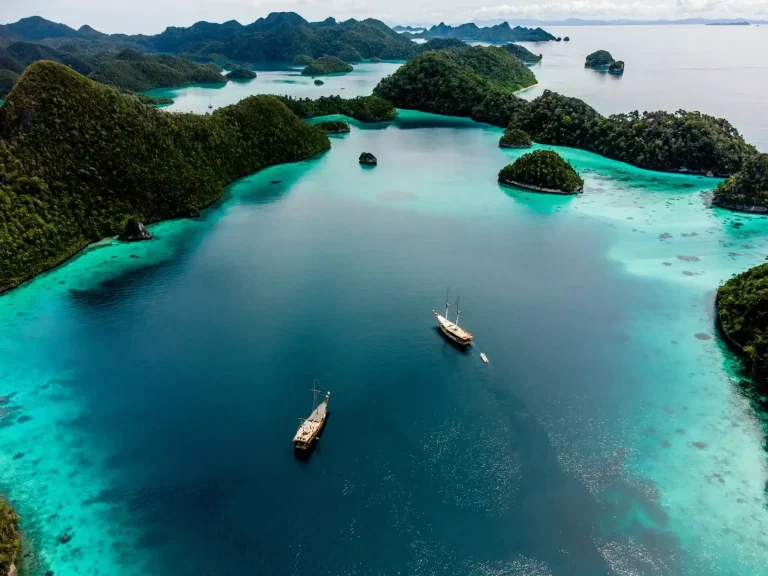
How to Choose a Safe and Reputable PADI Center in Lombok
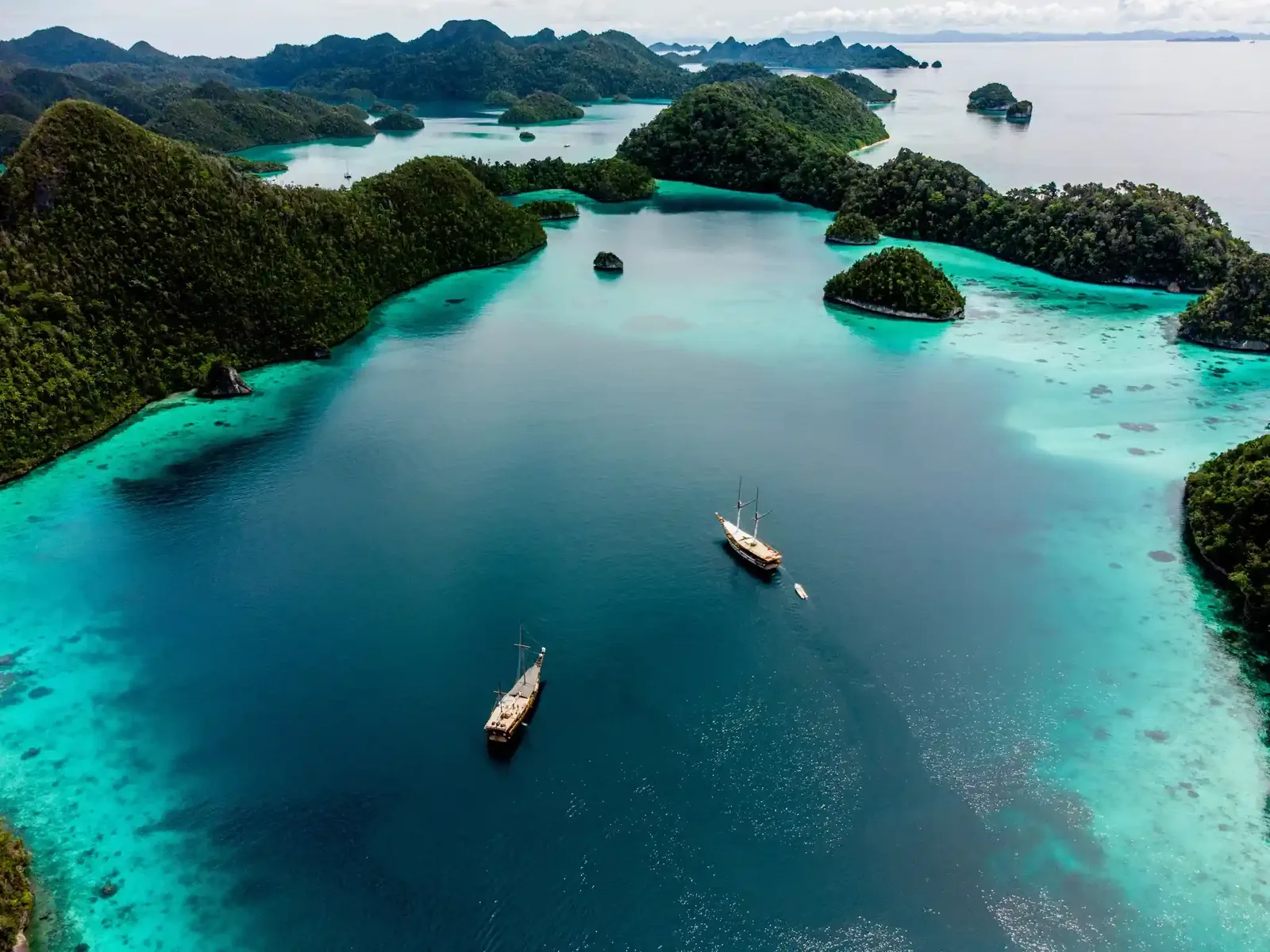
Choosing a safe PADI center in Lombok requires verifying their official PADI affiliation, assessing instructor-to-student ratios, and inspecting their equipment and emergency protocols. A reputable center prioritizes diver safety over volume.
- Confirm the center’s status on the official PADI Dive Shop Locator.
- Inquire about instructor experience and maximum group sizes, which should not exceed 4-6 students per instructor.
- Verify the presence of on-site oxygen and a clear emergency action plan.
The warmth of the equatorial sun settles on your shoulders. The air is a delicate mix of frangipani and salt, carried on a breeze that whispers across the Bali Sea. This is the sensory prelude to your first breath underwater in Lombok, a moment of profound transition. But before you descend into the vibrant, liquid world, a crucial decision awaits on the surface—one that will define the safety, quality, and memory of your entire subaquatic experience. The dive center you choose is not merely a service provider; it is your gateway to the ocean’s depths, and its standards are your lifeline.
Beyond the Brochure: Verifying PADI Credentials and Affiliation
In the world of scuba, the PADI (Professional Association of Diving Instructors) logo is a globally recognized symbol of quality. However, its mere presence on a storefront or boat is not enough. Your first step to choose a safe PADI center in Lombok is to perform digital due diligence. PADI maintains a network of over 6,600 Dive Centers and Resorts worldwide, and each one’s status is publicly verifiable. Use the official PADI Dive Shop Locator tool on their website; this simple search takes less than 60 seconds and provides immediate peace of mind. Look for the center’s name and, crucially, confirm its status is “Active.” This ensures they are up-to-date with PADI’s rigorous standards, insurance, and teaching methodologies. Pay attention to their official rating. A “PADI Dive Center” is the standard, while a “PADI 5 Star Dive Center” indicates a higher level of service and course offerings. The pinnacle is the “PADI 5 Star Instructor Development Center (IDC),” which signifies that the facility is qualified to train instructors, not just divers. This is the highest rating in the PADI system, and centers achieving this status, like our own, are deeply invested in educational excellence and professionalism.
The Human Element: Assessing Instructor Experience and Ratios
A dive center is only as good as its people. While the facility provides the infrastructure, it is the instructor who will guide you, build your confidence, and be responsible for your well-being underwater. I recall a conversation with Antoine Lemaire, a PADI Course Director with over 8,000 dives logged across Indonesia, who told me, “The certification card is plastic, but the knowledge and habits a new diver learns are permanent. They are forged by the instructor.” When evaluating a center, ask specifically about the instructors who will be teaching your course. What is their certification level? You want, at minimum, an Open Water Scuba Instructor (OWSI). More experienced professionals may hold ratings like Master Scuba Diver Trainer (MSDT) or IDC Staff Instructor. Ask how many dives they have logged, and more importantly, how many they have in Lombok’s specific waters. The currents around the Gili Islands, for example, can be complex and require intimate local knowledge. PADI standards mandate a maximum student-to-instructor ratio of 8:1 for in-water training dives, but a top-tier center will never approach this limit for a certification course. We maintain a strict 4:1 ratio, ensuring every student receives personalized attention. This lower ratio, a hallmark of a quality lombok diving course, is a critical safety factor and dramatically improves the learning experience.
A Deep Dive into Equipment and Safety Infrastructure
Your life support system underwater is your equipment. Its condition is non-negotiable. A reputable center will be transparent about its gear and maintenance schedules. Do not be shy; ask to see the equipment room. Regulators and Buoyancy Control Devices (BCDs) should be from well-known manufacturers like Scubapro, Aqua Lung, or Mares. More importantly, ask to see the service logs. Regulators require professional servicing at least once a year, while scuba tanks need an annual visual inspection and a hydrostatic pressure test every five years. A center that cannot produce these records should be avoided. Beyond the dive gear, assess their safety infrastructure. Is there a comprehensive first-aid kit and, critically, an emergency oxygen unit readily accessible on the dive boat? All PADI professionals are trained in its administration, but the equipment must be present and functional. Furthermore, inquire about their Emergency Action Plan (EAP). Where is the nearest medical facility? What is the protocol for a diving-related incident? The only recompression chamber on the island is at the Siloam Hospital in Mataram, approximately 45 kilometers from the main Senggigi tourist area. A professional operation will have this contact information, and a clear plan for transport, integrated into their daily procedures. Investing in a full PADI certification course is an investment in your safety, and the center’s own investment in its gear and protocols is a direct reflection of that.
Reading Between the Lines: Scrutinizing Online Reviews and Testimonials
In the digital age, social proof is a powerful tool. A 2021 industry survey revealed that 77% of consumers ‘always’ or ‘regularly’ read online reviews when browsing for local businesses. For something as specialized as scuba diving, this process is even more critical. However, simply glancing at a five-star rating is insufficient. You must learn to read between the lines. Look for reviews on multiple platforms—Google, TripAdvisor, and PADI Travel—to get a holistic picture. Filter for reviews that specifically mention the course you intend to take, such as the PADI Open Water Diver course. A review from a seasoned diver enjoying a fun dive offers different insights than one from a novice learning the fundamentals. Pay close attention to reviews that name specific instructors and detail their teaching style, patience, and professionalism. Recurring themes are telling; if multiple reviewers over several months praise the condition of the equipment or the thoroughness of the safety briefings, it’s a strong positive signal. Conversely, repeated complaints, even minor ones, can indicate systemic issues. A genuine review often contains specifics: the names of dive sites visited (like Shark Point or Meno Wall), the marine life they encountered, or a particular skill they struggled with and how the instructor provided support. These detailed accounts offer far more value than a generic “had a great time” post.
Location, Location, Location: Proximity to Lombok’s Premier Dive Sites
Lombok is a large and geographically diverse island, covering approximately 4,739 square kilometers. The location of your chosen dive center directly dictates your underwater itinerary and the logistics of your day. The island’s primary diving hubs are concentrated in three main areas. The most famous is the northwest, encompassing the three Gili Islands: Trawangan, Meno, and Air. Centers based in Senggigi or on the Gilis themselves specialize in these sites, known for abundant sea turtles, gentle drift dives, and excellent training conditions. A typical boat ride from the Lombok mainland to these sites is a brief 20-30 minutes. In the southwest, the Sekotong peninsula offers a quieter, more exploratory experience with pristine reefs and a wealth of macro life for underwater photographers. For the truly advanced, Belongas Bay in the south is home to “The Magnet,” an open-ocean pinnacle notorious for challenging currents and the reward of schooling hammerheads and mobula rays. Diving here requires a specialized operator with profound local expertise. The island’s stunning marine biodiversity is a cornerstone of the Coral Triangle, an area that, according to scientific consensus, holds 76% of the world’s coral species. This rich underwater world, praised by Indonesia’s official tourism board, exists in the shadow of Mount Rinjani, whose volcanic geology has shaped the dramatic underwater topography that makes diving here so unique.
Quick FAQ: Your Final Pre-Dive Checklist
What is a fair price for a PADI Open Water course in Lombok?
You should expect to pay between IDR 5,500,000 and IDR 7,500,000 (approximately $350 to $480 USD). This price should be all-inclusive, covering PADI eLearning materials, full equipment rental for the duration of the course, four ocean dives, certification processing fees, and transport to local dive sites. Be wary of unusually low prices, as they may indicate compromises in equipment, group size, or have hidden costs like logbooks or park fees.
Do I need my own dive insurance?
Yes, absolutely. This is non-negotiable. Any reputable dive center will require you to have specific dive insurance. Standard travel insurance often excludes scuba diving. We recommend coverage from the Divers Alert Network (DAN), which offers excellent short-term plans for travelers starting from around $40 USD that cover all diving-related medical expenses, including hyperbaric treatment.
What is the best time of year to dive in Lombok?
The prime diving season aligns with Lombok’s dry season, from May through September. During these months, you can expect the best visibility, often exceeding 25 meters, along with calmer sea conditions. While diving is possible year-round, the rainy season (typically November to March) can bring surface chop and reduce visibility to a 10-15 meter range.
Can I try diving before committing to a full course?
Certainly. If you’re feeling apprehensive, a quality center will recommend the PADI Discover Scuba Diving (DSD) program. This is a half-day experience, typically costing around IDR 1,200,000, that introduces you to the basic skills in a controlled environment (like a pool or calm bay) before taking you on one shallow ocean dive. It’s a superb way to build confidence before enrolling in a complete PADI Open Water certification.
Ultimately, selecting a dive center is an act of trust. You are placing your safety and education in their hands. The time spent on research—verifying credentials, questioning instructors, inspecting gear, and reading reviews—is the most valuable investment you can make in your diving journey. It’s the difference between simply getting certified and becoming a confident, competent, and safe diver for life. At Lombok Diving Course, we embody these principles of safety, expertise, and personalized instruction. Our PADI 5 Star rating is not just a plaque on the wall; it’s a daily commitment to our divers. When you are ready to explore the world beneath the waves with confidence, we invite you to review our comprehensive lombok diving course offerings and begin your adventure with a team dedicated to excellence.
Keep Reading
Diving History Lombok 2027: A Journey Through Time and Innovation
Lombok’s diving history in 2027 is a rich of innovation and tradition, showcasing significant developments in diving techniques and environmental awareness. The…
Exploring Lombok’s Underwater Ecosystems in 2027: A Diver’s Guide
In 2027, divers can explore Lombok’s underwater ecosystems teeming with diverse marine life and vibrant aquatic habitats. From coral reefs to unique…
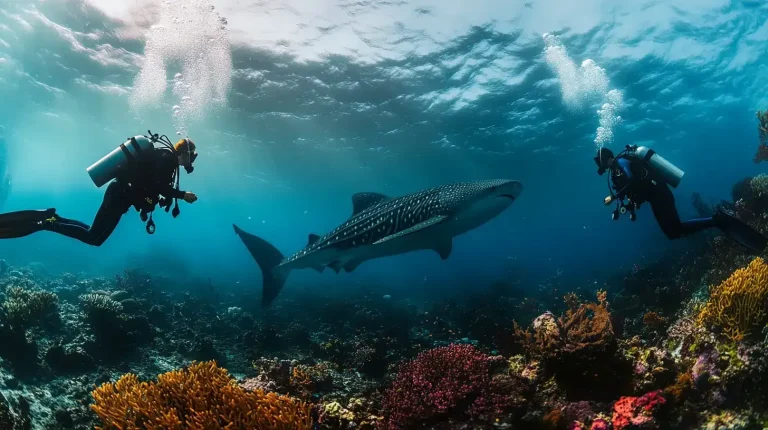
Understanding Lombok’s Ocean Currents for Divers in 2027
In 2027, understanding Lombok’s ocean currents is crucial for safe and enjoyable diving experiences. These currents influence dive conditions and marine life…