
Lombok vs. Gili Islands: Which Is Best for a PADI Course?
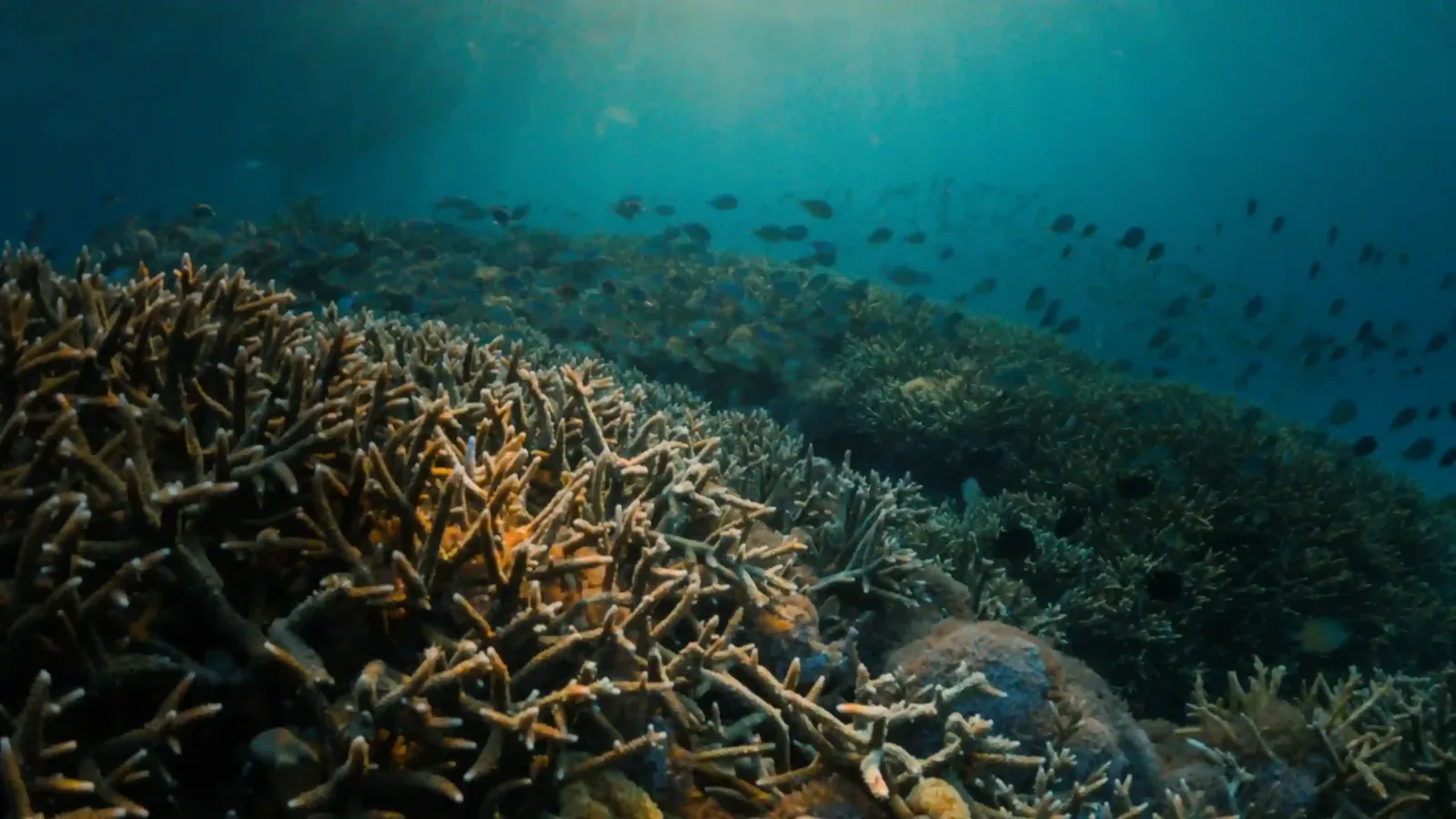
- Lombok presents more diverse dive sites, from macro-rich bays to challenging deep-water pinnacles.
- It provides access to upscale accommodations and a richer cultural landscape beyond the dive boat.
- The training environments are typically less crowded, allowing for more personalized instruction.
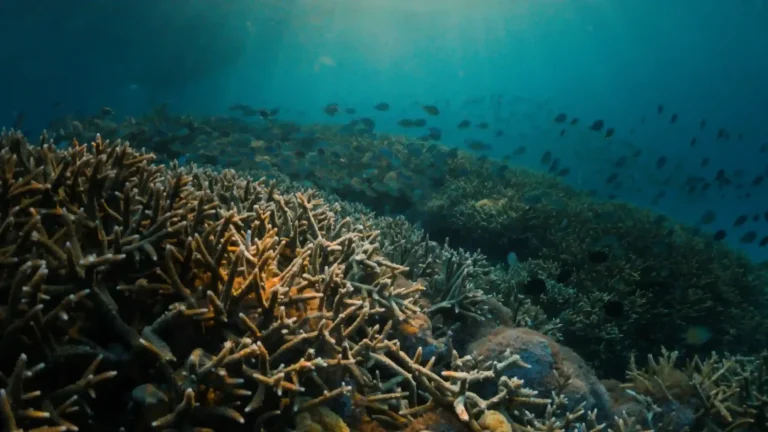
The air is thick with the scent of salt and clove, a uniquely Indonesian perfume. Below, the turquoise water shifts to a deep, promising sapphire as the gentle slope of the sea floor falls away. From the bow of the boat, you can see both: to the port side, the lush, volcanic silhouette of mainland Lombok, its peaks shrouded in a soft morning haze; to starboard, the three tiny, sun-drenched Gili Islands, fringed with white sand and buzzing with an energy you can almost feel across the strait. This is the Lombok Strait, a deep-water channel that serves as a major passage for marine life and, for the aspiring diver, a point of decision. The question isn’t whether to dive here—the Coral Triangle’s biodiversity makes that a foregone conclusion—but where to take the plunge into your PADI certification. It’s a choice between two distinct, yet geographically close, worlds.
The Diver’s Dilemma: Choosing Your Classroom
The decision between Lombok and the Gili Islands for your PADI course is less about geography and more about philosophy. The Gilis, a trio of islets just a 20-minute fast boat ride from Lombok’s Teluk Nare harbor, have built a global reputation as a diver’s paradise, particularly for those on a budget or seeking a vibrant social scene. Gili Trawangan, the largest, is the unapologetic party hub; Gili Meno offers tranquility; and Gili Air strikes a balance between the two. For decades, they were the default answer for diving in this region. However, as Jean-Luc Bresson, a veteran dive instructor I first met in the Red Sea over a decade ago, explained to me over a satay dinner in Senggigi, “The Gilis are fantastic, but they offer one very specific, concentrated experience. It’s like only ever visiting Paris and saying you’ve seen France.”
Mainland Lombok, by contrast, presents a more expansive and nuanced canvas. Its coastline stretches for over 250 kilometers, offering a staggering variety of underwater topographies and experiences. The development here, especially in the south around Kuta and along the western Senggigi coast, has skewed towards a more refined, luxury-oriented traveler. This means the infrastructure supporting dive education—the resorts, the restaurants, the transport—operates at a different caliber. The choice, therefore, becomes one of immersion. Do you want to be in a dedicated, 24/7 dive bubble, or do you want your underwater education to be one component of a richer, more varied luxury travel experience? The answer will fundamentally shape not just your PADI course, but your entire memory of Indonesia.
Dive Site Diversity and Training Grounds
When evaluating where is best for a PADI course in Lombok, the variety and quality of the training grounds are paramount. The Gili Islands are encircled by approximately 25 dive sites, most of which are a mere 5 to 15-minute boat ride from shore. This convenience is their greatest asset. Sites like Turtle Heaven and Shark Point are reliable for encounters with green sea turtles and whitetip reef sharks, making for exciting first dives. However, the sheer volume of divers—on a busy day, over 100 dive boats can be operating in this small 3-square-kilometer area—can lead to crowded conditions underwater. For a student learning foundational skills like neutral buoyancy, navigating through groups of other divers can be distracting and counterproductive.
Lombok, on the other hand, offers a portfolio of dive regions. In the southwest, the “Secret Gilis” of Sekotong Bay feature over 20 pristine, rarely visited sites celebrated for their vibrant soft corals and superb macro life—perfect for a PADI Advanced course focused on underwater photography. To the north, the coastline directly facing the main Gili Islands provides similar marine life but is accessed by far fewer boats, offering a more serene learning environment. Then there is the legendary Belongas Bay in the southeast, known to seasoned divers as “The Hammerhead Capital.” While its challenging currents and deep pinnacles are reserved for experienced divers, its existence speaks to the sheer scale and potential of Lombok’s underwater offerings. As my instructor contact Matteo Rossi puts it, “We start students in the calm, protected bays of the north-west coast. They can master their skills without pressure. Then, as they progress, a whole continent of diving opens up to them without ever leaving the island. The Gilis are the appetizer; Lombok is the entire feast.” This progression is essential for anyone serious about a comprehensive lombok diving course.
The Gili Islands: A Concentrated Dive Mecca
To be clear, the Gili Islands’ popularity is well-earned. For many, they represent an idyllic version of a tropical escape. The complete absence of motorized vehicles, as noted by Indonesia’s official tourism board, creates a unique, slowed-down atmosphere where bicycles and horse-drawn carts, or cidomos, are the primary modes of transport. This environment fosters a tight-knit community feel, and the social aspect is a major draw. Finishing a day of diving and immediately gathering with your instructor and fellow students at a beachfront bar is a quintessential Gili experience.
The dive industry here is a well-oiled machine. Dozens of dive centers line the main beach strips, offering competitive pricing for PADI courses, often starting as low as 5,500,000 IDR (approx. $350 USD). The proximity of sites like the Gili Meno statues or the Bounty Wreck off Gili Trawangan means less time on the boat and more time in the water. This high-volume, high-convenience model is incredibly efficient and has introduced millions of people to the underwater world. However, this efficiency can sometimes come at the cost of personalization. Class sizes can push the PADI maximum of eight students to one instructor, and the pace can feel relentless. It’s a system designed for accessibility and throughput, which is perfect for a young solo traveler on a tight schedule, but perhaps less so for a family or couple seeking a more tailored and relaxed educational journey.
Beyond the BCD: Accommodation and Atmosphere
Your choice of destination profoundly impacts your time out of the water, which, even on an intensive course, is more than 20 hours a day. The Gili Islands offer a range of charming bungalows, boutique hotels, and eco-resorts. The vibe is barefoot-casual; evenings are about beach bonfires, live music, and communal dinners. It is immersive and social, but luxury, in the traditional sense of expansive space, privacy, and impeccable service, is harder to find.
Mainland Lombok operates on a different scale. Here, your PADI course can be based out of a world-class luxury resort like The Oberoi or a private cliffside villa overlooking the Senggigi coastline. You can spend your mornings mastering dive theory by a private pool and your afternoons practicing skills in the ocean, returning for a gourmet meal and a quiet evening. This integration of high-end hospitality with dive training is where Lombok truly distinguishes itself. Furthermore, the mainland offers a rich cultural tapestry that the Gilis lack. You can spend a surface day trekking through the foothills of Mount Rinjani, a volcano so significant it’s recognized as part of the UNESCO Global Geoparks Network, or visiting traditional Sasak weaving villages. This ability to pair your underwater adventure with authentic cultural and terrestrial exploration makes for a far more holistic and enriching travel experience. It transforms a simple certification course into a cornerstone of a grander Indonesian journey.
The Quality of Instruction: Finding the Right Fit
Ultimately, the quality of a PADI course hinges on the quality of the instructor and the learning environment they cultivate. While excellent, passionate instructors work in both locations, the operational models of the dive centers can dictate the experience. In the high-volume environment of the Gili Islands, instructors may teach back-to-back courses, managing large groups and tight schedules. The focus can, by necessity, be on meeting the minimum PADI standards efficiently.
On Lombok, particularly with operators that partner with luxury resorts, the model is one of high-touch service. Here, the experience is often private or semi-private. An instructor might be dedicated to just you, your partner, or your family for the entire duration of the course. This allows for a flexible schedule—perhaps you prefer to dive in the afternoons—and a curriculum tailored to your specific anxieties or ambitions. If you struggle with mask clearing, your instructor has the time and patience to work on it for an hour in a quiet bay. If you show a keen interest in fish identification, they can adapt the dives to focus on that. This personalized approach is the hallmark of a premium lombok diving course. It ensures not just that you pass the test, but that you emerge as a confident, competent, and truly comfortable diver, ready to explore the 71% of our planet that lies underwater. This is what makes it the best choice for a PADI course in the Lombok region for the discerning traveler.
Quick FAQ: Your PADI Course Questions Answered
How long does a PADI Open Water Diver course typically take?
The PADI Open Water Diver course, the world’s most popular scuba certification, generally takes 3 to 4 days. This includes knowledge development (theory, which can be done online via PADI eLearning to save time), confined water dives in a pool or calm bay to practice skills, and four open water dives to apply what you’ve learned.
Is Lombok or the Gilis better for seeing marine megafauna?
For guaranteed turtle sightings, the Gili Islands—specifically Gili Trawangan and Gili Meno—are unparalleled. However, for a chance at larger pelagics like sharks (including seasonal hammerheads), rays, and large schools of fish, the more advanced and diverse sites off mainland Lombok, such as those in Belongas Bay, offer far greater potential.
What is the best time of year to get certified in this region?
The dry season, running from May through October, is the ideal time. During these months, you’ll experience the calmest seas, the least rainfall, and the best underwater visibility, which can often exceed 25 meters. Water temperature remains a consistent and pleasant 27-29°C (81-84°F) year-round.
Can I start my training before I arrive in Indonesia?
Absolutely. PADI’s eLearning program allows you to complete the entire knowledge development portion of the course online at your own pace. This is an excellent option that saves approximately 8-10 hours of classroom time, freeing up more of your valuable holiday for diving and exploring.
While the Gili Islands offer a fun, accessible, and intensely social path to PADI certification, they are but one chapter in the region’s story. For the traveler who seeks not just a certification card but a truly formative experience—one marked by personalized instruction, unparalleled diversity, and the quiet luxury of space and choice—mainland Lombok is the undeniable answer. The decision reflects a preference for a bespoke suit over one off the rack; both will serve their purpose, but only one is crafted perfectly for you. It’s about choosing a classroom that is as vast and full of potential as the ocean itself.
For the discerning traveler, the decision is clear. It’s not just about getting certified; it’s about the journey. To begin crafting your bespoke underwater education, explore our premier lombok diving course offerings and let us show you a side of Indonesia’s underwater world that few get to see.
Keep Reading
Diving History Lombok 2027: A Journey Through Time and Innovation
Lombok’s diving history in 2027 is a rich of innovation and tradition, showcasing significant developments in diving techniques and environmental awareness. The…
Exploring Lombok’s Underwater Ecosystems in 2027: A Diver’s Guide
In 2027, divers can explore Lombok’s underwater ecosystems teeming with diverse marine life and vibrant aquatic habitats. From coral reefs to unique…
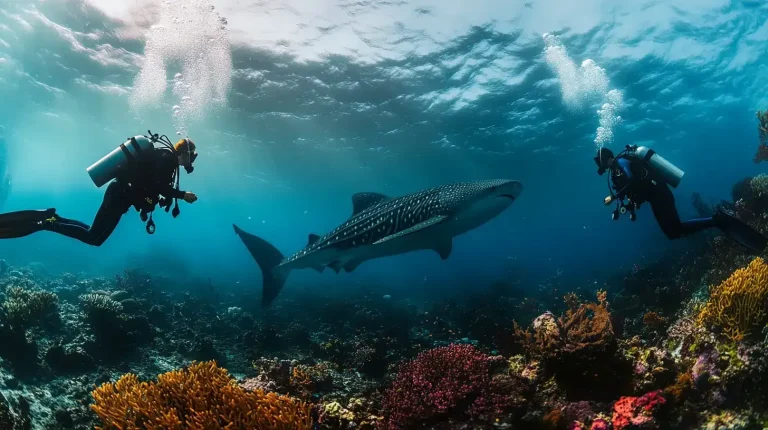
Understanding Lombok’s Ocean Currents for Divers in 2027
In 2027, understanding Lombok’s ocean currents is crucial for safe and enjoyable diving experiences. These currents influence dive conditions and marine life…